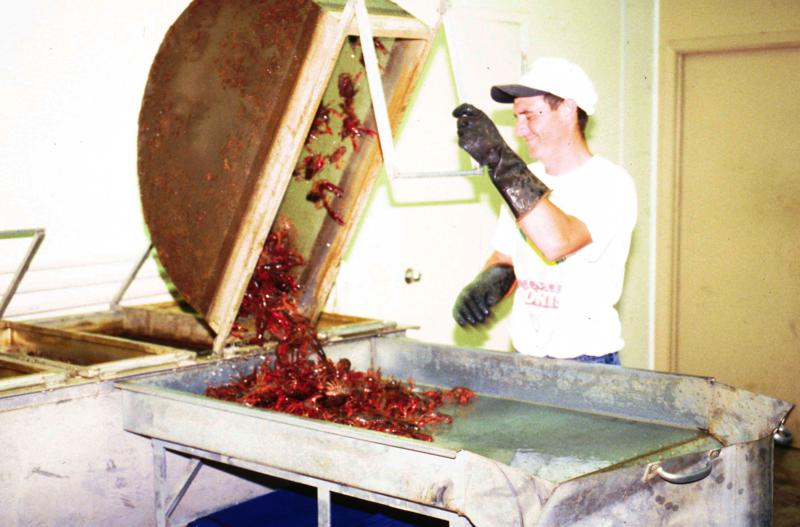
The crawfish processing industry in Louisiana is suffering from a severe shortage of foreign labor, jeopardizing the sustainability of this vital sector that heavily relies on such labor. Crawfish is an essential part of the local culture and cuisine, with the state's production valued at millions of dollars annually.
Images captured at crawfish processing sites illustrate how the labor shortage has impacted daily operations. Local workers are making efforts to compensate for the shortfall, but they face significant challenges in meeting the growing demand for this product.
Details of the Situation
Louisiana is one of the largest producers of crawfish in the United States, accounting for approximately 90% of the national production. However, the shortage of foreign labor, exacerbated by immigration restrictions and economic policies, has significantly affected the industry's ability to operate efficiently.
Many business owners indicate that local labor is unable to meet market demands, leading to rising prices and declining product quality. This situation signals greater challenges ahead if urgent measures are not taken to address the labor shortage.
Background & Context
Historically, Louisiana's crawfish industry has depended on foreign labor, particularly from countries like Mexico and Honduras. With increasing immigration restrictions in recent years, it has become difficult for this industry to attract the necessary workforce. This shortage is part of a broader trend affecting many American industries that are experiencing a lack of skilled labor.
In recent years, the United States has witnessed significant changes in the labor market, with increased competition among industries to attract workers. This has led to rising wages in some sectors, prompting some workers to prefer transitioning to other fields.
Impact & Consequences
The consequences of the foreign labor shortage in Louisiana's crawfish industry are multifaceted. Firstly, this shortage may lead to price increases, affecting local consumers and reducing the product's competitiveness in foreign markets. Secondly, this situation could result in the loss of many small and medium-sized businesses that rely on foreign labor, leading to job losses in local communities.
Moreover, this crisis may deter investments in the crawfish processing sector, as investors may hesitate to inject funds into an industry facing labor shortages and instability. This could have a broader impact on the local economy.
Regional Significance
Although this news pertains to a local industry in the United States, it has implications that could reach the Arab region. Foreign labor is a crucial component of many industries in Arab countries, such as construction and agriculture. Therefore, any changes in immigration policies or labor markets in Western countries could affect the flow of labor to Arab nations.
Furthermore, Louisiana's experience could serve as a lesson for Arab countries on how to manage the labor market and reliance on foreign labor, prompting a reevaluation of strategies to attract and retain skilled workers.