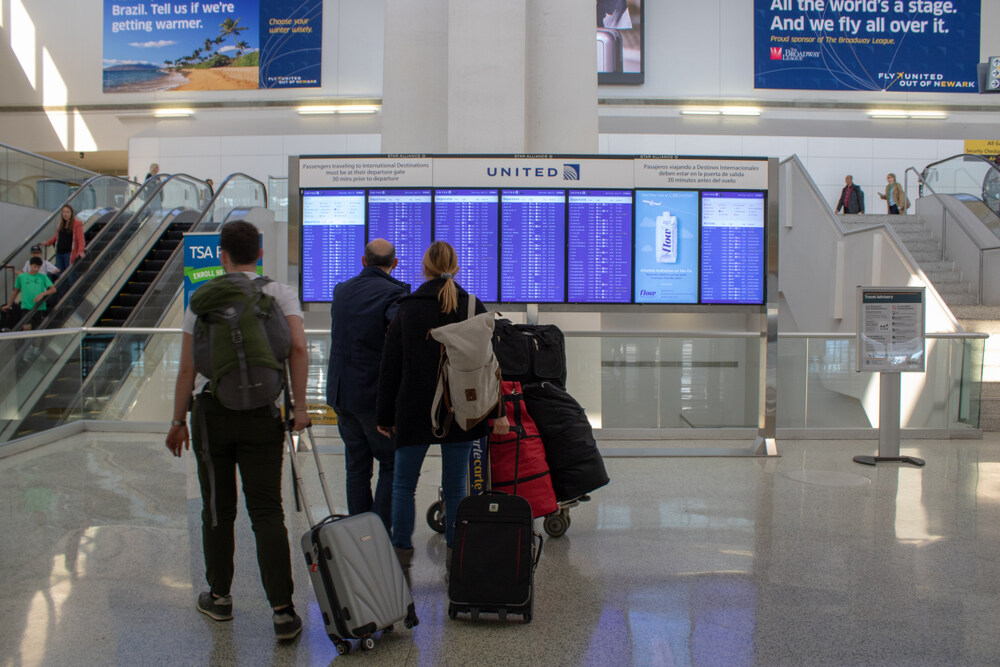
Scott Kirby, the CEO of United Airlines, has unveiled the significant challenges currently confronting the aviation industry, affirming that the demand for travel remains strong despite the difficulties stemming from rising oil prices and lengthy security lines at airports.
In an interview with Lisa Abramowicz on Bloomberg's "Open Interest" program, Kirby pointed out that the aviation sector is experiencing a phase of uncertainty, where economic and political factors contribute to creating a complex environment affecting air transport operations.
Event Details
Kirby confirmed that the demand for air travel is still high, reflecting people's desire to resume their normal lives following the COVID-19 pandemic. However, the challenges facing companies like United Airlines are increasing, as travelers are experiencing long security lines at airports, causing significant frustration.
He also noted that rising oil prices directly impact operating costs, which could lead to increased airfare. These factors make it difficult for airlines to adapt to changing market demands.
Background & Context
Historically, the aviation industry has witnessed significant fluctuations in demand and prices, especially during times of economic crises. After the COVID-19 pandemic, airlines began to recover, but they faced new challenges related to operational costs and rising fuel prices.
In recent years, oil prices have seen a notable increase, affecting all economic sectors, including air transport. Companies that rely on fuel as a primary component of their operating costs find themselves in a tough position, necessitating a reevaluation of their strategies.
Impact & Consequences
These challenges affect the aviation industry as a whole, where companies may be forced to raise ticket prices, potentially leading to a decline in demand. This situation could impact the economy broadly, as many sectors depend on air transport.
Additionally, long security lines at airports can result in uncomfortable travel experiences, prompting travelers to seek alternative options, such as traveling by car or train, which could affect overall air traffic.
Regional Significance
The aviation industry in the Arab region is considered vital, playing an important role in connecting countries and boosting tourism. With the challenges faced by global airlines, Arab airlines may also be affected by rising oil prices and long security lines.
If these challenges persist, they could impact the growth and expansion plans that airlines in the region are pursuing, requiring them to take proactive measures to adapt to changing conditions.
In conclusion, the aviation industry remains in a state of uncertainty, as companies must navigate increasing challenges while travelers seek smoother and more comfortable travel experiences.