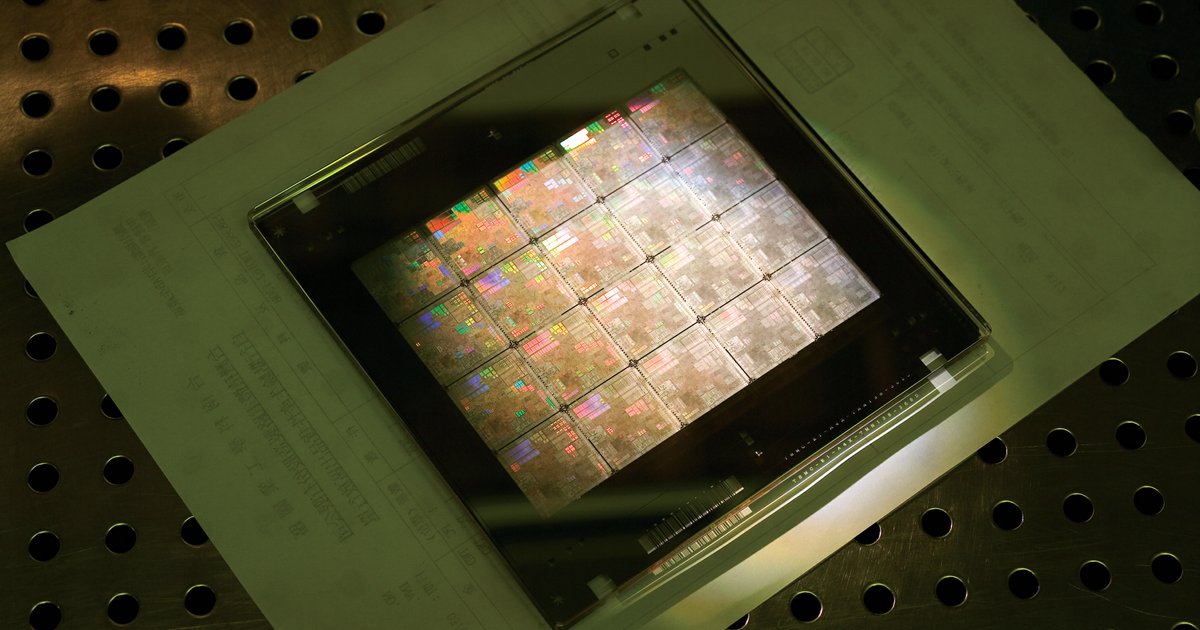
The semiconductor industry is facing increasing challenges as demand for artificial intelligence rises, with advanced packaging processes, mainly conducted in Taiwan, becoming the next bottleneck. Nvidia, a leading company in this field, has secured most of the available advanced packaging capacity at Taiwan's TSMC, highlighting the importance of this process in chip production.
Advanced packaging is a critical step in semiconductor manufacturing, as it involves placing each chip in a structure that enables interaction with the external world. However, this process is primarily carried out in Asia, raising concerns about potential production capacity shortages.
Event Details
Paul Russo, head of packaging solutions at TSMC North America, reported that figures related to advanced packaging capacity are growing significantly, with an annual growth rate of 80%. Nvidia has booked the majority of this capacity, positioning itself strongly in the AI market. Meanwhile, Intel, a key competitor, is working to enhance its capabilities in this area through partnerships with companies like Amazon and Cisco.
Currently, TSMC is building two new factories in Arizona, which will help reduce the time it takes to transport chips between the United States and Asia. This development could improve production efficiency and enhance the ability of American companies to compete in the global market.
Background & Context
Over the past decades, packaging has been considered a secondary step in semiconductor manufacturing. However, as chips become increasingly complex due to advancements in artificial intelligence, this process has become critically important. In recent years, advanced packaging methods have been developed that allow multiple chips to be integrated into a single die, enhancing performance and efficiency.
TSMC is a leader in this field, having developed technologies such as CoWoS, which enables the integration of high-bandwidth memory chips with graphics processing units. However, the rising demand for these technologies is placing significant pressure on global supply chains.
Impact & Consequences
Concerns are growing that a lack of production capacity in the packaging process could lead to delays in producing the chips necessary to meet the increasing demand for AI applications. Companies relying on these technologies may face challenges in meeting their customers' needs, which could impact their growth in the future.
Furthermore, enhancing production capabilities in the United States could help reduce reliance on Asian supply chains, thereby strengthening the economic and technological security of the United States.
Regional Significance
As Arab countries strive to enhance their technological capabilities, developments in the semiconductor industry may influence their strategies in this field. Partnerships with global companies could provide new opportunities for investment and development in the technology sector.
In conclusion, this challenge represents an opportunity for innovation and growth in the technology industry, as Arab countries can leverage these shifts to enhance their positions in the global market.