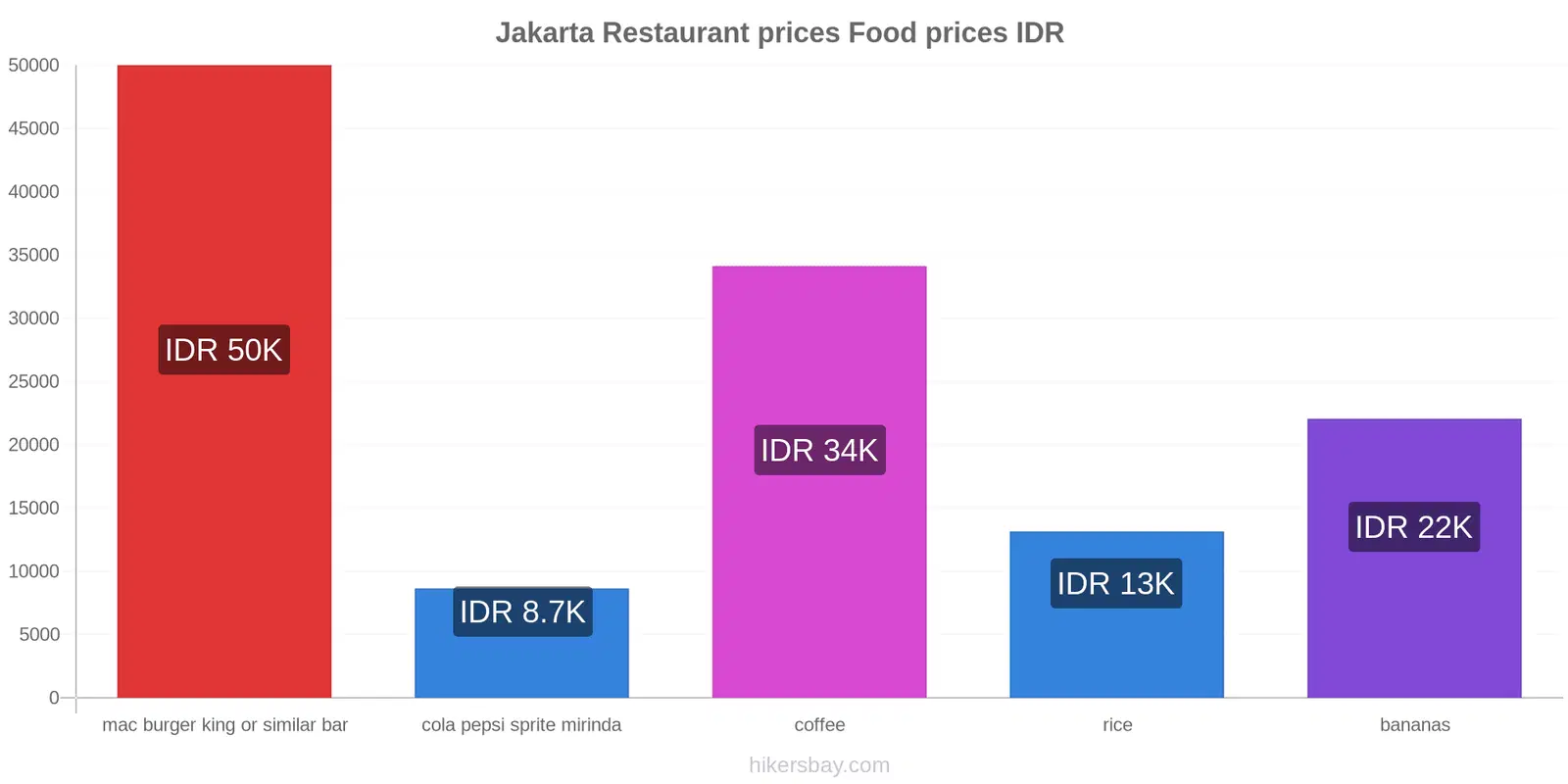
In light of the current economic tensions, Jakarta Governor Anies Baswedan called on citizens to remain calm regarding the increase in food prices, noting that the stock of essential goods is still adequate. This statement was made during a press conference in central Jakarta on Monday, where he confirmed that the local government is monitoring commodity prices daily.
Despite the noticeable rise in prices of certain products, including plastic goods, Baswedan assured that the overall inflation situation in Jakarta remains under control. He explained that the government is taking necessary measures to ensure price stability in the market.
Details of the Situation
According to reports from the Indonesian Market Traders Association (IKAPPI), plastic prices have surged by up to 50% compared to normal prices. The association's Secretary General, Renaldi Sarijuan, indicated that this increase began on February 28, 2026, when plastic prices were around 10,000 rupiah before Ramadan, but have risen by 500 to 700 rupiah in the past week.
This price increase may exert additional pressure on traders, potentially prompting them to adjust prices of other goods to cover rising costs. Sarijuan confirmed that this price hike is partly due to the closure of the Strait of Hormuz, a major route for supplying raw plastic materials.
Background & Context
Indonesia is one of the countries that heavily relies on imports to meet its food and raw material needs. In recent years, the country has experienced price fluctuations due to geopolitical tensions, particularly in the Middle East. These tensions directly impact food supply chains, including soybeans, which in turn affects local product prices such as tofu and tempeh.
Historically, Indonesia has faced food crises due to rising prices, leading to increased poverty and social instability. Therefore, the Indonesian government is striving to ensure price stability and protect citizens from the effects of inflation.
Impact & Consequences
This price increase underscores the importance of enhancing food security in Indonesia. If this trend continues for an extended period, it could exacerbate the economic conditions for citizens, increasing social and political pressures. The government is expected to take urgent steps to address these challenges, including supporting traders and farmers.
Moreover, this price surge may affect local consumption, potentially leading to a decline in economic growth. Thus, the government is called upon to find effective solutions to ensure market stability.
Regional Significance
Indonesia maintains strong trade relations with Arab countries, importing many food products from these nations. Therefore, any price increase in Indonesia could impact the Arab market, especially given the growing reliance on imports.
In the current situation, Arab countries should monitor price developments in Indonesia, as any fluctuations could affect the stability of local markets.