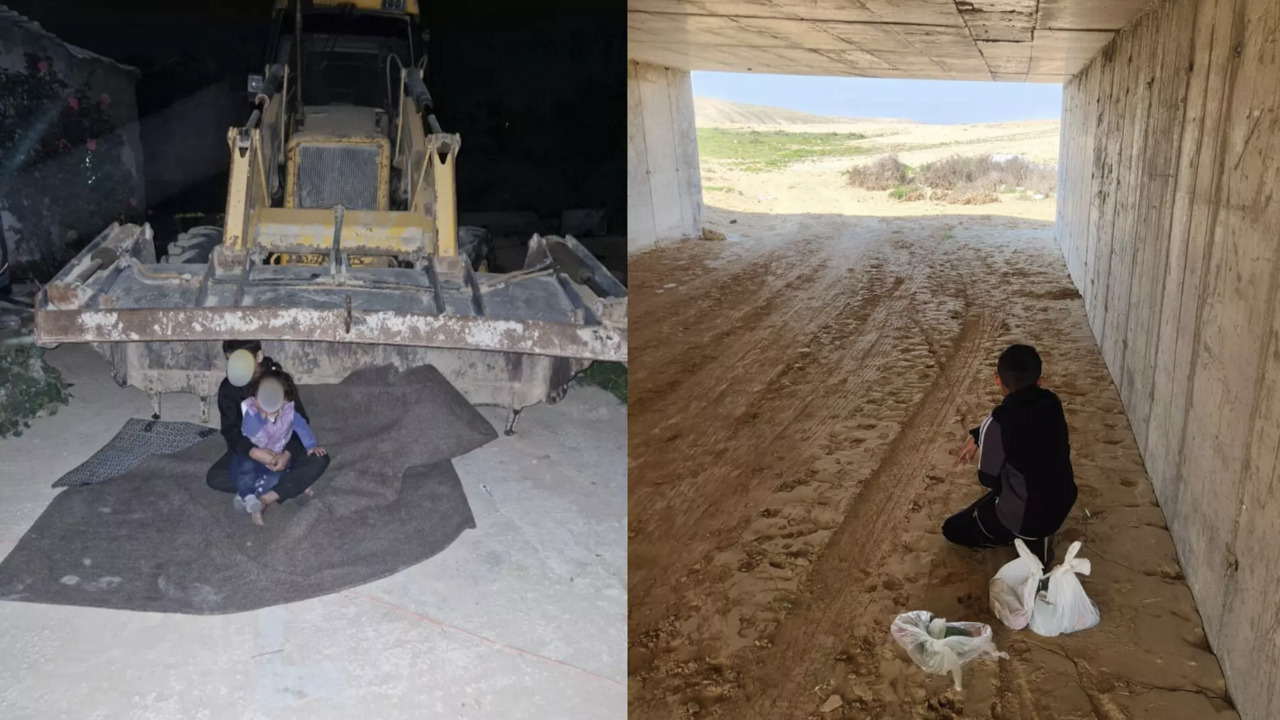
The Bedouins living in the Negev desert are under constant threat due to a lack of rocket shelters, with approximately 65% of them lacking safe places to protect themselves from increasing attacks. While Israelis seek refuge in their shelters, the Bedouins find themselves with no options, heightening their fears amid rising regional tensions.
Attacks on Israel from Iran and Hezbollah are increasing, forcing residents to return to public shelters or fortified rooms within their homes. However, the Bedouins, estimated to number around 300,000, do not have the same options available to the rest of the population. According to a report from the Union Research Center, 65% of Bedouins do not own private shelters, reflecting discrimination in planning policies.
Details of the Situation
Reports indicate that Bedouins are suffering from a severe shortage of shelters. Chloe Porto, an international advocacy officer at the Negev Coexistence Forum, highlights the significant gap between the number of shelters in Bedouin communities and Jewish communities. For instance, in the city of Rahat, there is one shelter for every 16,600 residents, while in the nearby city of Ofakim, there is one shelter for every 273 residents.
The problem is exacerbated in the Bedouin education system, which requires 400 shelters within schools to meet safety standards. The Israeli State Comptroller has noted that the lack of safe spaces in Bedouin communities is critical.
Background & Context
Historically, Bedouin communities have suffered from discrimination and neglect, with over 80,000 Bedouins living in 35 unrecognized villages, depriving them of essential services. These villages face a lack of infrastructure, making it difficult for residents to build their own shelters.
On October 7, 2023, seven Bedouins were killed by rockets launched by Hamas from Gaza, highlighting the dangers faced by these communities. Additionally, a child was seriously injured in April 2024 as a result of an Iranian attack.
Impact & Consequences
These protection gaps affect all Arab citizens in Israel, as a report from the Israeli State Audit Office revealed that 46% of Arab citizens do not receive adequate protection. This situation reflects the challenges faced by Arab communities amid rising regional tensions.
NGOs are striving to provide more protection, with the organization “Together We Stand” launching a fundraising campaign to finance temporary shelters. They have successfully raised over half a million shekels to install new shelters, although this is insufficient to meet the needs of all residents.
Regional Significance
This issue exemplifies the challenges facing Arab communities in Israel, reflecting gaps in protection and discrimination in government policies. These conditions require an urgent response from the government to ensure the safety of all citizens without discrimination.
In conclusion, the Israeli government must take effective steps to protect all citizens, including Bedouin communities, to ensure they are not endangered during times of crisis.