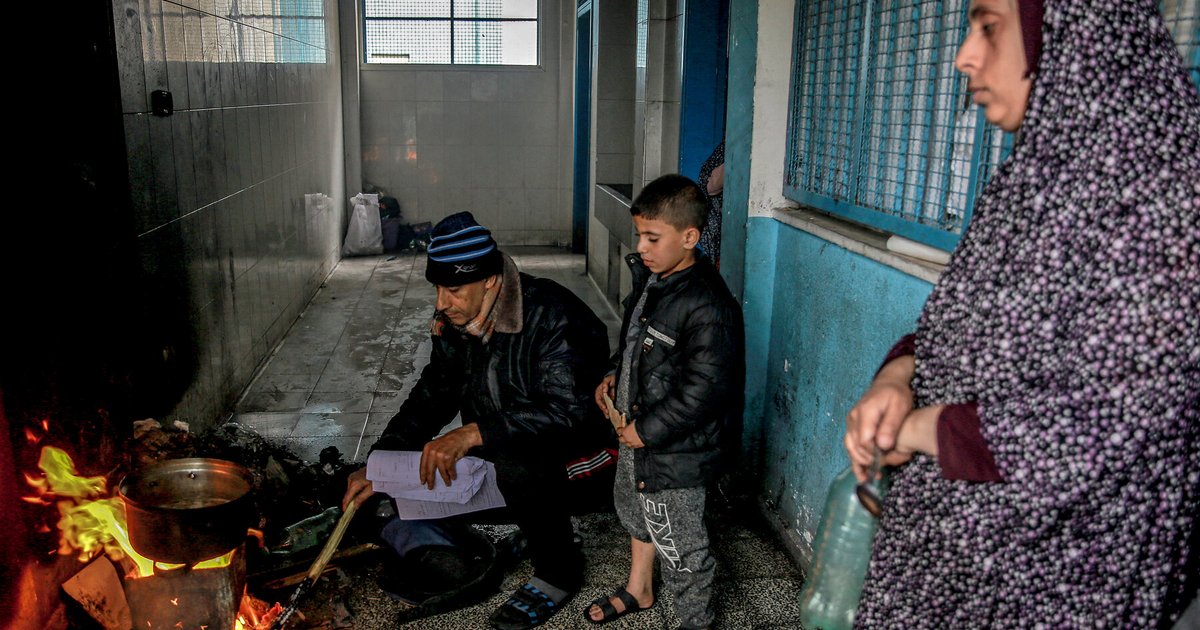
Displaced individuals in Gaza are living under harsh living conditions, with their suffering exacerbated more than six months after the ceasefire between Hamas and Israel came into effect. These displaced people are facing multiple challenges, with the invasion of rodents and insects into their tattered tents topping the list, further increasing their daily struggles.
Reports indicate that the overcrowded camps housing the displaced are suffering from a severe lack of basic services, facilitating the spread of pests. This situation raises concerns among humanitarian organizations that warn of disease outbreaks due to deteriorating health conditions in these camps.
Details of the Situation
Complaints from the displaced regarding the invasion of rodents and insects are on the rise, with many reporting that these pests threaten their safety and health. In the absence of adequate support from relevant authorities, the displaced find themselves forced to coexist with these difficult circumstances, which heightens their psychological and physical suffering.
Other challenges faced by the displaced include a lack of potable water, as well as a complete absence of electricity and food resources. These combined factors negatively impact the quality of life in the camps, complicating the situation further.
Background & Context
Historically, Gaza has witnessed repeated conflicts that have led to the displacement of large numbers of residents. Since 2007, Israel has imposed a blockade on the territory, resulting in the deterioration of economic and social conditions. With the ceasefire in effect, hopes were pinned on improving conditions, yet the reality remains far from expectations.
The humanitarian crises in Gaza are a direct result of ongoing conflicts, with conditions worsening with each round of violence. The displaced, who have lost their homes, are living in harsh conditions, making them vulnerable to diseases and health issues.
Impact & Consequences
The current situation in Gaza affects regional stability, highlighting the urgent need for humanitarian assistance. The continued suffering of the displaced could exacerbate social and political crises in the region, necessitating international intervention.
These conditions require a swift response from humanitarian organizations and concerned countries, as any delay in providing assistance could lead to disease outbreaks and increased suffering among the population.
Regional Significance
The suffering of the displaced in Gaza symbolizes the humanitarian crises faced by many Arab countries. The deterioration of conditions in Gaza may affect relations between Arab nations and amplify feelings of frustration among the populace.
These circumstances call for a unified Arab response to support Gaza, as humanitarian crises are not confined to a specific area but impact regional stability as a whole.
In conclusion, hope remains pinned on the efforts of the international and local community to improve the living conditions of the displaced in Gaza, as the current situation demands a concerted effort and immediate support.