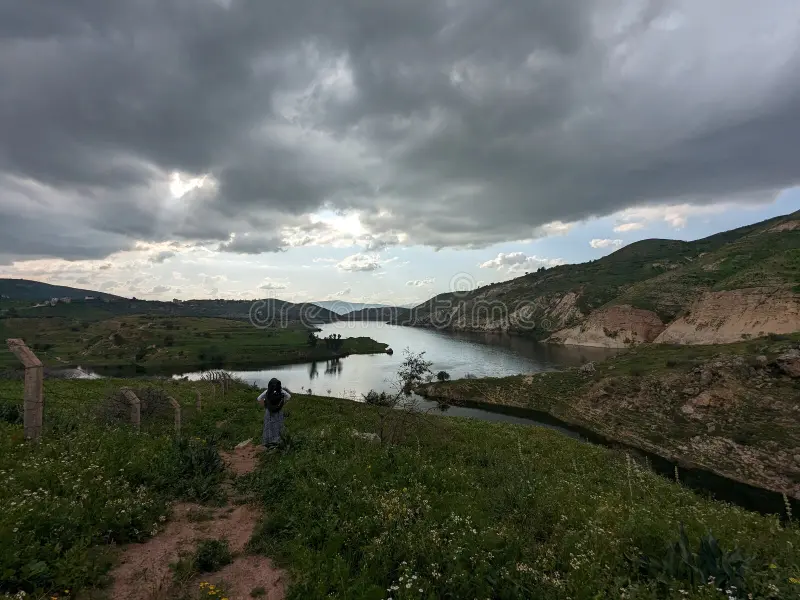
The Wadi Al-Ghufr area in Irbid faces significant traffic and health risks, prompting the Irbid Municipality to pledge innovative solutions. This comes amid rising traffic accidents and deteriorating health conditions in the region.
Wadi Al-Ghufr, considered one of the vital areas in Irbid, has seen a noticeable increase in the number of traffic accidents, raising concerns among residents and local authorities. Several citizens have pointed out that the narrow and congested roads pose a danger to their safety, especially with the increase in traffic during peak hours.
Details of the Situation
As part of the efforts to improve the situation, the Irbid Municipality has confirmed that it is working on implementing a set of innovative solutions that include enhancing road infrastructure and developing a traffic signal system. The municipality also aims to raise traffic awareness among citizens through awareness campaigns designed to reduce accidents.
Additionally, the area suffers from health issues related to air and water pollution, negatively impacting the health of residents. Studies have shown that air pollution in Wadi Al-Ghufr exceeds acceptable levels, necessitating urgent action to protect citizens' health.
Background & Context
Historically, Irbid has witnessed significant population growth, leading to increased pressure on infrastructure and public services. Wadi Al-Ghufr, which is one of the densely populated areas, suffers from a lack of basic services, exacerbating traffic and health problems.
These challenges are part of a larger crisis facing many Jordanian cities, where local governments strive to improve the quality of life for citizens through sustainable development projects. However, addressing these challenges requires effective coordination among various stakeholders.
Impact & Consequences
The traffic and health risks in Wadi Al-Ghufr affect the quality of life for residents, who face daily challenges related to safety and public health. If immediate action is not taken, the situation may worsen, leading to an increase in accidents and injuries.
Moreover, the deterioration of health conditions could negatively impact the local economy, potentially leading to increased healthcare costs and loss of productivity. Therefore, the innovative solutions that the Irbid Municipality intends to implement could be a crucial step towards improving the situation.
Regional Significance
The experience of Wadi Al-Ghufr serves as a model for many urban areas in the Arab world facing similar challenges. Improving infrastructure and providing better health services are priorities that governments in the region must adopt.
Furthermore, enhancing traffic and health awareness can contribute to building a safer and healthier community. Thus, the successful experiences in Wadi Al-Ghufr may inspire other regions in the Arab world to adopt similar strategies.
In conclusion, hope remains pinned on the innovative solutions that the Irbid Municipality intends to implement, as these efforts may contribute to improving the lives of Wadi Al-Ghufr residents and mitigating the risks they face.