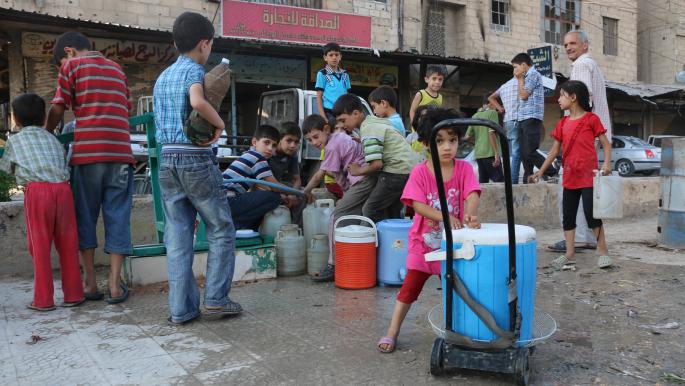
The Douala area of the Syrian capital, Damascus, is experiencing a worsening health crisis, with reported cases of mass poisoning due to the contamination of drinking water with sewage. This dangerous situation has raised concerns among residents, who are suffering from the health implications of this pollution.
Reports indicate that the mixing of drinking water with sewage has led to a surge in poisoning cases, prompting many residents to seek treatment at hospitals. Local health authorities have expressed their concern over the continuation of this issue, warning of the health risks that may arise from consuming contaminated water.
Details of the Incident
According to local sources, the contamination of drinking water in Douala is attributed to a malfunction in the water networks, which has resulted in sewage leaking into sources of potable water. The Syrian Ministry of Health has confirmed that it is closely monitoring the situation and is taking necessary measures to protect the residents.
At the same time, health authorities have issued warnings to residents to avoid consuming water from public networks, urging them to use bottled or safely treated water. Medical teams have also been dispatched to the area to provide support and assistance to those affected.
Background & Context
The water crisis in Syria is one of the pressing issues facing the country, especially amid the difficult economic and political conditions it is undergoing. Many regions in the country have witnessed a decline in water quality, leading to the spread of diseases associated with contaminated water.
Historically, Damascus, like many Syrian cities, has seen a deterioration in water infrastructure due to the ongoing conflict. This has exacerbated water issues, as sewage networks have become insufficient to handle the increasing amounts of water, raising the risk of contamination.
Impact & Consequences
The repercussions of the water crisis in Douala extend beyond health dimensions, directly affecting the daily lives of residents. With the increase in poisoning cases, residents are facing difficulties in obtaining safe drinking water, further exacerbating their suffering amid challenging economic conditions.
This crisis could also lead to the spread of infectious diseases, placing additional pressure on a healthcare system that is already suffering from resource shortages. An urgent response from the government and humanitarian organizations may be required to provide clean water and treatment for the affected individuals.
Regional Significance
This crisis highlights the water issues faced by many Arab countries, where problems of water contamination have increased in recent years. The deterioration of water quality poses a significant challenge to public health and requires effective strategies to address it.
Moreover, these incidents raise concerns about the ability of Arab governments to manage water resources effectively, which could impact social and economic stability in the region.
In conclusion, the water crisis in Douala serves as an example of the significant challenges facing communities in Syria, underscoring the urgent need for improved water infrastructure and adequate health resources to protect residents.