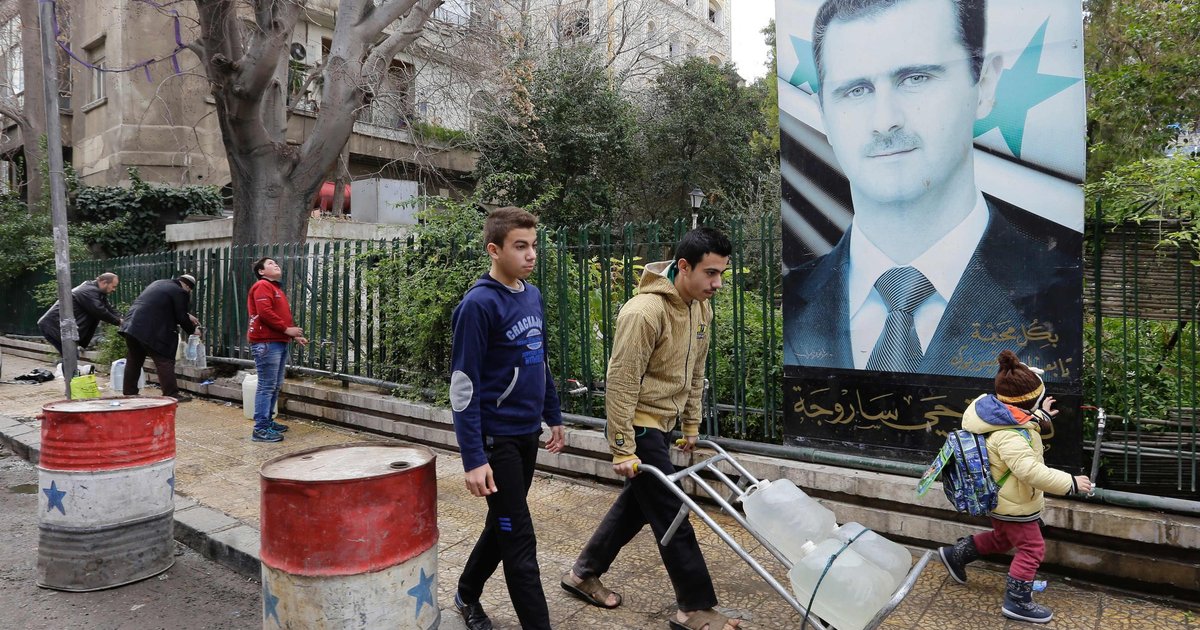
The Sweida Governorate in southern Syria is experiencing an increasing water crisis, as residents rely almost entirely on groundwater wells that need a stable electricity supply to ensure continuous pumping. This crisis is worsening amid the difficult economic conditions the country is facing, further increasing the suffering of citizens.
Water is considered a fundamental resource for life, yet the situation in Sweida raises concerns, especially with the declining water levels in groundwater wells due to continuous depletion. Many residents depend on these wells to meet their daily needs, putting them in a precarious position amid frequent electricity outages.
Details of the Crisis
Complaints from citizens in Sweida about water shortages are on the rise, with many indicating that the groundwater wells are no longer sufficient to meet their needs. In some areas, residents are forced to wait long periods to obtain water, affecting their daily lives. Some experts have pointed out that the temporary solutions adopted are no longer adequate to address this escalating crisis.
Groundwater wells require stable electrical supply to ensure continuous pumping, which faces significant challenges due to frequent electricity outages. These outages exacerbate the crisis, as residents find themselves facing a severe water shortage.
Background & Context
Historically, Sweida relied on multiple water sources, but recent years have seen a noticeable decline in groundwater levels due to climate change and excessive depletion. Additionally, the ongoing conflict in Syria has significantly impacted infrastructure, leading to a worsening water crisis.
Sweida is a strategic area, housing many groundwater wells that used to provide water for the population. However, the current conditions make it difficult to maintain these resources, necessitating urgent action to address the crisis.
Impact & Consequences
The water crisis in Sweida directly affects the lives of citizens, as their struggles to obtain drinking water increase. This situation could lead to the spread of diseases due to a lack of clean water, posing a threat to public health.
Moreover, the water shortage may impact agriculture, adversely affecting the local economy. Many farmers in Sweida rely on groundwater to irrigate their crops, and with declining water levels, they face significant challenges in maintaining their agricultural production.
Regional Significance
The water crisis in Sweida is part of a larger problem facing many Arab countries, where many regions suffer from water shortages due to climate change and conflicts. This situation calls for regional and international efforts to find sustainable solutions to the water problem in the region.
Under these circumstances, governments and international organizations must work together to develop effective strategies for managing water resources and ensuring the provision of clean water for all residents. Addressing the water crisis in Sweida could serve as a model that can be applied in other areas facing similar issues.