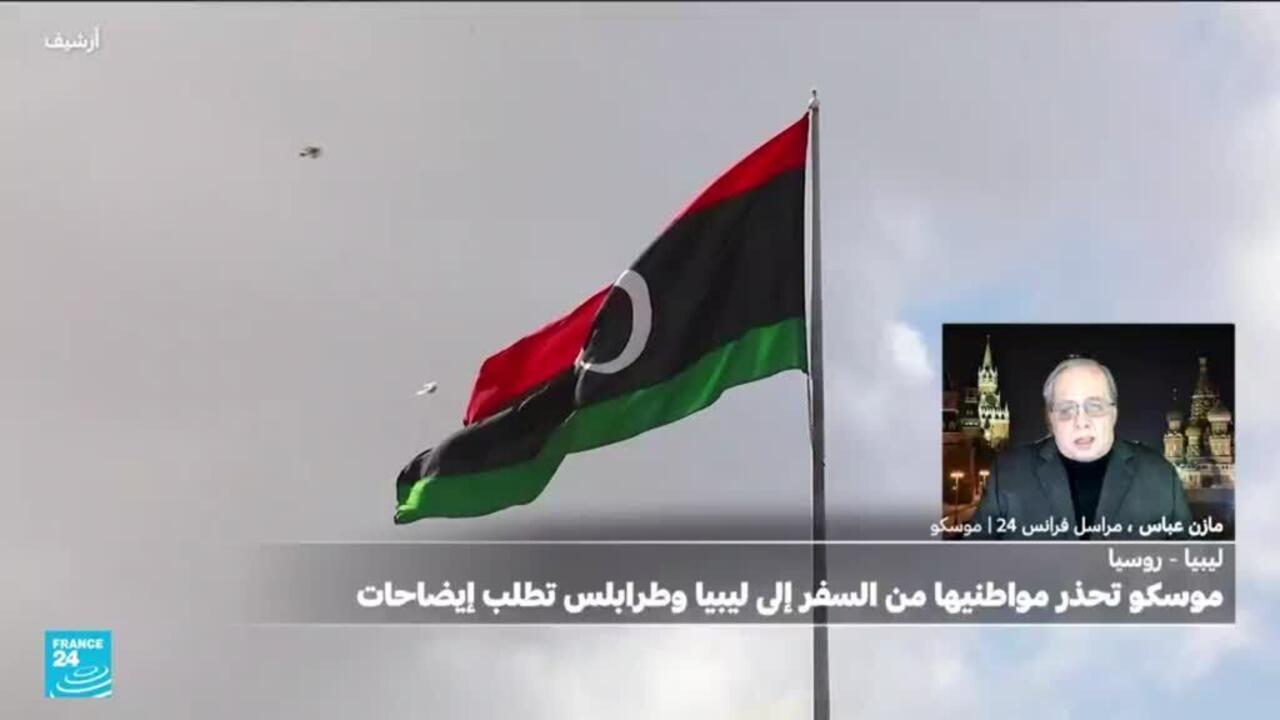
Libya's shores are facing a growing crisis following the incident involving the Russian gas tanker 'Arctic Metagas', which suffered severe damage in the Mediterranean Sea, resulting in a loss of maneuverability. The tanker, which was carrying a shipment of gas, drifted towards the Libyan coast, prompting local authorities to mobilize efforts to avert an environmental disaster that could arise from a gas leak.
In response to this incident, Libyan authorities have implemented urgent measures, including deploying rescue and monitoring teams along the coast, as well as coordinating with relevant international entities to address the situation. The Libyan government has expressed significant concern regarding the necessity of protecting the marine environment, as Libya's shores are known for their rich biodiversity.
Details of the Incident
The tanker 'Arctic Metagas' encountered an accident in the Mediterranean, resulting in severe structural damage. The incident occurred during a sensitive time, as the region was experiencing political and security tensions. Reports indicated that the tanker was on a routine voyage before facing technical issues that led to a loss of control.
Upon receiving reports about the incident, Libyan authorities activated emergency plans, deploying teams from civil and maritime protection to monitor the situation. Communication was also established with specialized companies in marine incident management to provide the necessary technical support.
Background & Context
Libya is considered one of the countries rich in natural resources, including gas and oil, making it a focal point for international companies. However, the security and political situation in the country remains fragile, complicating the crises that may arise. The recent incident reflects the challenges the country faces in managing its natural resources safely.
Historically, Libya has witnessed numerous maritime incidents, but the current incident stands out as one of the most significant in recent years due to its potential implications for the marine environment. Previous crises have often led to political and economic repercussions at both local and international levels.
Impact & Consequences
The potential consequences of the Russian tanker incident could be severe, as a gas leak may lead to coastal water pollution, affecting marine life and local economic activities such as fishing and tourism. Additionally, this incident may highlight the need for improving maritime infrastructure in Libya.
On the international front, this incident could affect relations between Libya and Russia, as Russian companies may face increased scrutiny in their operations. Furthermore, the new American movements in the region may reflect a greater interest from Washington in stabilizing Libya, especially amid escalating crises.
Regional Significance
The crisis of the Russian tanker is part of a series of events impacting stability in the Mediterranean region. Environmental and political crises in Libya could affect neighboring countries, necessitating regional cooperation to address shared challenges.
Moreover, the incident underscores the importance of enhancing maritime security in the region, as any environmental disaster could impact neighboring states, requiring a swift and effective response from the concerned governments.
In conclusion, the crisis of the Russian tanker 'Arctic Metagas' remains a vital issue that requires ongoing attention from Libyan authorities and the international community to ensure the protection of the marine environment and the stability of the region.