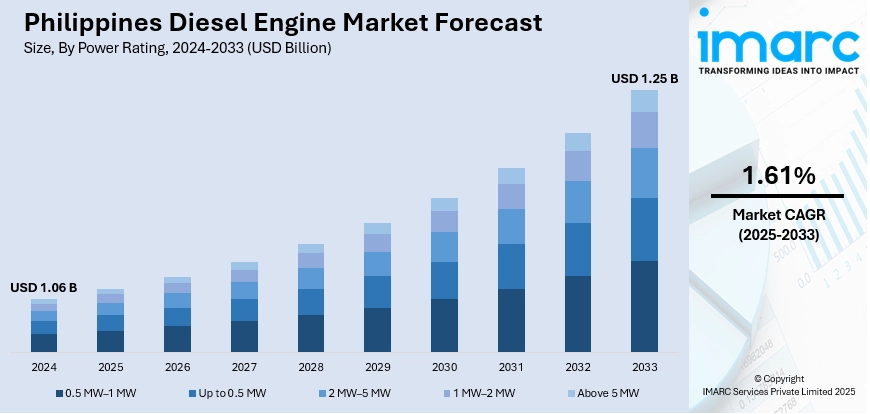
The latest data reveals that the Philippines consumes around 33 million liters of diesel each day, highlighting the country's heavy dependence on fossil fuels. This situation arises amid increasing global pressure to shift towards renewable energy sources, raising questions about the future of energy in the Philippines.
These figures indicate the challenges the Philippines faces in its pursuit of sustainability goals. Despite efforts in electrification, diesel still constitutes a significant portion of the country's energy mix, amplifying the need for effective strategies to transition to cleaner energy sources.
Details of the Situation
Concerns are growing regarding the environmental impact of diesel dependence, as this type of fuel is considered one of the primary sources of carbon emissions. At the same time, the Philippine government is seeking to reduce this reliance through a series of initiatives aimed at promoting renewable energy usage.
Reports indicate that the Philippines has already begun implementing solar and wind energy projects; however, logistical and financial challenges continue to hinder progress. There is also an urgent need to develop the infrastructure necessary to support this transition, including transportation and distribution networks.
Background & Context
Historically, the Philippines has heavily relied on fossil fuels to meet its energy needs. With the increasing demand for energy due to population growth and economic expansion, it has become essential to seek more sustainable alternatives. In recent years, the Philippine government has started to recognize the importance of transitioning to renewable energy sources, but challenges remain.
In 2020, the Philippine government launched a national renewable energy plan aimed at increasing the share of renewable energy in the national energy mix. However, the country still faces significant obstacles, including a lack of investments in renewable energy projects.
Impact & Consequences
Continued reliance on diesel may exacerbate environmental crises in the Philippines, including air pollution and climate change. This dependence could also negatively impact the Philippine economy, as fluctuations in oil prices can lead to increased costs for consumers and businesses.
On the other hand, transitioning to renewable energy presents a significant opportunity for the Philippines to enhance its energy security and reduce carbon emissions. If the government can overcome current challenges, the Philippines could become a model for sustainable energy in the region.
Regional Significance
The Philippines' experience with diesel dependence underscores the importance of transitioning to renewable energy sources globally, including in Arab countries. Many Arab nations face similar energy challenges, and transitioning to renewable energy is an urgent necessity to address climate change and ensure resource sustainability.
As Arab nations strive to achieve sustainable development goals, the Philippines can serve as an example of how to tackle energy challenges. By fostering regional cooperation and knowledge exchange, Arab countries can benefit from the experiences of the Philippines and others in the renewable energy sector.