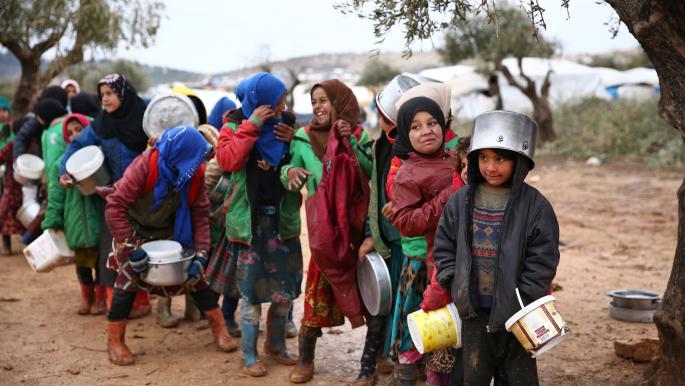
The hunger crisis in Syria is worsening, with millions of families facing food insecurity that threatens their lives daily. According to definitions from the FAO, the difference between hunger that leads to immediate death and food insecurity is merely a procedural distinction, indicating that the responsibility for both crimes lies with the same entity.
Challenges for Syrians in accessing food are increasing, with reports indicating that over 12 million people are suffering from food insecurity amid escalating conflict and deteriorating economic conditions. This crisis is not only a result of ongoing conflict but also stems from failed economic policies and rampant corruption.
Details of the Crisis
Data shows that a significant portion of the population cannot meet their basic food needs. Under the current circumstances, obtaining food has become a daily struggle, forcing many to forgo meals or rely on humanitarian aid that is insufficient to meet their needs.
The crisis is exacerbated by a shortage of essential resources, such as water and electricity, which affects agricultural production and food output. Additionally, rising food prices due to economic inflation further increase the suffering of families, making food a luxury that many cannot afford.
Background & Context
Historically, Syria has faced multiple food crises, but the current situation is the worst since the conflict began in 2011. Humanitarian dimensions intertwine with political ones, as armed conflicts impact the government's ability to provide basic necessities for its citizens.
It is noteworthy that neighboring countries, such as Lebanon and Jordan, are also facing similar challenges in accommodating Syrian refugees, adding pressure on available resources. These overlapping crises reflect a state of instability in the region, affecting all neighboring countries in one way or another.
Impact & Consequences
The hunger crisis leads to serious social and economic repercussions, with rising rates of poverty and unemployment. Food insecurity also contributes to the spread of diseases and malnutrition, particularly affecting the health of children and women.
This crisis requires an urgent response from the international community, with coordinated efforts needed to provide humanitarian aid and facilitate access to food. Ignoring this crisis will exacerbate the situation, threatening regional stability.
Regional Significance
The hunger crisis in Syria serves as an example of humanitarian crises affecting the entire region. The spread of hunger and poverty in Syria may lead to increased refugee flows into neighboring countries, putting additional pressure on those nations.
Moreover, these crises can affect relations between Arab countries, necessitating cooperation and coordination to address humanitarian challenges. Addressing the hunger crisis in Syria must be a priority at both regional and international levels.
The hunger crisis in Syria is not merely a local issue; it is a humanitarian concern that requires global attention. We must all unite to confront this crisis and work towards achieving food security for every individual in Syria.