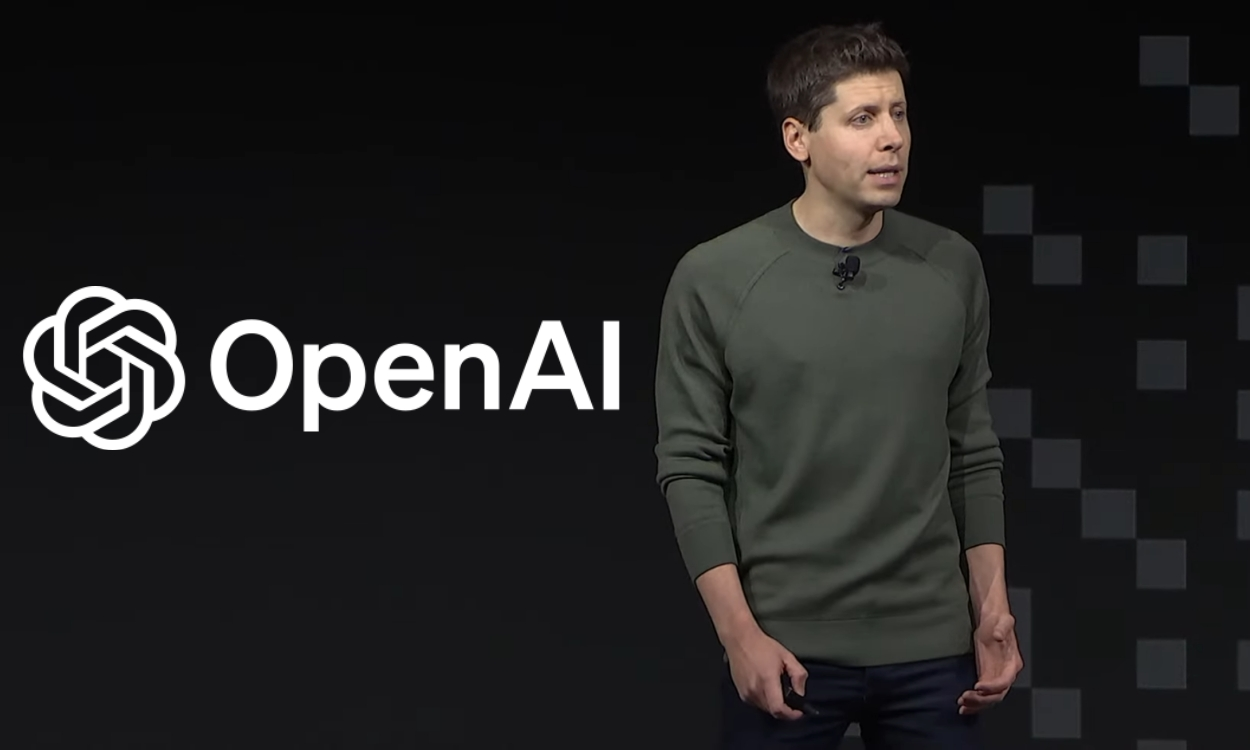
OpenAI, a leader in the field of artificial intelligence, is currently grappling with an internal crisis of trust regarding its leadership, with Sam Altman, the CEO, at the center of these concerns. The OpenAI team is working diligently to promote the human benefits of AI in an effort to overcome the negative atmosphere surrounding the company.
This crisis emerges at a critical time when fears about the impacts of artificial intelligence on society are escalating. The team is seeking innovative solutions that can help build trust among members and provide a clear vision for how technology can be used positively.
Details of the Trust Crisis
Reports indicate that some employees at OpenAI feel uneasy about the current leadership strategies, raising questions about the company's future. This situation poses a significant challenge amidst increasing competition in the AI market, where companies are racing to deliver new and innovative technologies.
In response to these issues, the team has initiated brainstorming sessions aimed at exploring new ways AI can contribute to improving human lives. This includes a focus on applications that enhance transparency and ensure the ethical use of technology.
Background & Context
Founded in 2015, OpenAI's mission is to develop artificial intelligence in a safe and reliable manner. As reliance on this technology grows across various sectors, challenges related to transparency and credibility have become more pronounced. In recent years, the company has experienced rapid growth, increasing pressure on leadership to deliver tangible results.
The growing concerns about the societal impacts of AI have prompted OpenAI to reassess its strategies and engage more deeply with its workforce to foster a culture of openness and collaboration.
Impact & Consequences
The trust crisis within OpenAI serves as a wake-up call for many companies in the tech sector. If the company fails to address these issues effectively, it could adversely affect its reputation and ability to attract new talent. Furthermore, a lack of trust may lead to a decline in innovation, negatively impacting the overall progress of artificial intelligence.
Addressing these challenges is crucial, as the outcomes will not only influence OpenAI's internal dynamics but also set a precedent for other technology firms navigating similar issues.
Regional Significance
This crisis highlights the importance of trust in leadership within technology companies and its impact on innovation and success. The lessons learned from OpenAI's experience could provide valuable insights for emerging startups in the Arab world, emphasizing the need for transparent governance and ethical practices in technology development.
In conclusion, OpenAI's current situation underscores the critical role that trust plays in fostering a productive and innovative work environment. As the company works to rebuild confidence among its employees, it may also pave the way for more ethical and responsible AI practices in the industry.