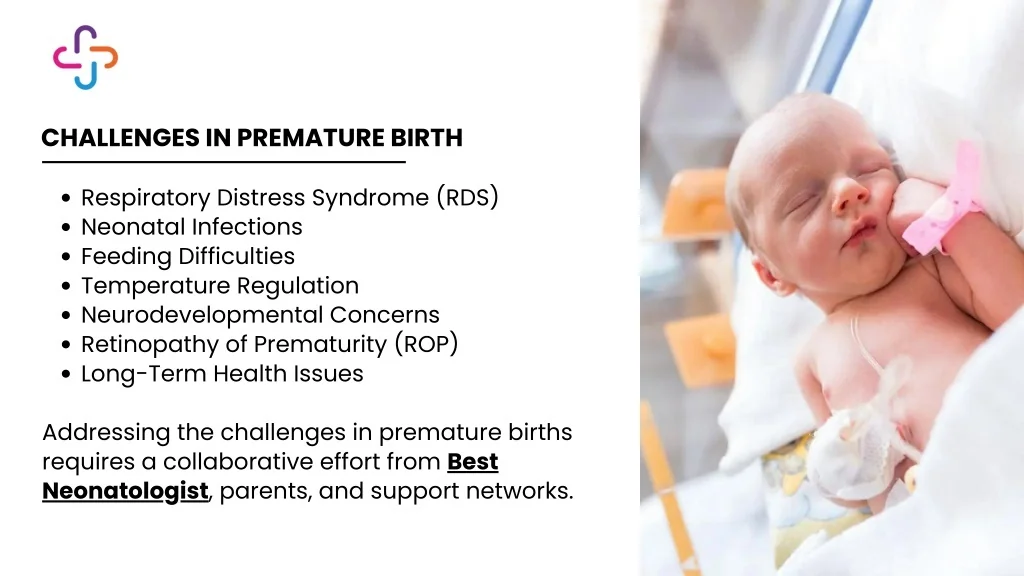
Preterm births are witnessing a significant increase in many countries, which raises concerns among doctors and specialists. Studies indicate that this phenomenon may result from multiple factors, including health and environmental conditions. Preterm birth, defined as delivery occurring before the 37th week of pregnancy, poses a substantial challenge for both mothers and newborns.
The causes of preterm birth are varied, encompassing health factors such as high blood pressure, diabetes, and uterine infections. Psychological and social factors also play a crucial role, including stress and anxiety, along with environmental conditions such as pollution.
Details of the Situation
Reports indicate that the rate of preterm births in some countries has exceeded 15%, a figure considered alarmingly high. Doctors warn that this percentage could lead to an increase in chronic health issues among children, such as respiratory problems and growth difficulties. Additionally, preterm births may require intensive medical care, which places a financial burden on families and healthcare systems.
In this context, numerous awareness campaigns have been organized by health organizations aimed at educating mothers about the importance of healthcare during pregnancy. These campaigns seek to provide psychological and social support to mothers, as well as the necessary information to mitigate risks.
Background & Context
Preterm birth is regarded as a global health issue that requires special attention. According to the World Health Organization, preterm birth is the leading cause of death among newborns. In recent years, there has been a focus on improving healthcare for mothers and infants, yet challenges persist.
Historically, many countries have seen improvements in preterm birth rates due to advancements in healthcare; however, environmental and social changes may reverse these trends. It is crucial for governments to adopt comprehensive strategies to address this phenomenon.
Impact & Consequences
Preterm birth significantly impacts public health, as it necessitates intensive medical care for infants born prematurely. This situation places additional strain on healthcare systems, especially in developing countries that suffer from resource shortages. Furthermore, children born prematurely may face long-term health challenges, affecting their quality of life.
Moreover, preterm birth affects families emotionally and psychologically. Mothers may experience anxiety and depression due to the pressures associated with caring for a child requiring special attention. Therefore, it is essential to provide psychological and social support to mothers during this critical period.
Regional Significance
In the Arab region, cases of preterm birth are increasing in some countries due to economic and social conditions. Political and economic crises may exacerbate this issue, necessitating an immediate response from governments and civil society. It is important to raise awareness about the significance of healthcare for mothers and infants and to provide the necessary resources to mitigate this phenomenon.
In conclusion, preterm birth remains a significant health issue that requires increased attention from all stakeholders. By enhancing awareness and providing support, the risks associated with this phenomenon can be reduced, ultimately improving the health of mothers and infants in the future.