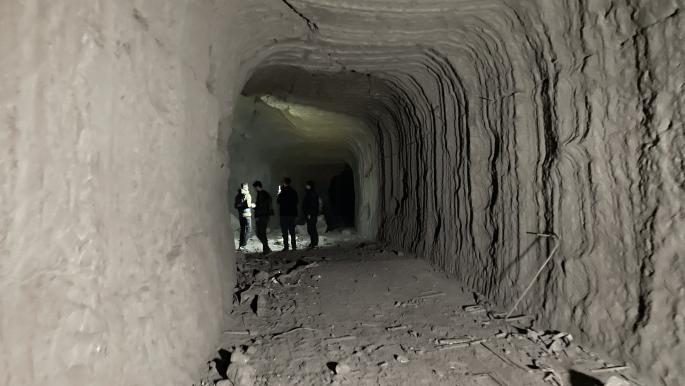
Engineering efforts continue in Northeast Syria to address the damage caused by dozens of tunnels left by the Syrian Democratic Forces (SDF) in areas previously under their control. These tunnels are a significant source of concern, with engineering teams currently focusing on the most hazardous tunnels that threaten the lives of local residents.
These efforts come at a time when civilians are suffering from the repercussions of the ongoing conflict in the region, as these tunnels have caused unfortunate incidents leading to injuries and fatalities among the local population. The situation in Northeast Syria is complex, with various military and political forces overlapping, complicating reconstruction efforts and humanitarian conditions.
Details of the Situation
Reports indicate that engineering teams have already begun assessing the damage inflicted on the tunnels, with a large number identified as posing a direct threat. The teams are working to clear debris and dismantle unsafe structures in an attempt to reduce the risks faced by the population.
These tunnels are part of the military infrastructure used by the SDF during the conflict, but they now pose a danger to civilians living nearby. Some studies have shown that these tunnels could lead to landslides or other incidents that could harm people's lives.
Background & Context
The Syrian Democratic Forces were established in 2015 as a military alliance comprising various Kurdish and Arab factions, emerging as a key force in the fight against ISIS. However, the control over areas that were under their jurisdiction has left negative impacts on civilians, resulting in the destruction of infrastructure and the creation of an unsafe environment.
Historically, the region has witnessed multiple conflicts, leading to a deterioration of humanitarian conditions. The tunnels are considered part of the military strategies employed by various parties in the conflict, further complicating reconstruction and peace efforts.
Impact & Consequences
The risks posed by these tunnels represent a direct threat to civilian lives, as they can lead to fatal accidents. Furthermore, the continued existence of these tunnels reflects the significant challenges the region faces in achieving stability and security.
Addressing these issues requires both international and local cooperation, as necessary resources must be allocated to remove the tunnels and improve humanitarian conditions. This is essential to ensure the safety of local populations and pave the way for reconstruction.
Regional Significance
The situation in Northeast Syria illustrates how armed conflicts affect civilian lives, highlighting the urgent need for peace and stability in the region. These issues also underscore the importance of cooperation between Arab countries and the international community to support reconstruction efforts and improve humanitarian conditions.
In conclusion, the tunnels left by the SDF in Northeast Syria remain a symbol of the ongoing challenges faced by the region, necessitating an urgent response from all concerned parties to ensure civilian safety and achieve stability.