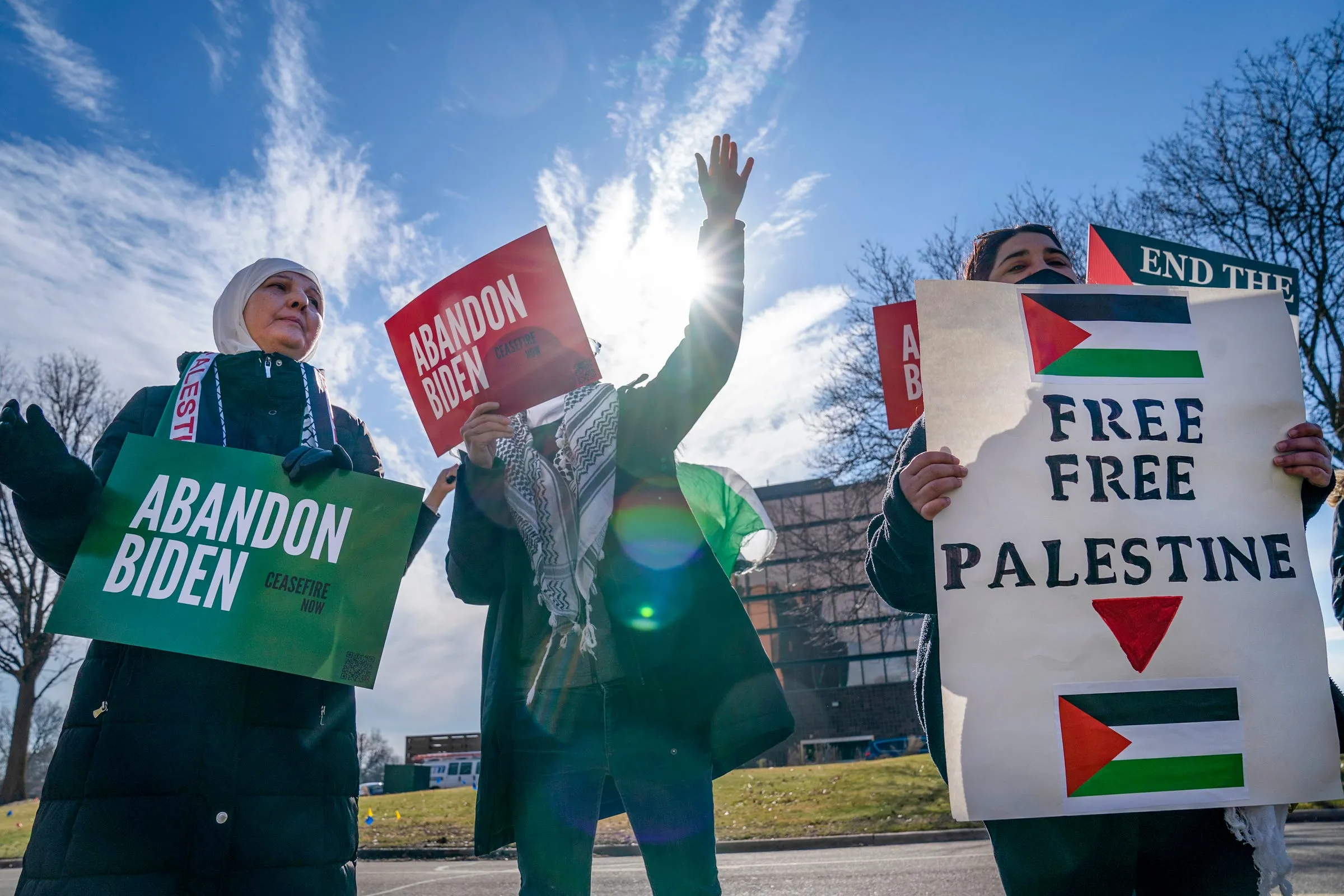
The phenomenon of Islamophobia is on the rise in many countries around the world, raising concerns among Arab communities. Reports indicate that this trend negatively affects peaceful coexistence and heightens social tensions. In recent years, many European and American countries have witnessed a surge in hate incidents against Muslims, reflecting a growing fear and anxiety towards Islam.
Islamophobia manifests in various forms, ranging from discrimination in employment and education to physical and psychological assaults. This phenomenon not only affects individuals but also extends its impact to communities as a whole, reinforcing divisions and increasing tensions between different cultures.
Details of the Incident
In a recent report, human rights organizations have noted a significant increase in hate incidents against Muslims in Western countries. According to statistics, the rate of assaults against Muslims has risen by as much as 30% in some countries over the past year. Studies have shown that this phenomenon is accompanied by a rise in anti-Islam political rhetoric, which is promoted by some politicians for electoral purposes.
Manifestations of Islamophobia also include negative media campaigns targeting Muslims, where they are portrayed in a negative light in the media, reinforcing incorrect stereotypes about them. These campaigns lead to heightened feelings of fear and anxiety among Western communities towards Muslims, further increasing social tensions.
Context and Background
The roots of Islamophobia can be traced back to complex historical events, most notably the terrorist attacks that occurred in the United States in 2001. These events led to increased feelings of fear towards Islam and Muslims, contributing to the reinforcement of negative stereotypes. Over the years, some politicians have exploited these feelings for political purposes, exacerbating the spread of this phenomenon.
Historically, Muslim communities have suffered from discrimination and persecution in many countries. They have experienced periods of violence and discrimination, which have intensified feelings of fear and anxiety. In recent years, with the escalation of conflicts in the Middle East, these feelings have notably increased, impacting the image of Muslims worldwide.
Consequences and Impact
Islamophobia significantly affects the lives of Muslims in Western communities. Many experience discrimination in employment and education, hindering their opportunities for advancement and success. This phenomenon also leads to increased feelings of isolation and anxiety among Muslims, affecting their mental health.
Moreover, Islamophobia impacts relationships between different communities. It contributes to reinforcing divisions and increases tensions, hindering efforts for peaceful coexistence. This phenomenon poses a major challenge for Western societies, which need to find effective ways to combat hate and promote understanding between cultures.
Impact on the Arab Region
The phenomenon of Islamophobia indirectly affects the Arab region, as it enhances feelings of fear and anxiety towards Western communities. It also leads to increased tensions between Arab countries and Western nations, impacting political and economic relations. Under these circumstances, Arab countries need to enhance dialogue and understanding with Western communities to confront this phenomenon.
In conclusion, Islamophobia represents a significant challenge that requires joint efforts from all parties. Western communities must work to combat hate and promote understanding, while Arab nations should enhance dialogue and cooperation to address this phenomenon.