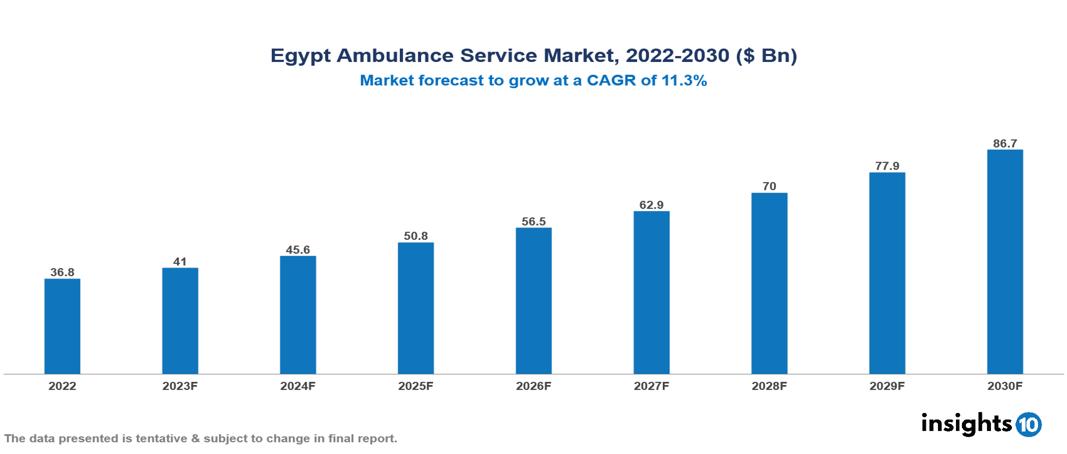
Informed sources indicate that the prices of non-emergency ambulance services in Egypt will soon be adjusted. This decision is part of the government's efforts to enhance healthcare services provided to citizens, as officials aim to achieve a balance between service quality and associated costs.
Non-emergency ambulance services are a vital component of the healthcare system, providing safe and appropriate transport for patients who require medical care without the need for immediate intervention. However, the costs associated with these services have affected accessibility for some citizens.
Details of the Event
Reports suggest that the Egyptian government is considering revising the prices of non-emergency ambulance services amid the economic challenges facing the country. The new prices are expected to be announced soon, allowing citizens to better plan for their healthcare needs.
This move comes at a sensitive time as the healthcare sector seeks to improve the level of services provided to citizens, particularly in light of the difficult economic conditions the country is experiencing. Adjusting prices is seen as part of a comprehensive strategy aimed at enhancing the efficiency of the healthcare system.
Background & Context
Historically, ambulance services in Egypt have undergone numerous changes, with prices remaining stable for a long period. As demand for these services has increased, it has become essential to review the pricing to ensure the sustainability of the service. In recent years, improvements have been made to the level of healthcare services, but costs have always been a topic of discussion.
This step coincides with the Egyptian government's efforts to improve healthcare infrastructure, including upgrading ambulances and training medical staff. These improvements aim to provide better services to citizens but also require additional financial resources.
Impact & Consequences
The adjustment of prices for non-emergency ambulance services is expected to affect a wide range of citizens. Rising prices may lead to reduced usage of these services by certain groups, potentially negatively impacting their health. Therefore, the government must consider this point when determining the new prices.
On the other hand, improving service quality could increase trust in the healthcare system, encouraging more citizens to utilize ambulance services when needed. This balance between cost and quality will be crucial for the success of this initiative.
Regional Significance
Ambulance services are a vital part of the healthcare system across all Arab countries. Therefore, any changes in the prices of these services could impact how healthcare is delivered in the region. In other countries, different models have been implemented to enhance ambulance services, providing lessons that Egypt can learn from.
Improving non-emergency ambulance services in Egypt could serve as a model for other Arab nations, as everyone seeks to enhance the quality of healthcare provided to their citizens.
In conclusion, it remains to be seen how these changes will affect citizens in Egypt and whether the government will be able to achieve the necessary balance between cost and quality in ambulance services.