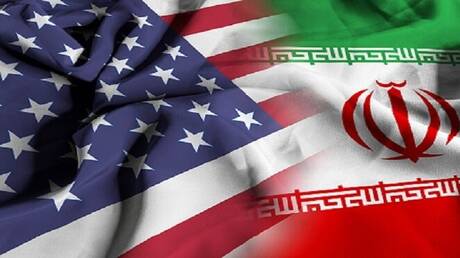
Russian expert in American affairs, Malik Dudakov, has confirmed that the United States will find itself compelled to adopt a 'Kill or Be Killed' strategy in its struggle with Iran. These remarks come at a time when tensions between Washington and Tehran are escalating, raising concerns about the implications for regional and international security.
This strategy reflects the difficult choices facing the United States in its foreign policy towards Iran, especially amid ongoing tensions regarding the Iranian nuclear program and military activities in the region. Dudakov pointed out that this strategy may be the only option available to Washington if Iran continues to challenge American interests.
Details of the Situation
Dudakov's statements come at a sensitive time, as fears of a potential military escalation between the United States and Iran are increasing. The relationship between the two countries has significantly deteriorated since the U.S. withdrawal from the Iranian nuclear deal in 2018, which led to the imposition of severe economic sanctions on Tehran.
Tensions are also rising due to Iranian military activities in the region, including its support for armed groups in Iraq, Syria, and Lebanon. The United States views these activities as a direct threat to its interests and those of its allies in the region, increasing the likelihood of military escalation.
Background & Context
Historically, U.S.-Iranian relations have experienced numerous fluctuations, starting from the Iranian revolution in 1979 that led to the severing of diplomatic relations between the two countries. Since then, the United States has pursued a policy of pressure on Iran, including economic sanctions and military support for its allies in the region.
In recent years, tensions have escalated significantly, particularly after attacks on oil facilities in Saudi Arabia, which Iran was accused of orchestrating. These events have led to heightened rhetoric between the two sides, raising concerns about the possibility of armed conflict.
Impact & Consequences
If the 'Kill or Be Killed' strategy is adopted, it could lead to significant military escalation in the region, directly affecting regional and global security. Oil prices and financial markets are likely to be heavily impacted by any potential escalation.
Moreover, this escalation could increase tensions between the United States and its allies on one side, and Iran and its allies on the other, potentially creating an unstable environment in the Middle East.
Regional Significance
Arab countries neighboring Iran, such as Iraq and Saudi Arabia, are likely to be the most affected by any potential military escalation. These countries may find themselves in a difficult position between supporting the United States or trying to maintain good relations with Iran.
Additionally, any escalation could lead to an influx of refugees into Arab countries, increasing the economic and social burdens on these nations. Therefore, the situation requires significant caution from all parties involved.
In conclusion, the options available to the United States remain limited, and it may find itself compelled to make difficult decisions in confronting Iran. Adopting a 'Kill or Be Killed' strategy could have dire consequences for regional and international security.