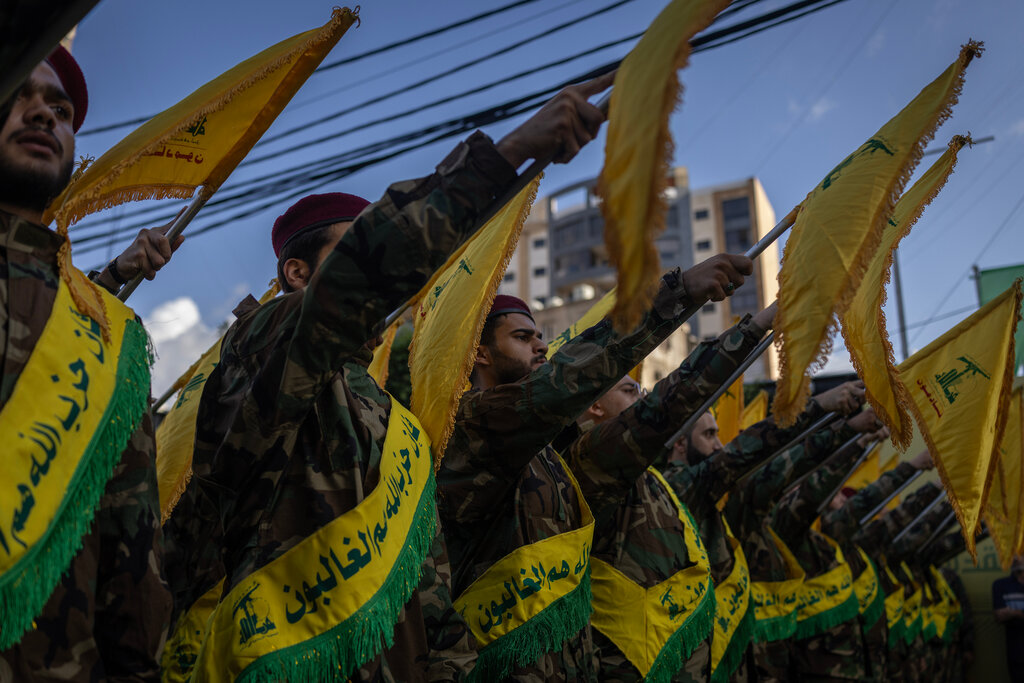
Hezbollah's political position is intensifying as the party adopts a more stringent strategy in response to regional events. This shift occurs amid rising tensions in the region.
In recent weeks, reports have noted significant changes in Hezbollah's rhetoric, with the party adopting a more hardline tone towards challenges it faces, both domestically and internationally. These transformations indicate that the party is preparing to confront new crises that may impact its stability and influence in Lebanon and the region.
Details of the Situation
As tensions escalate between regional and international powers, Hezbollah has announced its firm stance on sensitive issues, including the Israeli-Palestinian conflict and crises in Syria and Iraq. The party has reaffirmed its support for Palestinian resistance, stating that any aggression against Palestinian rights will not go unanswered.
Hezbollah's Secretary-General, Hassan Nasrallah, emphasized the need to strengthen the internal front in his recent speech, warning against any attempts to undermine Lebanon's stability. These statements come amid the economic and social crises that Lebanon is experiencing, complicating the political landscape further.
Background & Context
Hezbollah was established in 1982 in response to the Israeli occupation of Lebanon, and since then, it has become a key player in Lebanese and regional politics. The party enjoys significant support from Iran and considers itself part of the resistance axis against Western hegemony in the region.
Over the years, Hezbollah has faced numerous challenges, including the Lebanese civil war, conflict with Israel, and internal political crises. Nevertheless, the party has managed to maintain its strength and influence, making it one of the most prominent actors in the Lebanese political arena.
Impact & Consequences
Hezbollah's hardening stance may lead to heightened tensions in the region, especially with regional and international powers seeking to undermine its influence. This escalation could affect Lebanon's stability and further complicate the economic and social conditions faced by the Lebanese people.
Moreover, these developments could lead to a reshaping of political alliances in the region, with some countries potentially seeking to strengthen their cooperation with Hezbollah, while others may distance themselves from the party amid international pressures.
Regional Significance
The implications of Hezbollah's stance extend beyond Lebanon, as any escalation could impact security and stability in neighboring countries such as Syria and Iraq. Additionally, the party's position may affect relations between Arab states and Iran, further complicating the political landscape in the region.
In light of these developments, the question remains as to how Arab countries will respond to Hezbollah's rising influence and whether they will seek diplomatic solutions to ease tensions.
In conclusion, Hezbollah's hardening stance reflects the challenges facing the region and suggests that political and economic crises may continue to impact regional stability. Under these circumstances, there remains hope that the involved parties will seek peaceful solutions that ensure security and stability for all.