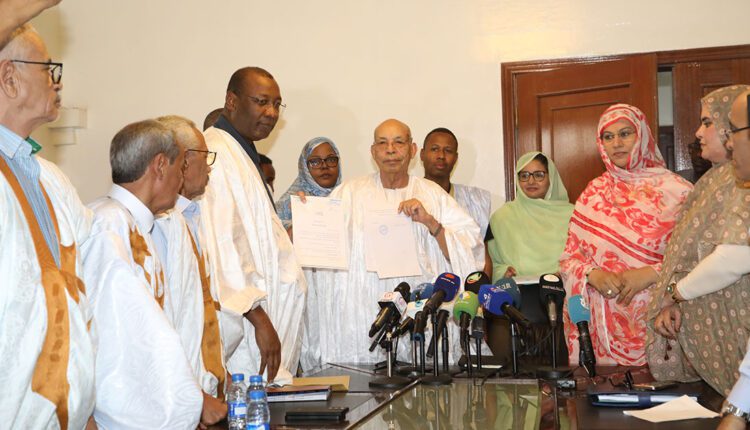
Mauritania's national dialogue project has entered a critical phase, with national dialogue coordinator Moussa Fall receiving proposals from various political parties and the names of their representatives in the consultation leadership body. This step comes after more than a year of political preparations and quiet consultations, reflecting notable progress in efforts to achieve political consensus in the country.
Despite the progress made, the dialogue still faces significant challenges, as political tensions continue among the different parties. This dialogue is seen as an opportunity to resolve disputes and enhance political stability in Mauritania, but its success depends on the parties' ability to overcome existing disagreements.
Event Details
Moussa Fall, the national dialogue coordinator, received proposals from different political parties, marking an important step towards the commencement of official dialogue sessions. These sessions are expected to discuss vital issues related to political and economic reforms, in addition to enhancing political participation for all groups.
These developments come at a sensitive time for Mauritania, as many political actors seek to achieve political stability after years of tensions. The political parties have shown their willingness to participate in the dialogue, reflecting a desire to improve the political and social conditions in the country.
Background & Context
Historically, Mauritania has experienced numerous political crises that have led to instability. Since 2019, the current government has begun taking steps to promote national dialogue, forming multiple committees to discuss political and social issues. However, there has been no tangible progress until now, making this new phase of dialogue appear as a golden opportunity for change.
This step is part of the government's efforts to strengthen democracy in the country, as many observers are eager to see tangible results from this dialogue. In recent years, there have been increasing calls from civil society and political parties for comprehensive reforms.
Impact & Consequences
If the national dialogue succeeds in achieving its goals, it could lead to improved political and economic conditions in Mauritania. The dialogue is expected to help build trust between the government and citizens, which may lead to greater stability in the country.
However, the question remains about the political parties' ability to overcome their differences and achieve genuine consensus. Previous experiences in the region indicate that political dialogue may face significant difficulties, especially amid deep divisions among parties.
Regional Significance
Mauritania's experience in national dialogue serves as a model that could influence other countries in the region facing political crises. The efforts of Mauritania could inspire other nations seeking stability through dialogue and understanding.
Amid political tensions in many Arab countries, Mauritania's experience may provide an opportunity to learn from past mistakes and promote a culture of dialogue as a means of resolving conflicts.
In conclusion, the national dialogue in Mauritania represents an important step towards achieving political stability, but its success relies on the parties' ability to work together and overcome differences. There is hope that these efforts will yield positive results that benefit all segments of society.