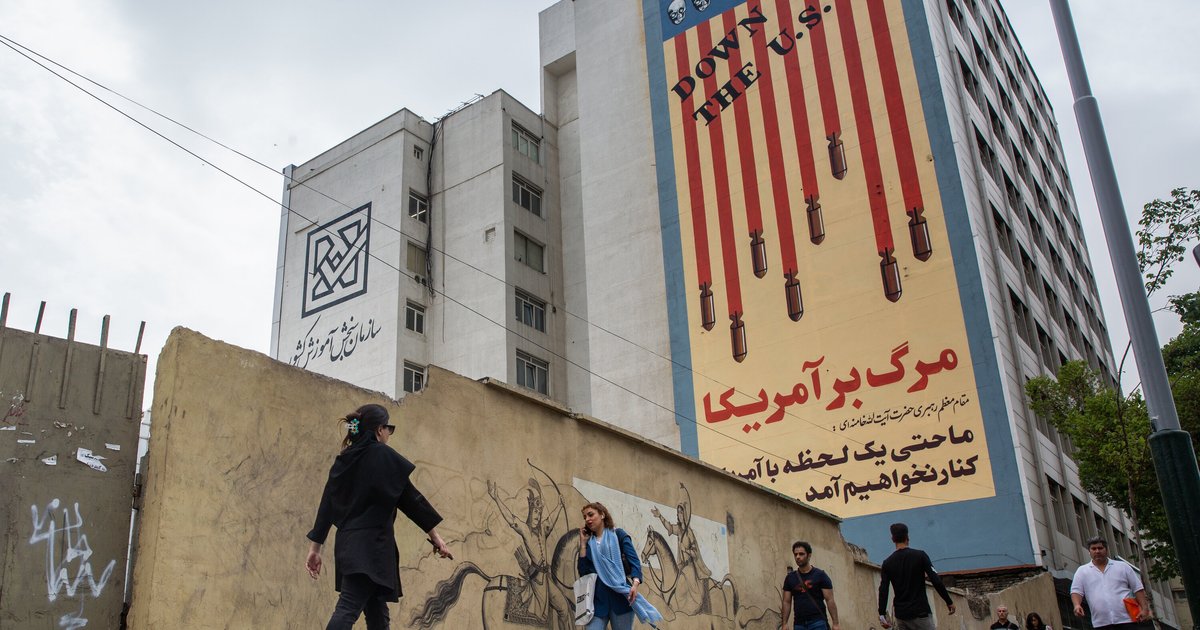
In the context of escalating tensions in the Middle East, American legal expert Jonathan Granoff warns that war will not be a permanent solution to concerns regarding Iran's nuclear ambitions. He asserts that the answer lies in diplomacy and enhancing international oversight mechanisms.
In his article published in Newsweek, Granoff points out that the escalation resulting from the American-Israeli war against Iran could exacerbate instability rather than address the core issue. He considers the Nuclear Non-Proliferation Treaty (NPT) to be the legal foundation of the global nuclear order, urging the upcoming treaty review conference at the United Nations to be leveraged as an opportunity to strengthen this international framework.
Event Details
Granoff, who has extensive experience in nuclear disarmament, clarified that Article IV of the NPT grants all member states the right to develop and use nuclear energy for peaceful purposes. This right, he noted, applies equally to Iran and the United States.
Granoff criticized the American demands for Iran to halt uranium enrichment for twenty years, even for peaceful purposes, while exporting its uranium stockpile abroad, arguing that these demands contradict the guarantees provided by the treaty for peaceful nuclear programs.
Background & Context
Nevertheless, legitimate concerns arising from Iran's past behavior cannot be overlooked, as it revealed secret nuclear activities in the early 2000s, undermining trust and raising doubts about the nature of Iran's program. Iran, for its part, denies these accusations and asserts that its program is civilian and peaceful.
Granoff believes that the bridge between Tehran's stance and that of international parties cannot be built through war, but rather through strengthening the Nuclear Non-Proliferation Treaty. He proposes the establishment of a more stringent inspection and oversight system under the auspices of the International Atomic Energy Agency, inspired by the model of the Chemical Weapons Convention.
Impact & Consequences
Granoff emphasizes that these guarantees must be applied universally to all non-nuclear states party to the NPT, so it does not appear as a political targeting of a specific country. He asserts that this system is not a punishment for Iran, but part of a more effective global standard.
In contrast, Granoff calls on the United States to show readiness to revive the nuclear disarmament process, noting that this commitment represents the essence of the treaty and is not merely a secondary provision. He warns that expanding the war against Iran will only lead to increased violence, chaos, and the likelihood of nuclear proliferation.
Regional Significance
In conclusion, Granoff cites a quote from former President Ronald Reagan: "Trust, but verify," considering it still relevant today. He asserts that the only realistic path to peace in the region lies in enhancing verification mechanisms and equal adherence to international rules.
Strengthening and fairly implementing international treaties could represent a significant step towards achieving stability in the Middle East, which continues to suffer from ongoing tensions.