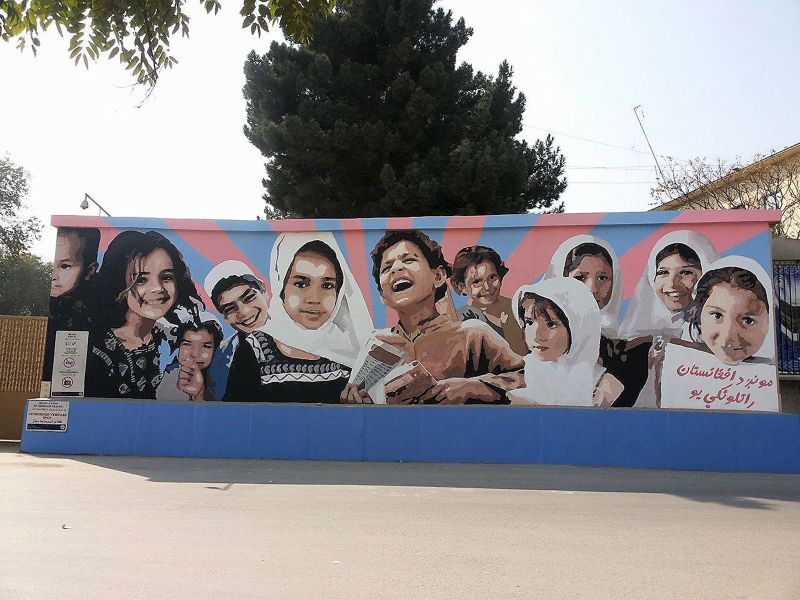
After the Taliban's takeover of Afghanistan in 2021, Afghan artists experienced a tragic transformation in their lives. Art in all its forms was banned, leading to the displacement of many. Today, these artists live in Pakistan, facing new challenges including the threat of deportation and the reality of forced exile.
The suffering of these artists is evident in their loss of freedom of expression and creativity, as Afghanistan has historically been home to a rich artistic culture. However, with the Taliban's return to power, theaters were closed, and art exhibitions were banned, prompting many artists to leave the country in search of a safe haven.
Details of the Situation
The number of Afghan artists who have sought refuge in Pakistan is increasing as they strive to maintain their artistic identity under harsh conditions. They live in camps or temporary homes, relying on humanitarian aid to survive. Nonetheless, the fear of deportation continues to haunt them, as the Pakistani government may take stringent measures against refugees.
These artists also suffer from the inability to practice their art freely, which negatively impacts their mental health. Some have reported feelings of isolation and anxiety, having lost contact with their audiences and loved ones in Afghanistan.
Background & Context
Historically, Afghanistan was a cultural and artistic hub in the region, where arts and music flourished. However, with the escalation of political conflicts and wars, artists faced persecution. The Taliban's return to power in 2021 exacerbated the situation, imposing strict restrictions on the arts.
Pakistan is considered a refuge for many Afghan refugees, but conditions there are not ideal. Artists face economic and social challenges, in addition to the fear of deportation. Furthermore, the Pakistani society may not always be accepting of Afghan arts, complicating their situation further.
Impact & Consequences
This suffering significantly affects Afghan culture, as artists lose the ability to express themselves. The absence of the arts also impacts the cultural identity of future generations, potentially leading to a loss of cultural heritage.
Regionally, these conditions may worsen humanitarian crises, as art is considered part of human identity. The inability of artists to practice their art may contribute to increasing social and political tensions in the region.
Regional Significance
The plight of Afghan artists in Pakistan is an issue of concern for the Arab region, as the arts play a vital role in promoting cultural identity. Supporting Afghan artists can serve as a model for supporting arts and culture in the Arab world.
This issue also highlights the importance of protecting artists' rights worldwide, as the arts reflect cultural diversity and contribute to building bridges of communication between peoples.