Afghanistan is grappling with a severe supply chain crisis, as more than 6,000 containers remain stranded at Jebel Ali port in the UAE due to increasing disruptions in navigation through the Strait of Hormuz. This crisis not only impacts trade but also threatens to exacerbate the shortage of essential goods in a country without maritime access.
Concerns are rising over the spoilage of food and medicine, as traders face additional costs due to delays. Khan Jan Alkozi, the head of the Afghanistan-Pakistan Joint Chamber of Commerce, states that the containers have been stuck for over 20 days, incurring daily fees ranging from $100 to $150 per container.
Details of the Situation
The plight of Afghan traders dates back several months, as their shipments have been disrupted in Pakistani ports due to the closure of trade routes. With a partial release of containers at the beginning of this year, hopes were pinned on their arrival in Afghanistan, but they faced further setbacks in the Gulf due to escalating regional risks.
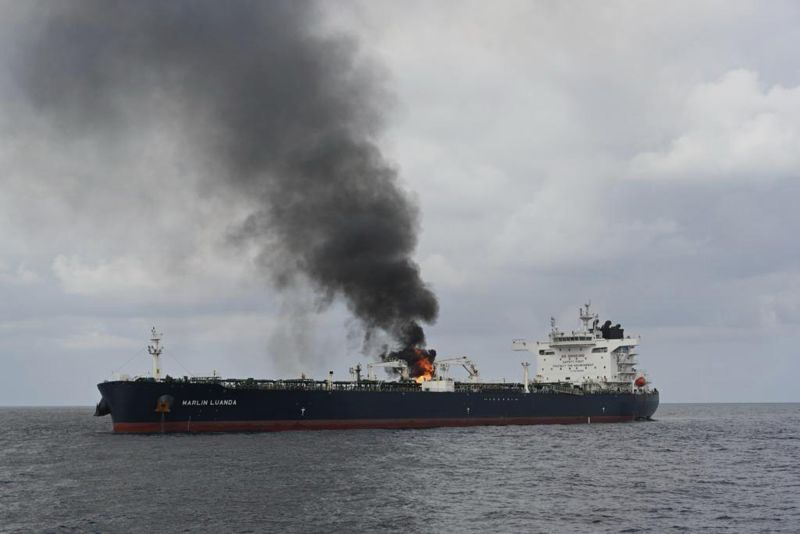
The Strait of Hormuz represents a bottleneck that constrains trade movement, and with rising tensions, the cost of crossing ships has increased, leading to disruptions in cargo shipping. Maritime reports indicate that many container ships have altered their routes or are waiting outside the strait, complicating the situation further.
Background & Context
The current crisis is not new; Afghan traders' containers have been stuck in Pakistan since October of last year due to conflicts and tensions between the two countries. Despite reaching a ceasefire agreement, clashes resumed in February, negatively impacting trade movement.
Under a decision by the Pakistani Ministry of Commerce, several containers were released, but only 10% of them reached Afghanistan, while 70% remain stuck at Jebel Ali. This situation reveals the fragility of the Afghan economy in the face of any disruption in supply chains.
Impact & Consequences
Conditions in Afghan markets are worsening, with prices of essential goods beginning to rise. Ahmad Zahir, a shop owner in Kabul, states that delays in shipments are forcing them to raise prices to compensate for losses, placing additional pressure on the most vulnerable families.
Economic expert Dr. Foad Rahimi pointed out that the continued stoppage of containers will lead to shortages of food and medicine, exacerbating inflation and further deteriorating living standards. The solution requires urgent diplomatic intervention to facilitate the passage of containers.
Regional Significance
This crisis illustrates how regional tensions can impact trade in a landlocked country. The Afghan economy heavily relies on transportation through Pakistan and the UAE, making it susceptible to any escalation in the region.
As crises persist, the fate of thousands of containers remains uncertain, awaiting a resolution that may reopen trade routes or alleviate the burdens of ongoing crises on traders and markets in Afghanistan.