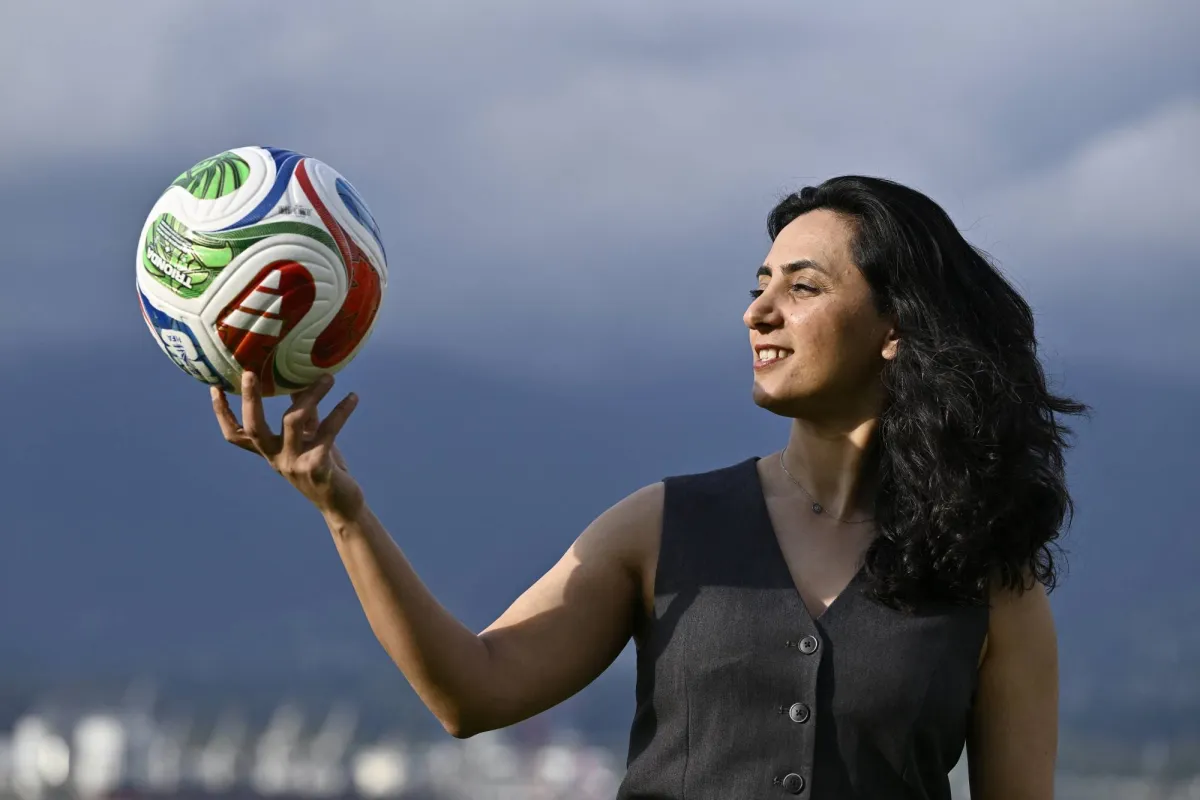
After a hiatus since 2021, FIFA has announced that Afghan female football players can return to international competitions, providing them an opportunity to showcase their skills on a global stage. The former team captain, Khalida Popal, emphasized that the team will become a symbol of resistance for women who continue to fight within the country.
The Afghan national team has not played any official international matches since the Taliban regained power, as authorities imposed strict restrictions on women and girls, affecting education, work, and sports. These restrictions have forced many female athletes to flee Afghanistan or retire from competition.
Event Details
Before the Taliban takeover, Afghanistan had 25 players under official contracts, most of whom now live in Australia. Popal, the founder of the team, stated to Reuters: "Our team has always been known for its active stance." She noted that this opportunity, with the right support from FIFA, will help showcase their skills and develop young talent within the Afghan community.
Currently, the selection process for the unified Afghan women's national team is underway, with FIFA hosting central camps in England and Australia. The team is expected to return to the field in June, although opponents and match venues have not yet been confirmed.
Background & Context
Historically, women's football in Afghanistan has represented a symbol of progress and freedom, with notable growth in this area before the Taliban's return. However, the current situation reflects significant challenges facing women in the country, as their rights are continuously violated.
Khalida Popal and her team strive to be a voice for Afghan women, asserting that participation in sports is not merely a recreational activity, but a means of expressing resistance and resilience. "If we can be a voice for them, sending messages of hope and assuring them that they are not forgotten, we will continue to use our platform to achieve that," Popal stated.
Impact & Consequences
The decision made by FIFA to allow Afghanistan to return to competition transcends the sports framework, reflecting a global commitment to women's rights and equality. The Executive Director of the Sports and Rights Alliance, Andrea Florence, confirmed that this decision is crucial to ensure that all member associations uphold their responsibilities toward human rights.
This shift may contribute to raising global awareness about women's issues in Afghanistan and encourage more women to participate in sports, which could have a positive impact on society as a whole.
Regional Significance
This event holds particular importance for women in the Arab region, where many countries face similar challenges regarding women's rights. The return of the Afghan women's national team may inspire other women in Arab nations to advocate for their rights and engage in sports.
In the current circumstances, supporting women in sports is a vital step toward achieving equality and empowering women in society. The success of the Afghan women's team could motivate many women in the region to pursue their dreams in various fields.
In conclusion, the return of the Afghan women's national team to international competitions is a positive step toward enhancing women's rights in Afghanistan and reflects hope for a better future for women in the country.