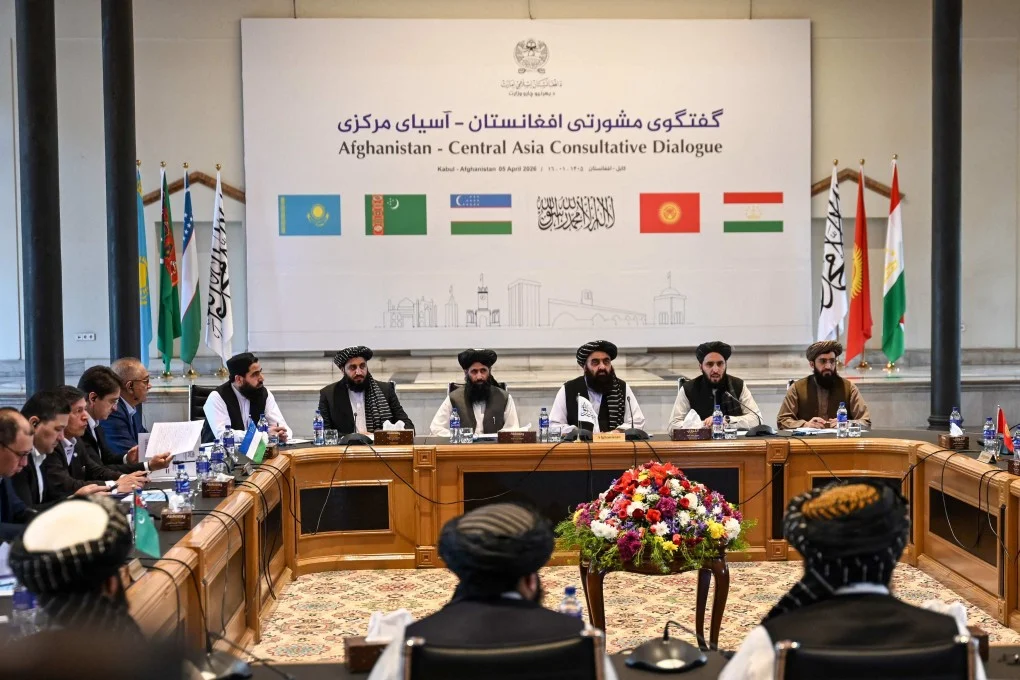
Afghan Foreign Minister Amir Khan Muttaqi has unveiled an ambitious plan to elevate trade between Afghanistan and Central Asian countries to $10 billion within the next three to four years. This announcement came during a dialogue meeting in the capital, Kabul, where he met with representatives from several neighboring countries, including Tajikistan, Turkmenistan, and Kyrgyzstan.
Muttaqi noted that the current trade volume with these countries reached approximately $2.7 billion in 2025, marking a significant increase compared to previous years. This growth reflects Afghanistan's new direction towards enhancing its economic relations with its northern neighbors.
Details of the Meeting
During the meeting, discussions focused on ways to strengthen trade and economic cooperation between Afghanistan and Central Asian nations. Muttaqi emphasized that the Afghan government is working to improve infrastructure and enhance the investment environment to attract more foreign and local investments. The importance of establishing joint projects in the fields of energy and transportation was also highlighted.
This initiative is part of Afghanistan's strategy to bolster economic ties with its neighbors, as the government seeks to leverage its geographical position as a link between Central Asia and South Asia. This approach reflects Afghanistan's desire to open up to regional and international markets.
Background & Context
Historically, Afghanistan has been a crossroads for trade routes between East and West, but political and security conflicts over the past decades have diminished its role as a trading nation. With relative stability following the Taliban's takeover, the new government is striving to rebuild the economy and enhance trade with neighboring countries.
Central Asian countries, such as Tajikistan and Turkmenistan, are strategic partners for Afghanistan, possessing rich natural resources and requiring secure trade routes to transport their products. These relationships are expected to contribute to economic stability in the region.
Impact & Consequences
If Afghanistan succeeds in achieving its goal of increasing trade to $10 billion, it could significantly improve the economic situation in the country and create new job opportunities. Strengthening trade relations with Central Asian nations may also help reduce reliance on international aid.
However, this initiative faces substantial challenges, including the security situation in the country and sanctions imposed on the Afghan government. Therefore, the success of this strategy depends on the government's ability to achieve internal stability and provide a secure environment for investors.
Regional Significance
The trade relations between Afghanistan and Central Asian countries are particularly significant for the Arab region, as they could open new avenues for economic cooperation. Enhancing trade in this area may contribute to stabilizing security and economic conditions, benefiting Arab countries seeking to strengthen their ties with Asia.
In conclusion, Afghanistan's plan to increase trade with Central Asia represents an important step towards rebuilding the economy and enhancing stability in the region. This requires ongoing efforts from the Afghan government to ensure the achievement of these ambitious goals.