Afghans stranded at the Al Udeid camp in Qatar are living in a state of anxiety and fear, facing direct threats from Iranian missiles raining down around them. For over a year, these individuals have been enduring difficult conditions, and now the camp's closure date is nearing without any knowledge of where they will go next.
Behanz Jamshidi, an Afghan mother who has waited at the camp for a year and four months, stated that she has not received any clear information regarding her fate or that of her family. The U.S. government announced that the camp will close on March 31, but they have not been informed of where they will go afterward.
Details of the Situation
As the war between the United States and Israel against Iran continues, the area surrounding the camp is under bombardment, heightening the panic among the residents. In an interview with the media, Behanz confirmed that the residents have not received any updates from U.S. State Department officials, which has exacerbated feelings of neglect.
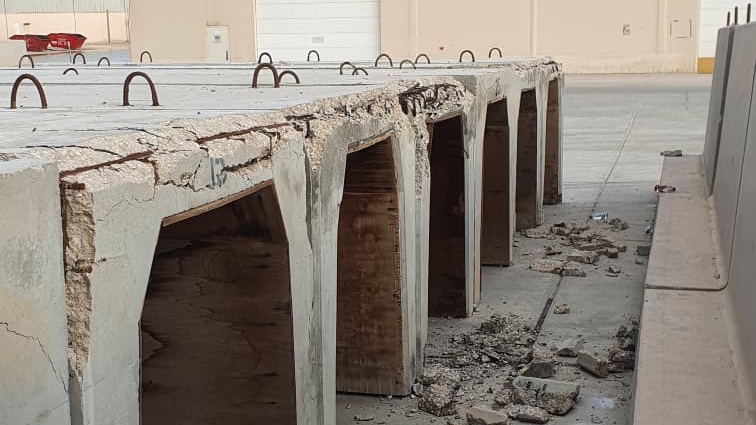
One Afghan youth, who requested anonymity, reported that U.S. forces had installed "concrete bunkers" in the camp, but they were not as safe as they had been told. He mentioned that these bunkers collapsed during the rains, raising questions about their safety.
Background & Context
The Al Udeid camp was established as a transit area for Afghans who had been pre-screened, with the expectation that they would be relocated to the United States after completing all legal procedures. However, many of these Afghans, who had worked with U.S. forces in Afghanistan, now feel forgotten.
Historically, Afghanistan has experienced periods of political turmoil and violence, especially following the withdrawal of U.S. forces in 2021 and the fall of the Western-backed government. This situation has led to an increase in the number of Afghan refugees seeking to relocate to other countries in search of safety.
Impact & Consequences
The plight of the Afghans at the Al Udeid camp exemplifies the failure to fulfill the promises made by the United States to its allies. This situation illustrates how foreign policies can affect individuals' lives, leaving them in a state of uncertainty and fear.
Calls from human rights activists are growing for the U.S. government to find swift solutions for these refugees, as delays in relocating them to safe places could put their lives at risk.
Regional Significance
The repercussions of this crisis extend beyond Afghanistan's borders, raising new concerns about regional stability. Instability in Afghanistan may lead to new flows of refugees into neighboring countries, placing additional pressures on those nations.
Moreover, the situation in Qatar, where these Afghans reside, reflects the challenges faced by Gulf countries in dealing with refugee issues, necessitating a coordinated response from the international community.
In conclusion, Afghans in the Al Udeid camp live under a continuous threat, highlighting the urgent need for permanent solutions for them. The uncertainty surrounding their fate exacerbates their suffering, and the international community must act swiftly to provide support and assistance.