A number of African countries are increasingly looking towards nuclear energy as a means to bolster their power supplies and reduce carbon emissions. However, these nations face considerable challenges related to financing, lengthy timelines, and safety requirements, making it difficult for a few to realize their nuclear ambitions.
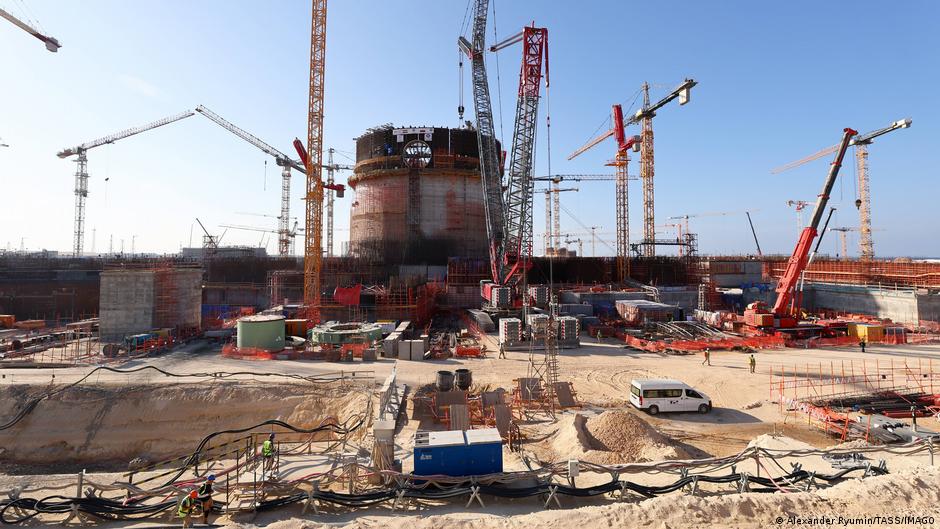
Currently, Africa has only one nuclear power plant located in Cape Town, South Africa, but there are indications that this situation may change soon. According to a report by South African journalist Tristan Taylor, Egypt is the most likely candidate to operate a new nuclear reactor, as Rosatom, the Russian state nuclear energy corporation, began constructing a nuclear power plant in El Dabaa on Egypt's northern coast in 2022.
Nuclear Energy Developments in Africa
Tristan Taylor considers Africa to be a promising market for nuclear energy suppliers, particularly from countries like South Korea, China, and Russia. He noted that these nations are eager to capitalize on the continent's vast potential, but African countries must be financially and administratively prepared to implement these projects.
While some countries like Niger, Mali, and Burkina Faso are seeking to sign nuclear agreements with Russia, these ambitions remain unrealistic as these nations have yet to devise effective plans for executing their nuclear projects.
Historical Context of Nuclear Energy
Historically, nuclear energy has experienced significant fluctuations worldwide. In the 1950s, there were great hopes for the peaceful use of nuclear energy, but major incidents like Chernobyl and Fukushima led to a decline in support for nuclear power in many countries. Nevertheless, nuclear energy is now considered a more environmentally friendly alternative compared to fossil fuels.
The Cape Town nuclear power plant, which began operations in the 1980s with support from a French alliance, is the only nuclear facility in Africa, producing approximately 4% of South Africa's electricity. The plant's operating license has been extended for another 20 years, despite environmental concerns regarding its safety.
Challenges Facing Nuclear Projects in Africa
Nuclear energy projects in Africa face numerous challenges, including safety concerns and high costs. For instance, Ghana is working to develop its nuclear plans in collaboration with countries like France, China, and South Korea, but contract details have yet to be disclosed.
In Kenya, President William Ruto announced the commencement of construction for a 2000 MW nuclear power plant, but there are environmental concerns regarding the project's impact on local communities that rely on Lake Victoria as a primary source of livelihood. Additionally, nuclear waste management remains a contentious issue, as there are no clear solutions for dealing with radioactive waste that lasts for thousands of years.
Implications for the Arab Region
Some Arab countries are also moving towards nuclear energy as part of their sustainable energy strategies. For example, the United Arab Emirates is seeking to develop a peaceful nuclear program, raising questions about how Arab nations will address the challenges associated with nuclear energy, including safety and waste management.
In conclusion, nuclear energy presents a significant opportunity for Africa to meet its growing energy needs, but African countries must overcome financial and administrative challenges to ensure the success of these projects.