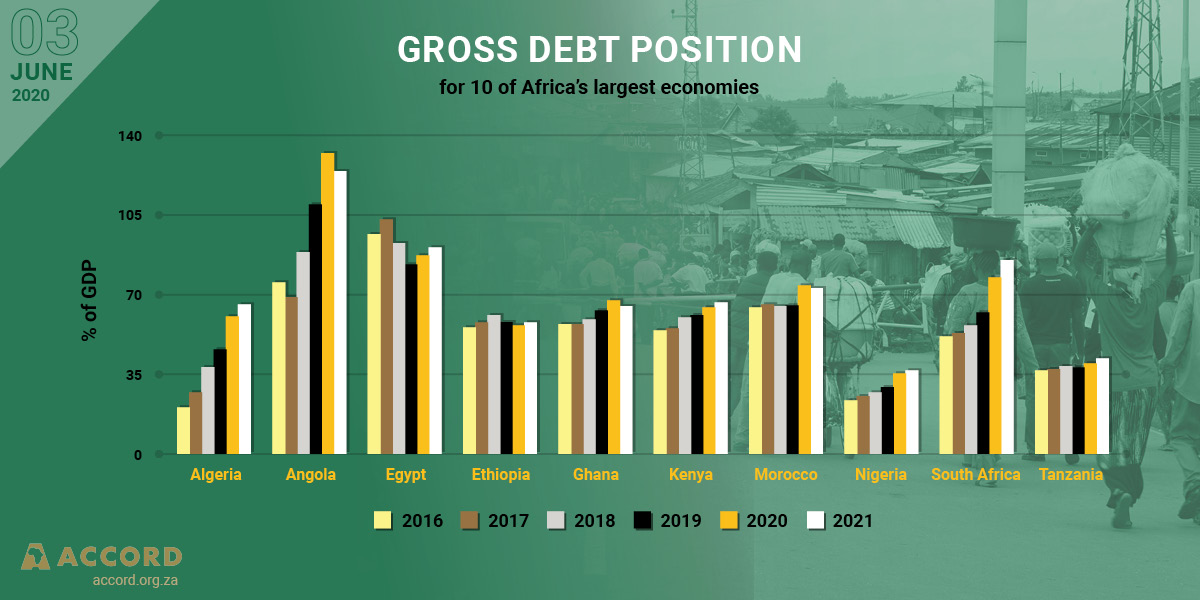
The African continent is once again suffering from a global crisis in which it played no part, as economic and social pressures on its people increase amid changing global conditions. This crisis reflects the fragility of situations in many African countries, which are often victims of crises that arise far from their borders.
This crisis comes at a time when many African nations are still reeling from the impacts of the COVID-19 pandemic, which significantly affected their economies. Additionally, armed conflicts and internal strife continue to negatively impact stability in the region, complicating the situation further.
Details of the Current Crisis
Reports indicate that many African countries are facing escalating challenges, including rising poverty and unemployment rates. For instance, statistics show that over 400 million people in Africa live below the poverty line, making them vulnerable to the repercussions of global crises.
Inflation rates are also rising in many African nations, affecting citizens' purchasing power. In some countries, food prices have surged significantly, worsening living conditions.
Background & Context
Historically, Africa has always been susceptible to global crises, whether economic or environmental. Over the decades, the continent has witnessed numerous crises that have impacted its people, such as the food crisis in the 1970s and the debt crisis in the 1980s. However, the current crises occur within a changing global context, where challenges are increasing due to climate change and geopolitical conflicts.
In recent years, many African countries have attempted to enhance sustainable development strategies, but these efforts are often hindered by global crises. Furthermore, international support remains inadequate to address these challenges.
Impact & Consequences
This crisis affects all aspects of life in Africa, from the economy to education and health. Economic crises are expected to lead to increased migration rates, as many young Africans seek better opportunities abroad.
Health crises may also worsen due to resource shortages, increasing pressure on the fragile health systems in many countries. In this context, it is crucial for African nations to collaborate with the international community to find effective solutions.
Regional Significance
Africa is a neighbor to the Arab region, with both areas sharing historical, cultural, and economic ties. The crises affecting Africa may directly impact Arab countries, particularly in trade and investment sectors.
Moreover, stability in Africa is vital for regional security. Therefore, Arab nations should play a larger role in supporting development efforts in Africa by providing aid and enhancing economic cooperation.
In conclusion, the current crisis in Africa demonstrates how the continent continues to suffer from the repercussions of global crises, necessitating an urgent response from the international community. There must be joint efforts to ensure sustainable development and stability in the region.