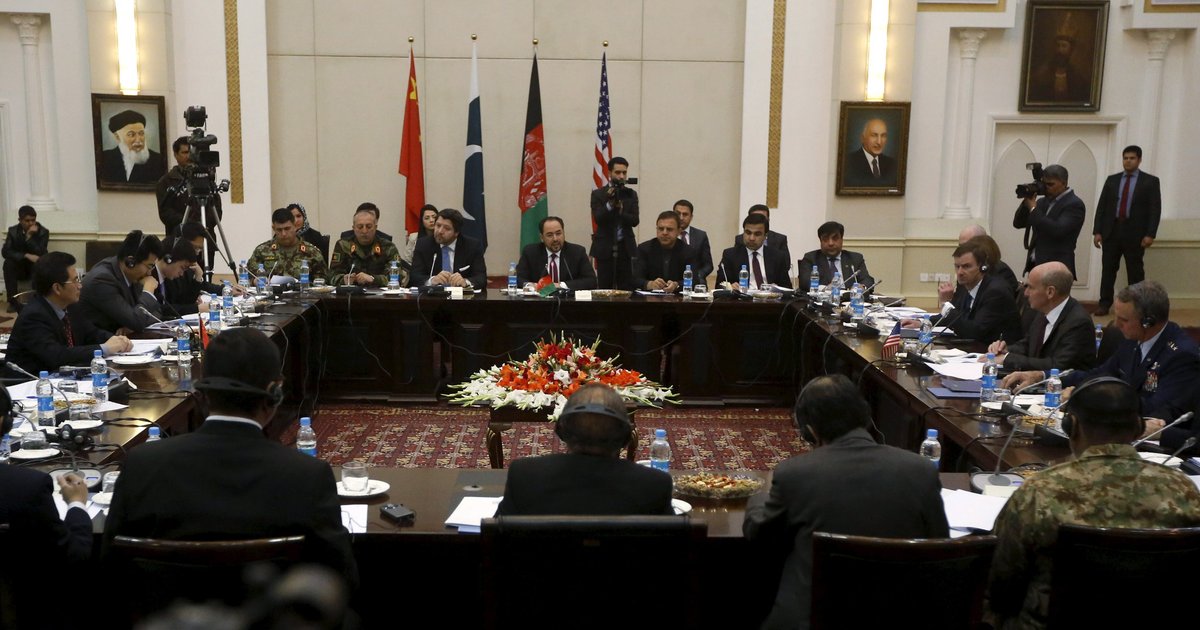
The Chinese Foreign Ministry reported on Friday that ongoing negotiations between Pakistan and Afghanistan in Urumqi have made significant progress, with consensus reached on several practical steps. This development comes at a time when the security situation between the two countries is notably escalating, making Chinese mediation efforts particularly important.
In a statement by the ministry's spokesperson, Mao Ning, it was confirmed that China has acted as a mediator by maintaining open lines of communication with both parties, contributing to creating a conducive environment for dialogue. Both Pakistan and Afghanistan expressed their appreciation for China's efforts and showed readiness to return to the negotiating table.
Details of the Negotiation Event
The negotiations are taking place between delegations from Pakistan and Afghanistan in Urumqi, representing an important step toward reducing tensions along the shared border. The spokesperson for the Chinese Foreign Ministry noted that the process is progressing gradually, with understandings reached on specific issues related to borders and security.
This negotiation comes at a sensitive time, as clashes between the armed forces of Pakistan and Afghanistan have escalated along the border. China has positioned itself as a mediator in this crisis, reflecting its increasing role in regional affairs.
Background & Context
Historically, relations between Pakistan and Afghanistan have suffered from tensions due to border disputes and political differences. In recent years, clashes have escalated, particularly following the return of the Taliban to power in Afghanistan. This situation has complicated relations between the two countries, making the need for effective mediation urgent.
China, seeking to enhance its influence in the region, has played a mediating role in various regional conflicts. It has shown significant interest in achieving stability in Afghanistan and Pakistan, given the importance of both countries in the Belt and Road Initiative.
Impact & Consequences
If the negotiations succeed in achieving tangible results, they could contribute to reducing security tensions in the region, potentially leading to greater stability in Afghanistan and Pakistan. This stability could open the door for enhanced economic and trade cooperation between the two countries, which is also a goal for China.
On the other hand, continued tensions could exacerbate security conditions, negatively affecting international efforts aimed at rebuilding Afghanistan and achieving peace in the region. Therefore, the success or failure of these negotiations will have far-reaching implications for regional security.
Regional Significance
The relations between Pakistan and Afghanistan are of particular importance to the Arab region, as stability in these countries can impact overall regional security. Any escalation in the conflict could have repercussions for neighboring countries, including Iran and the Gulf states.
Moreover, the success of the negotiations could encourage Arab countries to enhance their role in mediating regional conflicts, reflecting a shift in the political dynamics of the region.