Two American officials revealed to Axios that American and Iranian negotiators have reached an agreement to extend a memorandum of understanding for 60 days. This agreement is part of ongoing efforts to ease tensions between Washington and Tehran, as both sides seek common ground that contributes to regional stability.
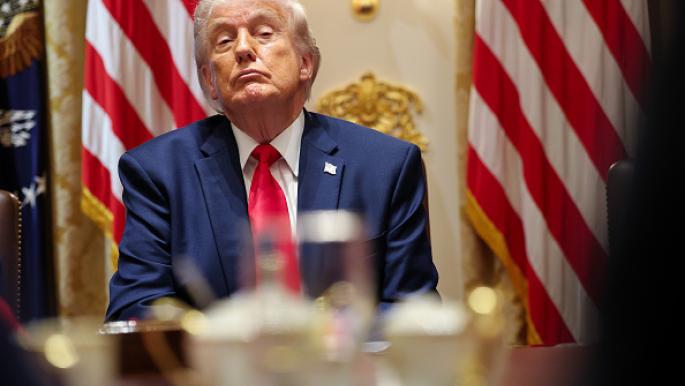
This development is considered a significant step in bilateral relations, especially given the changing political circumstances in the United States. The reaction of President Donald Trump to this agreement is awaited, as it could greatly influence the course of future negotiations.
Details of the Agreement
According to the officials, this agreement was reached after rounds of intensive negotiations, focusing on key issues of mutual interest. The extension of the ceasefire presents an opportunity for both sides to reassess their strategies and consider future steps that may lead to improved relations.
This agreement comes at a time when the world is witnessing increasing tensions, particularly in the Middle East, where political and economic interests overlap. Additional details about this agreement are expected to be announced in the coming days.
Background & Context
Historically, U.S.-Iranian relations have experienced significant fluctuations, influenced by numerous political and economic events. Since the United States withdrew from the Iranian nuclear deal in 2018, tensions between the two countries have escalated, resulting in stringent economic sanctions imposed on Iran.
In recent years, several countries, including European nations, have attempted to mediate between Iran and the United States, but talks have often faced obstacles. The current agreement is seen as a glimmer of hope for reopening channels of dialogue between the two sides, which could contribute to greater stability in the region.
Impact & Consequences
If this agreement is confirmed by President Trump, it could lead to a de-escalation of tensions in the Middle East. This development may also encourage other countries to engage in similar negotiations, thereby enhancing regional security.
On the other hand, this agreement may face opposition from certain factions within the United States, particularly from those who believe that Iran still poses a threat to U.S. national security. Therefore, political reactions will be crucial in determining the future of this agreement.
Regional Significance
This agreement represents a potential turning point in relations between Iran and Arab countries. It could help reduce tensions between Iran and some Gulf states, thereby enhancing opportunities for regional cooperation.
Moreover, the stabilization of relations between the United States and Iran may positively impact the economic conditions in the region, potentially leading to improved economic circumstances in countries affected by sanctions.
In conclusion, it remains to be seen how events will unfold in the coming days and whether this agreement will open new avenues for dialogue between the United States and Iran.