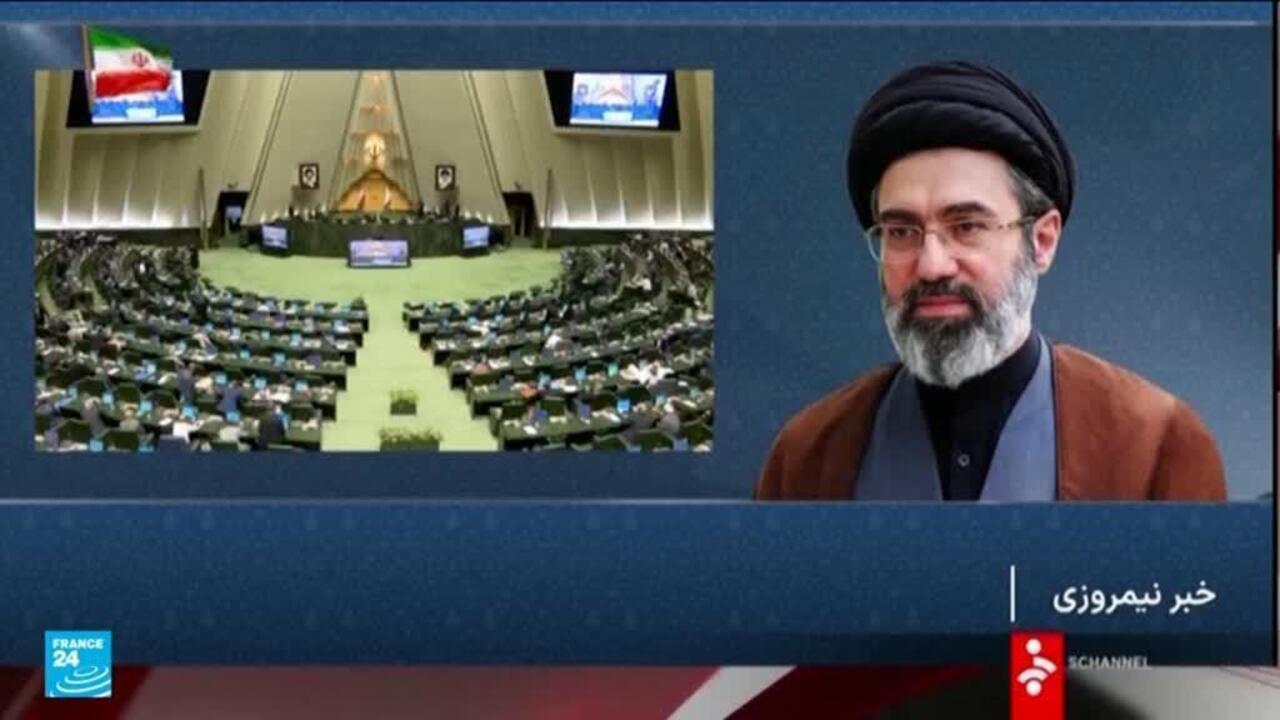
American and Iranian negotiators have reached a framework agreement to extend the ceasefire in the Middle East conflict for 60 days, according to American sources reported by Agence France-Presse. This agreement comes at a sensitive time, as both sides aim to tackle the unresolved points that hinder reaching a final agreement.
The plan reached in the recent negotiations includes new mechanisms for monitoring the ceasefire, in addition to enhancing cooperation between the two sides in other areas. However, this plan still requires approval from President Donald Trump, placing its future in a state of uncertainty.
Details of the Negotiations
These negotiations come at a time when tensions are escalating in the region, with several countries experiencing armed conflicts that affect regional stability. The parties involved have expressed a desire to reach a peaceful solution, especially amid increasing international pressure to end the conflicts.
A ceasefire is considered an important step towards achieving peace, as both sides seek to avoid further military escalation that could exacerbate the humanitarian situation in the region. These negotiations could represent a turning point in the relations between the United States and Iran, which have seen significant tensions in recent years.
Background & Context
Historically, American-Iranian relations have experienced numerous fluctuations, with periods of cooperation and others of conflict. Since the United States withdrew from the Iranian nuclear agreement in 2018, tensions have significantly escalated, leading to the imposition of severe economic sanctions on Iran.
In recent years, there have been multiple attempts to revive dialogue between the two sides, but these efforts have not yielded tangible results so far. These negotiations are part of broader international efforts aimed at achieving stability in the Middle East, where major powers play a pivotal role in shaping regional policies.
Impact & Consequences
If a final agreement is reached, it could lead to a reduction in tensions in the region, contributing to improved humanitarian conditions and enhancing the prospects for peace. Additionally, the success of these negotiations could open the door for further cooperation between the United States and Iran in other areas, such as the economy and security.
On the other hand, the failure of the negotiations could lead to a new escalation in conflicts, threatening regional stability and increasing civilian suffering. Therefore, monitoring the developments of these negotiations is vital for all parties involved.
Regional Significance
The developments in American-Iranian relations directly impact the situation in Arab countries, especially those experiencing conflicts such as Syria and Yemen. Any agreement could help reduce tensions between Iran and Gulf states, potentially leading to greater stability in the region.
Moreover, the success of the negotiations may encourage other parties in the region to seek peaceful solutions to existing conflicts, thereby enhancing the chances of achieving peace and stability in the future.
In conclusion, all eyes remain focused on the developments of these negotiations, as their outcomes could represent a critical turning point in international relations and the future of the Middle East.