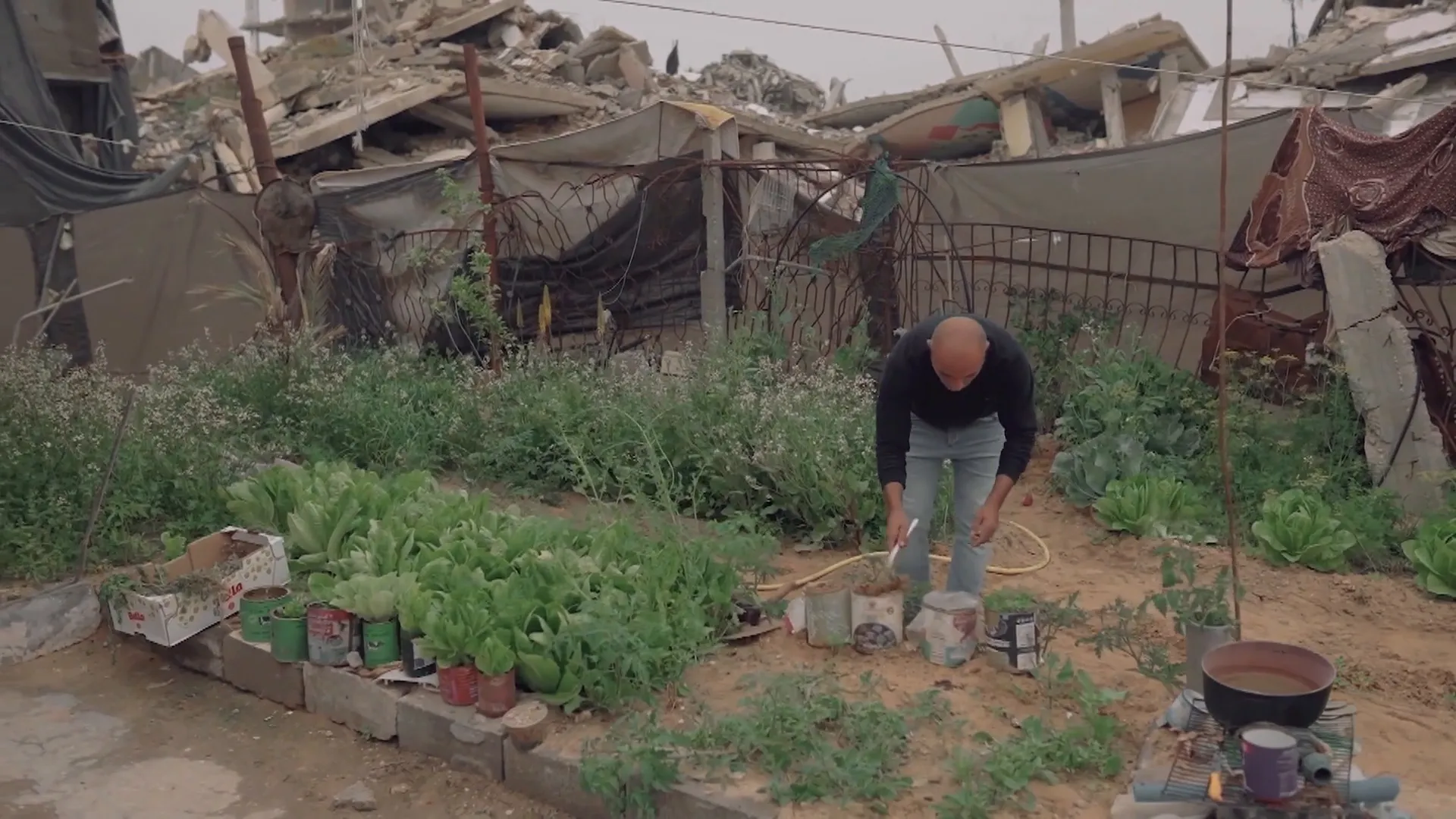
Agriculture in the Gaza Strip is grappling with a suffocating crisis, shifting from an economic activity to a desperate option for survival. Vast areas of land have lost their productive capacity due to restrictions on essential resources and the escalating threat of famine.
In this context, economic expert Maher Al-Tabaa confirmed that the agricultural sector is among the most affected, noting that Israel has targeted agricultural lands, particularly in the eastern regions which represent the bulk of the food basket for the sector.
Details of the Situation
Al-Tabaa explained that Israel controls more than 60% of those areas, leaving only 40% within what is known as the yellow line, exacerbating food insecurity. Additionally, restrictions on the entry of agricultural supplies, such as fertilizers and seeds, have made agricultural production increasingly difficult, deepening the food crisis.
On the ground, the crisis is measured not only in numbers but also in the changes it has brought to people's lives. One resident stated that they used to live on land rich in olives and vegetables before the war altered their lives completely. She emphasized that famine has become a daily reality, as many can no longer afford to buy vegetables and fruits, leading to weakened bodies and reduced mobility.
Background & Context
Historically, the Gaza Strip has heavily relied on agriculture as a primary source of food and income. However, ongoing military escalation and restrictions on movement and resources have led to the deterioration of this vital sector. With the increasing population, the situation has become more complex, as residents face significant challenges in securing their food needs.
It is worth noting that agriculture in Gaza has been an essential part of the region's cultural and economic identity, but war and resource restrictions have led to a significant decline in this sector. As the conflict continues, farmers face additional challenges in maintaining what remains of their lands.
Impact & Consequences
The repercussions of declining agricultural production extend beyond mere food shortages, affecting public health and the local economy. Reports have shown that many families suffer from malnutrition, increasing the risk of diseases and impacting the population's ability to work and produce.
Moreover, the loss of agricultural land affects social stability, as many feel anxious about the future. With rising economic pressures, residents find themselves with limited options, intensifying social and political tensions in the region.
Regional Significance
The situation in Gaza exemplifies the humanitarian crises faced by many regions in the Arab world. With escalating conflicts and resource restrictions, populations are encountering increasing challenges in securing their basic needs. Additionally, food crises in Gaza could impact the stability of the region as a whole, necessitating greater international attention to address these issues.
In conclusion, it is evident that agriculture in Gaza is no longer merely an economic activity; it has become a means of survival in the face of multiple crises. As restrictions and challenges persist, hope for improving the food and economic situation lies in the hands of the international community and relevant stakeholders.