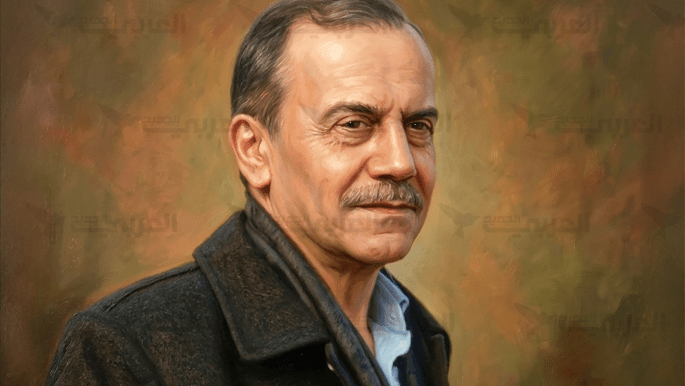
In a move that reflects the life challenges faced by Lebanese citizens, Ahmad Qabbour informed his family two months ago that he purchased a grave in the Martyrs' Cemetery in Shatila. Qabbour received two offers from the cemetery officials, one for a single grave and another for a duplex grave that accommodates two individuals.
This decision comes at a time when Lebanon is suffering from increasing economic and social crises, where securing a resting place for eternity has become a challenge for many. This choice mirrors the bitter reality that citizens endure amid ongoing crises.
Details of the Event
Ahmad Qabbour, who is considered a well-known figure in his community, made this decision after deep contemplation regarding his family's future. Choosing a grave was not a trivial decision but rather an expression of concern about the future and the uncertainty that dominates daily life in Lebanon.
The cemetery Qabbour selected, the Martyrs' Cemetery in Shatila, carries profound historical significance, having witnessed many painful events during the Lebanese Civil War. This place is not merely a burial site but a symbol of collective memory and the pain experienced by the Lebanese people.
Background & Context
Lebanon, which has endured long years of conflict and wars, now faces new challenges manifested in economic and political crises. The deteriorating economic situation has led to rising poverty and unemployment rates, prompting many Lebanese to rethink their future.
In this context, purchasing a grave is considered an unconventional step, yet it reflects a bitter reality that citizens are living. Many feel the need to secure their future even after death, illustrating a state of instability that Lebanese people are experiencing.
Impact & Consequences
This step taken by Qabbour exemplifies how crises influence people's thoughts and behaviors. Instead of focusing on improving their daily lives, they are compelled to think about how to secure a place for themselves after death.
This trend may lead to changes in social culture, where contemplating death and burial becomes part of daily life, increasing psychological pressures on individuals and families.
Regional Significance
The situation in Lebanon serves as a microcosm for many Arab countries facing similar crises. Political and economic conflicts in the region directly impact people's lives, complicating thoughts about the future.
Such phenomena may lead to changes in how Arab societies deal with issues of death and burial, necessitating a reevaluation of the values and traditions associated with these topics.
In conclusion, Ahmad Qabbour's decision to purchase a grave in Shatila reflects the harsh reality faced by Lebanese citizens and raises questions about the future of life and death amid ongoing crises.