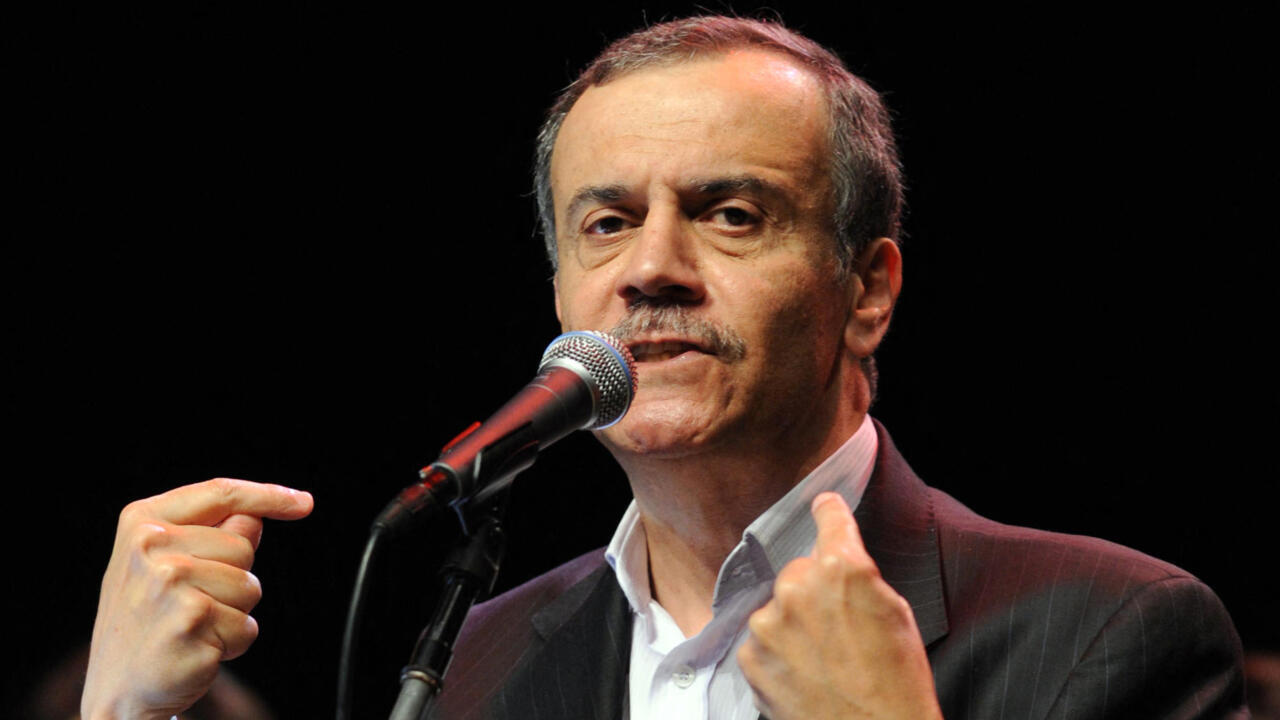
Lebanese artist Ahmad Qabbour, known for his national and committed songs, passed away on Thursday at the age of 71 after a long struggle with cancer. Sources close to his family reported that his funeral will take place on Friday in Beirut, where he will be bid farewell by his loved ones and family.
Qabbour was known as one of the most prominent voices in the Lebanese artistic scene, enriching the artistic landscape with works that reflect the suffering of the Lebanese people, especially in light of the difficult circumstances Lebanon has faced due to the civil war and the situation in the Palestinian territories. His song (Anadikum), written by Palestinian poet Tawfiq Ziad, marked his entry into the world of art, embodying feelings of pain and hope simultaneously.
Event Details
Ahmad Qabbour was born in Beirut in 1955, into an artistic family where his father, Mahmoud Al-Rashidi, was a well-known violinist. Qabbour was influenced by his father's melodies and the atmosphere of popular art in Lebanon, which contributed to shaping his artistic personality. Throughout his career, which spanned over five decades, Qabbour presented a collection of songs that remain etched in the memories of the Lebanese, such as (Ya Rayih Sawb Biladi) and (Beirut Zahra).
Qabbour also produced works aimed at children, composing and singing many songs that delighted both young and old alike. Among his theatrical works, he stood out with songs from the plays (Shu Sar Bi Kfar Menkhar) and (Kullo Min Al-Zaybaq), making him a beloved figure in the hearts of children.
Background & Context
The committed song is considered an essential part of the Lebanese cultural identity, reflecting the experiences and pains of the people. Qabbour contributed to promoting this genre of art through his works that addressed political and social themes. Amid the challenging circumstances Lebanon has faced, his songs served as a cry expressing the suffering of the people, making him a symbol of committed art.
It is noteworthy that Qabbour was not only an artist but also an actor, participating in several series and films, including the series (Nadam) in 1989 and the film (Naji Al-Ali) in 1992. These works contributed to enhancing his status in the Arab artistic scene.
Impact & Consequences
Qabbour's passing represents a significant loss for Lebanese and Arab art, as he left behind a rich legacy of works that reflect human concerns. Many political and artistic figures mourned his passing, indicating his substantial impact on society. Among the mourners were Lebanese politician Saad Hariri and the Palestinian Ministry of Culture, reflecting the cultural ties between Lebanon and Palestine.
Qabbour's influence extends to new generations, as his songs continue to be sung and listened to by the youth, reflecting the continuity of his artistic message. At a time when Lebanon faces new challenges, his works remain present as a cultural and artistic reference.
Regional Significance
The passing of Ahmad Qabbour marks a significant milestone in the history of Arabic song, as he was one of the voices that expressed the issues of the Arab nation. Amid the multiple crises facing the region, his works stand witness to the suffering and hopes of the people. The loss of Qabbour also reflects the absence of committed voices that articulate the issues of the people, raising questions about the future of committed art in the Arab world.
In conclusion, Ahmad Qabbour remains a symbol of committed art that expresses human concerns, and his artistic legacy will continue to resonate in the memories of future generations.