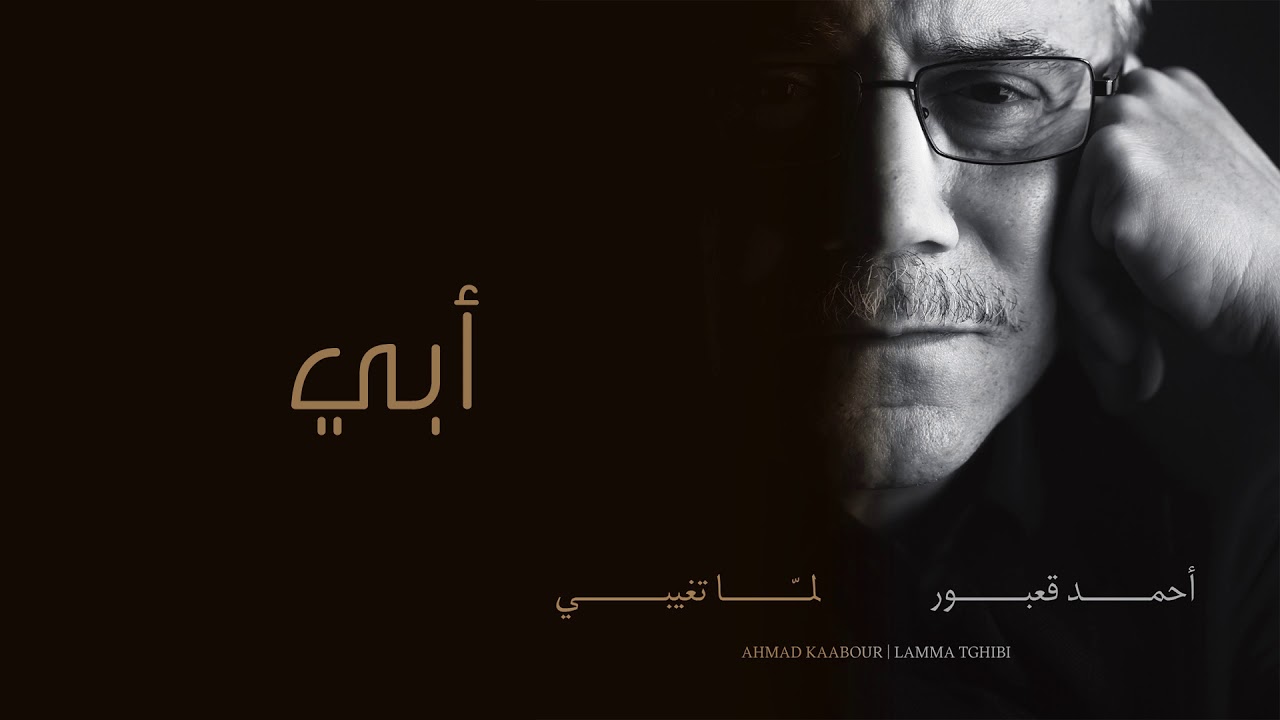
Lebanese artist Ahmad Qabour, one of the most prominent voices expressing human issues, has passed away, leaving behind a rich artistic legacy. Qabour was known for his deep commitment to the Palestinian cause, singing for its people both inside and outside the country, including in Lebanon and the diaspora. Even during the toughest moments of his illness, he did not hesitate to present his songs, with his famous song "Anadikum" considered one of the most significant anthems associated with the Palestinian cause, especially during the Israeli invasion of Lebanon in 1982.
Born in 1960, Ahmad Qabour began his artistic career in the early 1980s, establishing a distinctive place for himself in the Arab artistic scene. Qabour was characterized by his warm voice and profound lyrics that reflect the suffering of the Palestinian people, making him a symbol of cultural resistance.
Details of the Event
Qabour's passing came after a long battle with illness, during which he underwent intensive treatment in recent years. Nevertheless, he continued to perform, demonstrating his passion for art and his desire to convey his humanitarian message. His songs were not just entertainment but were cries expressing the pains and hopes of the Palestinian people, making him beloved among audiences across the Arab world.
Among his most notable works are "Anadikum" and "Nahna Al-Nas", which reflected the spirit of resistance and hope. These songs contributed to raising awareness of the Palestinian cause and established Qabour as a significant voice in the artistic and political arena.
Background & Context
Historically, national songs in the Arab world have been linked to liberation and resistance issues. Political and social events have shaped the identities of Arab artists, who used their art as a means to express their positions. Ahmad Qabour was part of this movement, as his artistic career began at a time when the Arab world faced significant challenges.
Qabour's works were heavily influenced by political events in Lebanon and Palestine, as he reflected in his songs the suffering of the Palestinian people under occupation. These songs contributed to enhancing national spirit among the masses, making him a symbol of resistant art.
Impact & Consequences
The passing of Ahmad Qabour represents a significant loss for Arab art, as he had a profound impact on new generations of artists. His songs were not merely entertainment but expressions of deep humanitarian issues, ensuring they remain present in collective memory. His departure highlights the importance of art in supporting humanitarian causes and emphasizes the role of artists in shaping social and political awareness.
Qabour's influence extends beyond music, as he played a role in enhancing Arab cultural identity, especially amid the challenges facing the region. His works contributed to fostering cultural dialogue among peoples, making him an unforgettable figure in the history of Arab art.
Regional Significance
Qabour's passing comes at a sensitive time for the Arab region, where political and social challenges are increasing. The loss of a voice like Qabour leaves a void in the artistic scene and reflects the urgent need for art that expresses the issues and pains of the people. Amid the multiple crises facing Arab countries, art remains a means of expressing hope and resistance.
The legacy of Ahmad Qabour will remain present in the hearts of his fans, and his songs will continue to be echoed at national and social events, serving as a testament to a long history of struggle and hope. His departure calls us all to reflect on the importance of art as a means of change and expression of identity.