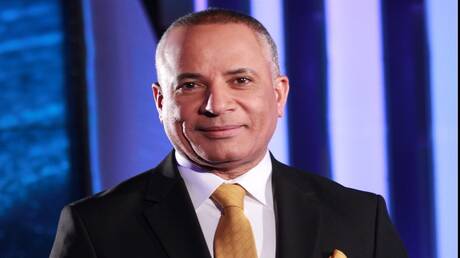
Egyptian journalist Ahmed Moussa announced his intention to take legal action against anyone who shared an offensive video of him, which shows him wearing a suit covered with solar panels, altered using artificial intelligence techniques. This video, which has sparked widespread controversy on social media platforms, depicts Moussa in an inappropriate manner, prompting him to respond firmly.
In his statements, Moussa confirmed that he would not tolerate anyone contributing to the spread of this offensive content, indicating that the use of artificial intelligence in video editing poses a threat to freedom of expression and negatively impacts individuals' reputations. He also added that this phenomenon requires serious action from the relevant authorities to protect individuals from such assaults.
Details of the Incident
The controversial video was widely circulated on social media platforms, utilizing advanced image editing techniques that made it appear realistic. This led to varied reactions from followers, with some considering that this type of content aims to tarnish the reputations of public figures.
Moussa, known for his strong positions in the media, did not hesitate to express his dissatisfaction with such attacks, noting that this is not the first time he has faced such assaults. He called for the need for strict laws to combat these phenomena.
Background & Context
This incident comes at a time when the Arab world is witnessing an increase in the use of artificial intelligence technologies, raising questions about their impact on media and digital content. These technologies have become a powerful tool that can be used for positive purposes, but at the same time, they can be exploited negatively to distort facts.
In recent years, the Arab region has seen many similar incidents, where image and video editing techniques have been used to convey political or social messages. This highlights the urgent need for a legal framework to regulate the use of these technologies and protect individuals from digital assaults.
Impact & Consequences
Moussa's escalation of his stance may open the door for discussions on how to deal with offensive content online. The legal actions he intends to take could encourage other public figures to take similar steps to protect their reputations.
This incident may also raise awareness about the risks associated with using artificial intelligence technologies in content production, potentially prompting relevant authorities to consider new legislation to protect individuals from these assaults.
Regional Significance
This incident serves as an example of the challenges faced by Arab societies in the digital information age. Social media has become an open arena for discussions, but at the same time, it can be used as a tool for defamation.
Enhancing awareness about the use of artificial intelligence technologies and their impact on media and society is essential. Furthermore, the dialogue surrounding laws and regulations related to cybercrimes should be part of the public discourse in the region.
In conclusion, this incident represents a call to think about how to protect individuals from digital assaults and emphasizes the importance of having a legal framework that safeguards individual rights in an era where digital challenges are increasing.