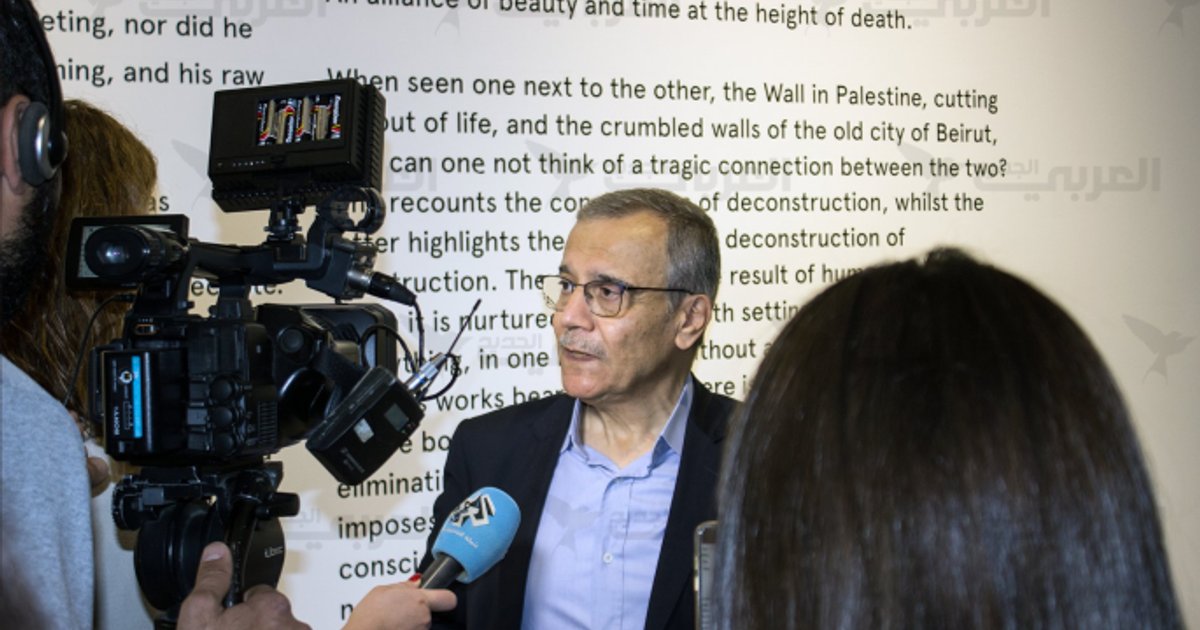
Palestinian artist Ahmed Qabour, known for his national and resistance songs, has passed away after a long struggle with illness. His departure comes at a sensitive time as Israeli forces advance once again towards the Litani River, which Qabour famously sang about in his renowned song: "Ya Rayeh Sawb al-Litani".
Born in 1960, Qabour was a symbol of Palestinian art, producing numerous works that reflect the suffering and history of the Palestinian people. His songs contributed to the enhancement of Palestinian identity and held a special place in the hearts of many.
Details of the Event
Qabour died in a hospital in the Lebanese capital, Beirut, after suffering a decline in his health over recent years. Many artists and public figures mourned his passing, emphasizing his significant impact on the artistic scene. Qabour released several albums that gained wide popularity and participated in numerous cultural events that promoted the Palestinian cause.
At the same time, tensions in the region are escalating, with Israeli forces continuing their advance towards the Litani River, increasing anxiety among local residents. This river, considered a symbol of Palestinian heritage, has witnessed many historical events and forms part of the cultural identity of Palestinians.
Background & Context
Historically, the Litani River is one of the important natural landmarks in Lebanon and Palestine, associated with many political and social events. In recent decades, the region has experienced numerous conflicts that have affected the lives of its people, making Qabour a voice that expresses their pains and hopes.
The song "Ya Rayeh Sawb al-Litani," sung by Qabour, has become a symbol of resistance and hope, reflecting the desire to return to one's homeland. This song has helped to enhance national spirit among Palestinians, making Qabour a pivotal figure in Palestinian culture.
Impact & Consequences
Qabour's passing comes at a sensitive time, as tensions in the region are on the rise. This may affect the psychological state of Palestinians, who view art as a means of expressing their suffering. Additionally, the escalation of military operations in the area may increase pressure on the population, highlighting the need for more cultural and artistic support.
Artists and intellectuals in the Arab world are now called to intensify their efforts in supporting the Palestinian cause, especially under the current circumstances. The loss of Qabour represents a significant loss, but his artistic legacy will remain alive in the hearts of the people.
Regional Significance
Qabour's passing is a painful event not only for Palestinians but for many Arabs who were influenced by his works. Art is a means of expressing identity and belonging, and Qabour represents a model of an artist who used his voice to convey the suffering of his people.
In light of current conditions, it is imperative for Arab artists and intellectuals to unite in facing challenges and to continue supporting humanitarian issues. The loss of Qabour reminds us of the importance of art in enhancing cultural and political awareness in the region.
In conclusion, Ahmed Qabour remains a symbol of Palestinian art, and his departure leaves a significant void in the cultural scene. However, his artistic legacy will continue to inspire future generations.