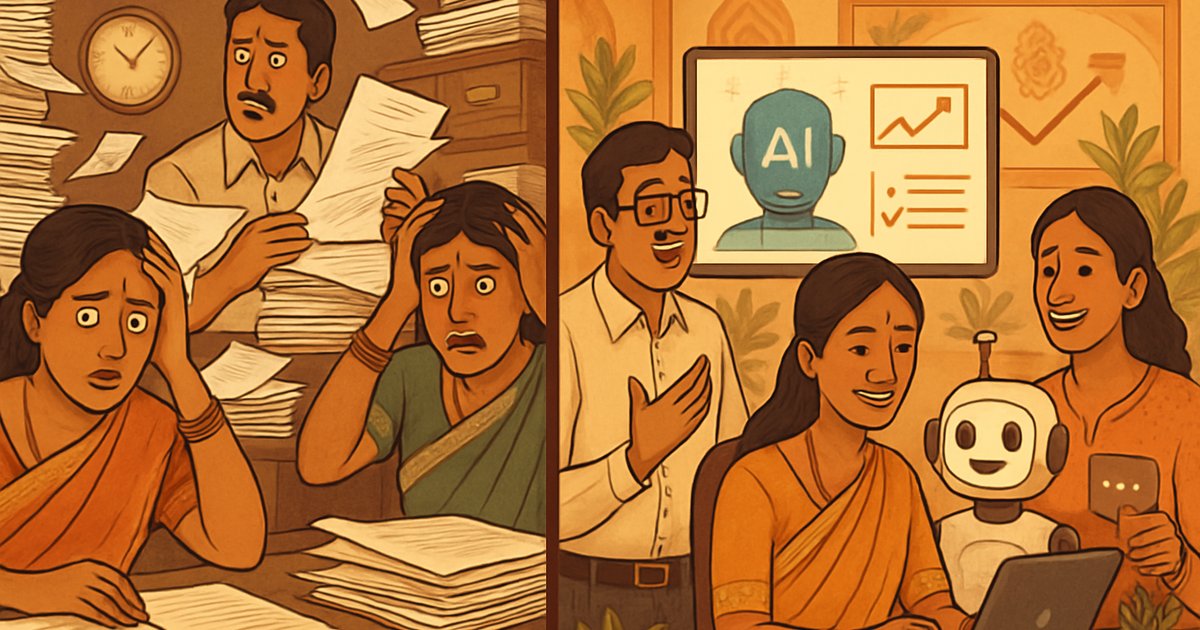
Recent studies have shown that the use of AI assistance may not be the magic solution many expect; in fact, it can sometimes lead to increased workplace burnout. In her conversation with Kristina Ruffini, Shona Ghosh, technology editor at Bloomberg, emphasized that these tools may contribute to heightened stress rather than alleviating it.
These statements come at a time when reliance on technology in the workplace is increasing, as many employees seek to leverage AI to facilitate their daily tasks. However, the outcomes appear to be less than expected, prompting a reevaluation of how this technology is utilized.
Details of the Discussion
During the discussion, Ghosh pointed out that many employees feel increased pressure due to their reliance on AI assistance. Instead of helping them complete tasks more quickly, these tools can complicate matters and lead to feelings of exhaustion.
She also highlighted the urgent need to understand how this technology affects employees' mental health. While AI assistance aims to enhance productivity, it can have counterproductive results if not used correctly.
Background & Context
Historically, workplaces have undergone significant transformations towards the use of modern technology, including AI. As this technology advances, it becomes essential to assess its impact on employees. In recent years, there has been a growing focus on the importance of mental health in the workplace, making it crucial to study the effects of AI on these aspects.
In many companies, AI tools have been introduced with the goal of improving efficiency and reducing the time spent on routine tasks. However, studies indicate that these tools may lead to increased feelings of pressure and burnout.
Impact & Consequences
Research suggests that excessive reliance on technology may deteriorate employees' mental health. While many strive to achieve a balance between work and personal life, AI tools can exacerbate psychological pressures.
Moreover, this phenomenon may affect overall productivity, as burnout can lead to decreased performance and increased absenteeism. Therefore, it is vital for companies to adopt effective strategies to address these challenges.
Regional Significance
In the Arab region, where many countries are witnessing a shift towards digitization, understanding how AI affects workplace environments becomes essential. As reliance on technology increases, Arab companies must be aware of the potential challenges they may face.
These discussions can help raise awareness about the importance of mental health in the workplace, contributing to improved work environments in the region. There should be collaborative efforts to ensure that technology serves employees rather than becoming a burden.