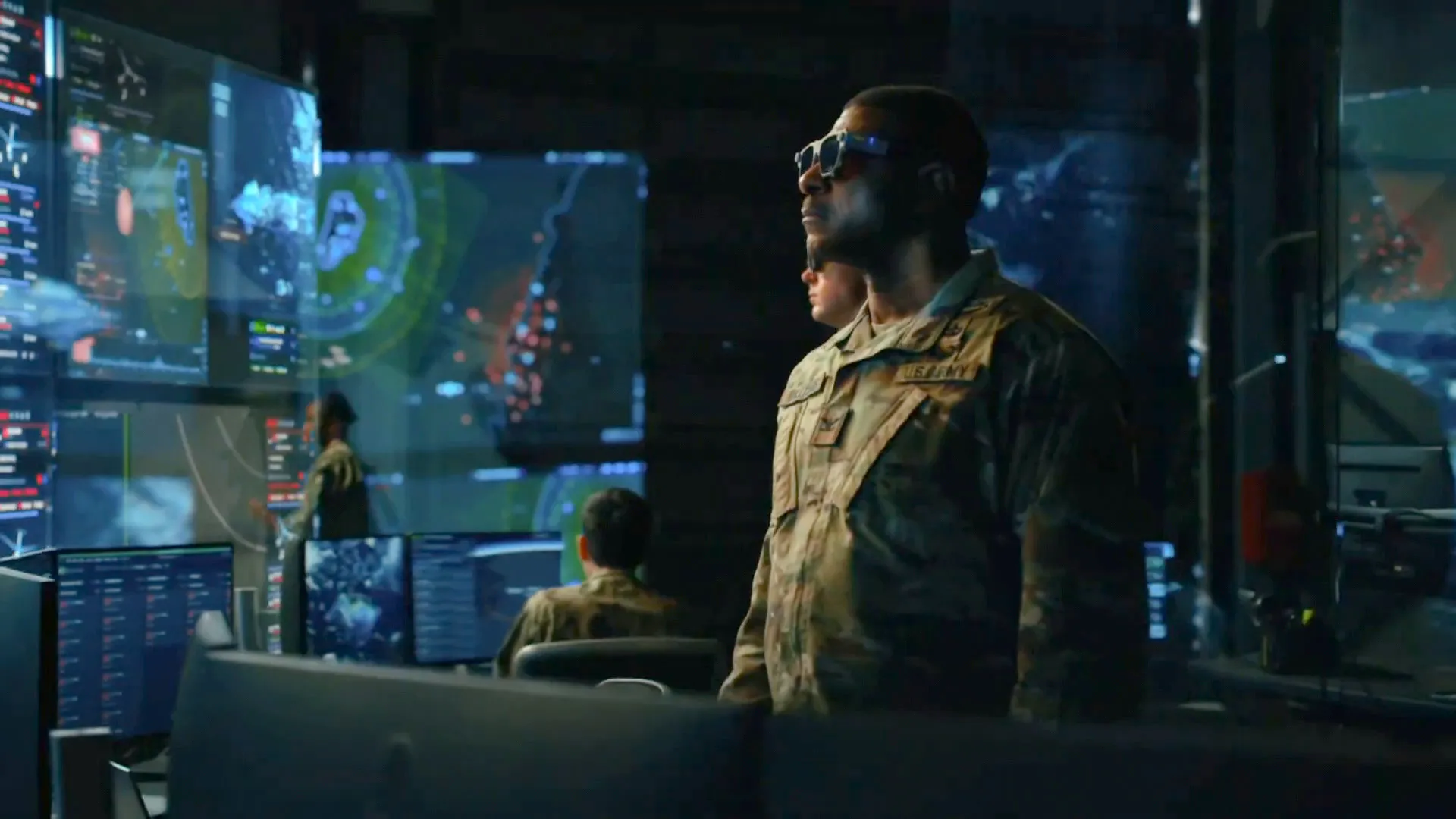
The 'Miven' system, adopted by the US Department of Defense (Pentagon), has proven its capability to convert intelligence data into precise military targets in mere seconds, raising questions about the role of humans in making decisions of war and peace. This system relies on artificial intelligence, allowing just twenty operators to accomplish the tasks of two thousand intelligence officers.
During an episode of the program 'Smart Life', the use of 'Miven' in the 'Epic Fury' operation launched by the United States against Iran in February was highlighted, showcasing the system's exceptional ability to process vast amounts of data at a speed surpassing human capability.
Details of the Event
On February 28, 2026, the United States launched the 'Epic Fury' operation against targets linked to Iran, with the 'Miven' system being the primary driver behind the decision to execute thousands of airstrikes with high algorithmic precision. The US Central Command confirmed that this system was not limited to surveillance but was effective in identifying targets and executing strikes with extreme accuracy.
It is noteworthy that 'Miven' was not merely a technical experiment but evolved into a real tool in the military operations theater. Initially developed in collaboration with Google, the company's withdrawal due to employee protests against the militarization of technology opened the door for other tech companies to develop the system.
Background & Context
The 'Miven' system was established as part of the United States' efforts to enhance its intelligence and military capabilities, relying on the integration of satellite data, drones, and sensors into a single interface. This development reflects a significant shift in how modern wars are managed, with data playing a pivotal role in military decision-making.
As reliance on artificial intelligence increases, questions arise about the future of warfare, especially with the noticeable reduction in time allocated for human scrutiny. Officers may become mere validators of what the screen selects, raising concerns about the accuracy of the decisions made.
Impact & Consequences
The 'Miven' system raises issues related to national sovereignty, as the state relies on technologies owned by private companies in Silicon Valley for its military decisions. This dependence may limit the government's ability to modify or replace these systems easily, making them susceptible to commercial and political influences.
Moreover, a report from the Inspector General highlighted the lack of formal documentation for monitoring the billion-dollar contracts related to the system, with the value of contracts jumping from $480 million in 2024 to approximately $1.3 billion this year. This underscores the urgent need for effective oversight mechanisms to ensure transparency in the use of these technologies.
Regional Significance
The use of artificial intelligence in warfare represents a significant shift that could impact stability in the Arab region. As reliance on these technologies increases, countries may become more susceptible to heightened military use, exacerbating tensions and conflicts.
In conclusion, the emergence of the 'Miven' system raises profound questions about the future of warfare, where the question is no longer who possesses the strongest weapon, but who owns the fastest algorithm for converting data into targets. This transformation could reshape military doctrine and influence how conflicts are managed in the future.