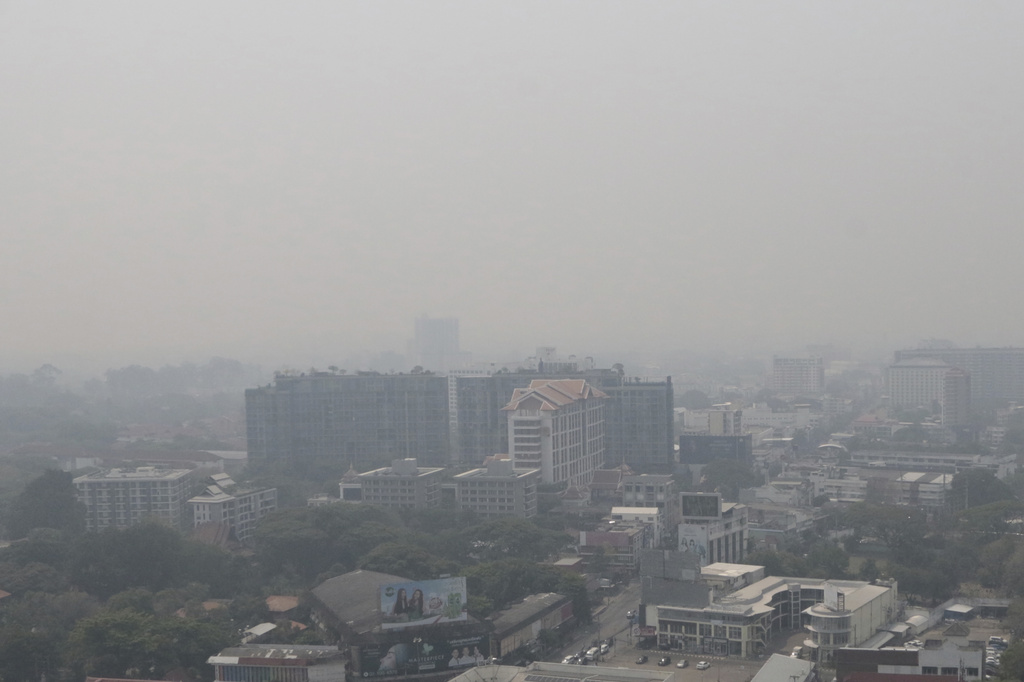
Chiang Mai, the renowned tourist destination in northern Thailand, is grappling with a serious health crisis due to unprecedented levels of air pollution. Reports indicate that levels of fine particulate matter, known as PM2.5, have exceeded safe limits, leading to severe health impacts for residents.
Local coconut vendor Boone Dukim, 36, shares that the smog has caused her nose to bleed, reflecting the tragic situation many in the area are enduring. She adds, "It feels suffocating, like you are constantly trapped in smoke."
Details of the Crisis
Chiang Mai, Thailand's second-largest city, has been ranked among the most polluted cities in the world this week, topping the list on the IQAir air quality monitoring site. Some neighboring areas, such as Pai, recorded PM2.5 levels exceeding 900 micrograms per cubic meter, which is over 60 times higher than the recommended limit set by the World Health Organization.
Several factors contribute to the exacerbation of this crisis, including seasonal agricultural fires and weather conditions that hinder smoke dispersion. Additionally, the mountainous geography of the region makes it more susceptible to smoke accumulation, intensifying the problem.
Background & Context
Air pollution in Thailand is an annual phenomenon, recurring during certain seasons due to agricultural activities and fires. However, the current situation is considered the worst in years, with local residents expressing increasing concern about their health. Doctors have noted that pollution particularly affects children and the elderly, necessitating immediate action.
In an attempt to mitigate the effects of pollution, the government has installed hundreds of "dust-free rooms" equipped with air purifiers in places like nursing homes. Nevertheless, these measures are insufficient to address the escalating crisis.
Impact & Consequences
Reports indicate that pollution is impacting tourism, a key pillar of the local economy. Tuk-tuk drivers have noticed a decline in tourist numbers, reflecting the negative impact of the crisis on businesses. One driver states, "Chiang Mai is usually bustling in March and April, but this year, the situation is very quiet."
The health situation also requires urgent attention, as doctors warn of the long-term health consequences of pollution, such as respiratory diseases and cancer. Dr. Thanakrit Im-Yam emphasizes that "these toxins and heavy metals enter the body directly, leading to serious health issues."
Regional Significance
Air pollution is a global issue affecting many countries, including Arab nations. Some Arab cities suffer from air pollution due to industrial activity and traffic congestion, necessitating effective measures to improve air quality. Climate change also plays a role in exacerbating these issues, requiring international cooperation to tackle environmental challenges.
In conclusion, the air pollution crisis in Chiang Mai serves as a warning to the entire world about the importance of taking immediate action to protect public health and the environment. Governments and communities must work together to address these challenges and achieve a healthy and safe environment for all.