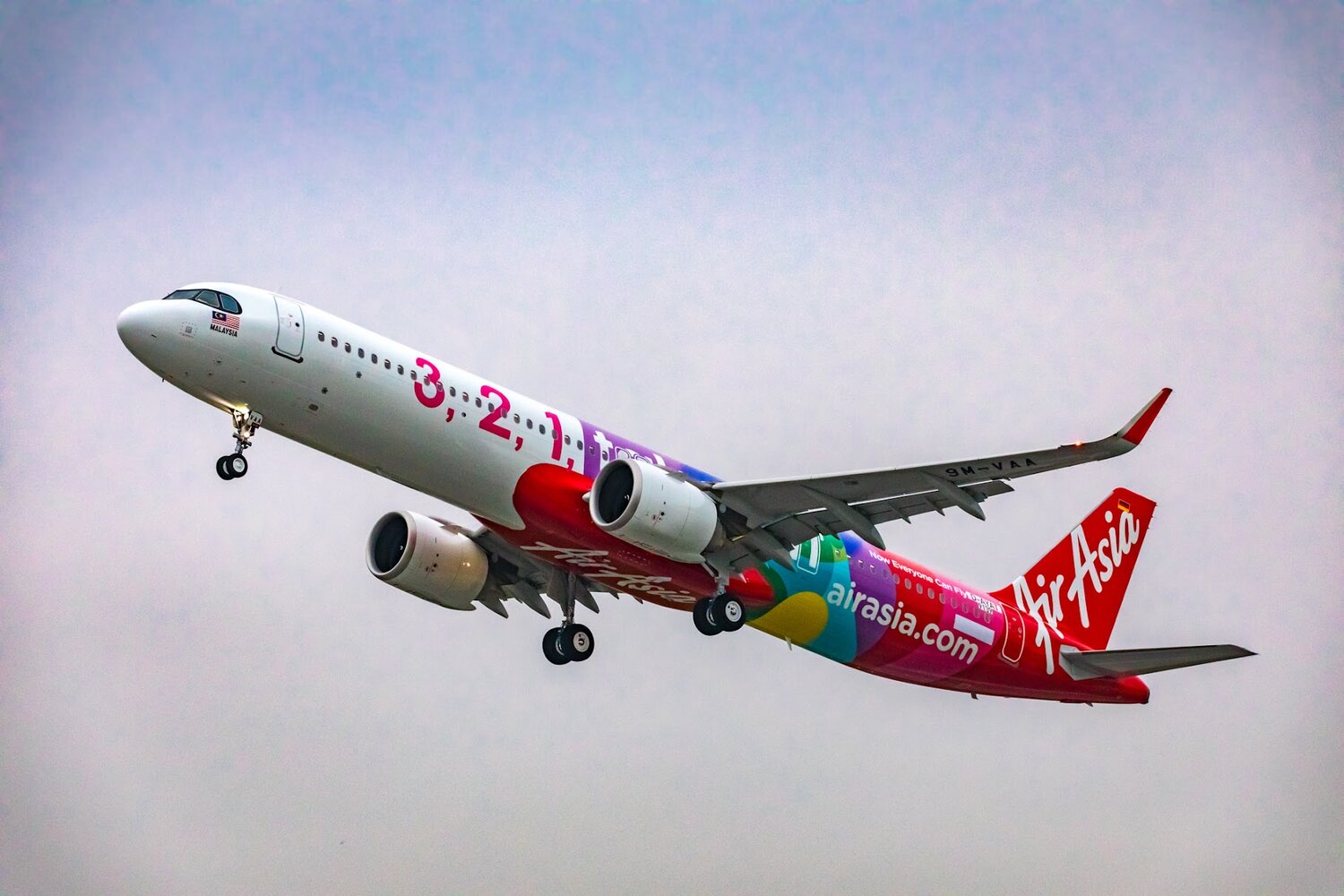
AirAsia, one of the leading low-cost airlines, has announced its continued commitment to its hub in Bahrain, despite the changing circumstances arising from the ongoing conflict in Iran. This announcement comes at a time when the global aviation industry is witnessing a decline in expansion plans, with many airlines reducing their flight numbers or postponing the launch of new services.
Bahrain is considered a strategic point for AirAsia, as the airline seeks to enhance its presence in the Middle East region. However, its commitment depends on how the conflict in Iran evolves and its impact on security conditions in the area. This approach highlights a divergence in airline strategies, with many major companies avoiding the region due to potential risks.
Details of AirAsia's Commitment
AirAsia aims to capitalize on Bahrain's position as a regional aviation hub, facilitating access to new markets. However, the volatile security situation in the region may pose challenges to its operations. While airlines such as British Airways and American Airlines are avoiding flights to the Middle East, AirAsia remains committed to its hub, reflecting its confidence in the Bahraini market.
It is expected that tensions in Iran will affect air traffic in the region, potentially leading to increased operating costs and flight delays. Nevertheless, AirAsia hopes to remain capable of offering its services at competitive prices, making it an attractive option for travelers.
Background & Context
Historically, the aviation industry in the Middle East has experienced significant growth, becoming a major hub for international flights. However, political and security disputes have negatively impacted this growth. The conflict in Iran, which began several months ago, has heightened tensions in the region, prompting many airlines to reassess their strategies.
Bahrain is one of the countries striving to enhance its tourism and aviation sector, with the government working on developing infrastructure and improving services for travelers. AirAsia's commitment in this context is seen as a positive step to support the local economy and boost tourism.
Impact & Consequences
AirAsia anticipates that its commitment to the Bahrain hub will enhance its competitive edge in the market. However, the ongoing conflict in Iran may affect air traffic and increase costs. Companies that avoid the region may miss out on significant market opportunities, while AirAsia could benefit from this situation.
If tensions persist, AirAsia may need to reevaluate its strategies, which could impact its expansion plans in Bahrain. It is crucial for the company to remain flexible and capable of adapting to changing conditions.
Regional Significance
The commitment of AirAsia to its Bahrain hub amid regional tensions is an important step that reflects the company's confidence in the Bahraini market and contributes to supporting the local economy. This move is significant as it demonstrates the airline's willingness to navigate challenges while maintaining its operational presence in a key market.
In conclusion, AirAsia's ongoing commitment to Bahrain highlights its strategic vision and resilience in the face of regional uncertainties, positioning itself as a key player in the Middle Eastern aviation landscape.