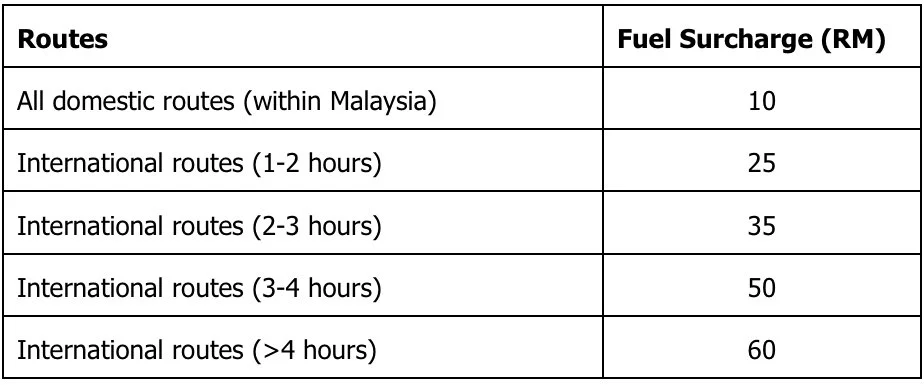
AirAsia X, a leading low-cost airline, has announced a 20% increase in fuel fees in response to the sharp rise in global oil prices. The company clarified that this increase is a direct result of escalating geopolitical tensions between Iran, the United States, and Israel, which have significantly impacted fuel prices in global markets.
During an online press conference, Amanda Woo, the commercial director of AirAsia X, confirmed that the new prices will lead to an increase of between 30% and 40% in average fares compared to previous periods. The report indicated that fuel prices have risen sharply to between 150 and 200 US dollars per barrel, up from below 100 dollars.
Details of the Announcement
This fee increase comes at a time when the aviation sector is under significant pressure due to rising operational costs. Bo Lingam, the CEO of AirAsia X, explained that the company aims to maintain the sustainability of its operations by adjusting prices thoughtfully, including implementing a uniform fuel surcharge across all networks.
She added that the company is working to optimize its flight network by reducing the number of flights and consolidating capacity on certain key routes, which helps address challenges arising from geopolitical disruptions and their effects on supply chains.
Background & Context
Global oil prices have experienced significant fluctuations in recent years, rising sharply due to regional conflicts and political tensions. Since the beginning of 2026, markets have been particularly affected by the ongoing conflict between Iran and the United States, leading to increased fuel demand and unprecedented price hikes.
Historically, the aviation sector has relied heavily on stable fuel prices, but political and economic changes directly impact operational costs, which in turn reflect on ticket prices. In this context, many airlines have taken similar steps to those of AirAsia X, increasing fees to address economic challenges.
Impact & Consequences
The increase in fuel fees directly affects airline ticket prices, which may lead to a decrease in demand for air travel in the near future. This increase could also drive some travelers to seek cheaper alternatives, impacting airline revenues.
Furthermore, this increase may exacerbate economic conditions in some countries, where many citizens rely on air travel for work or tourism. Consequently, the impact of this increase could extend to other sectors such as tourism and hospitality.
Regional Significance
In the Arab region, the aviation sector is a crucial part of the economy, with airlines contributing to the enhancement of tourism and trade. With rising travel costs, the tourism sector may be significantly affected, potentially leading to a decrease in the number of tourists visiting Arab countries.
Additionally, the rise in fuel prices may impact local businesses that rely on air transport, posing new challenges to local economies. Under these circumstances, governments and companies must seek innovative solutions to adapt to these changes.