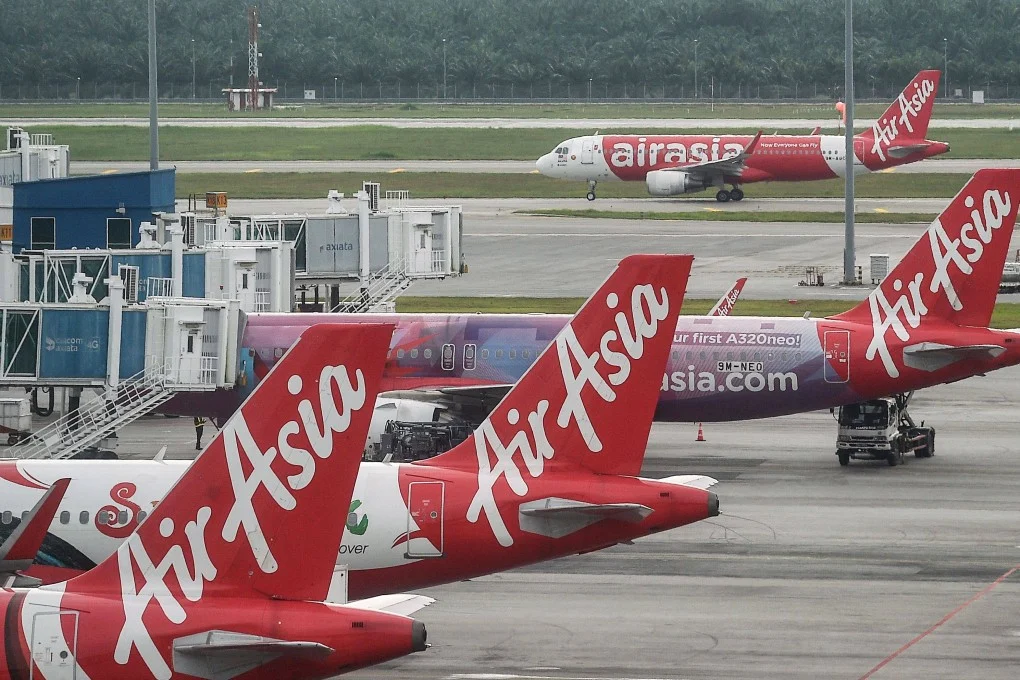
AirAsia X, a leading low-cost airline in Southeast Asia, has announced an increase in ticket prices of up to 40%, along with a 10% reduction in the number of flights. This decision is part of the company's efforts to cope with the impact of the ongoing war in Iran on fuel costs. The Malaysia-based airline confirmed that demand for flights remains robust despite these challenges.
AirAsia X indicated that it has raised fuel surcharges by 20%, resulting in ticket price increases ranging from 31% to 40%. This reflects the mounting pressures faced by the aviation sector due to the sharp rise in fuel prices. Consequently, the number of flights has been reduced, with approximately 10% of total flights canceled so far.
Details of the Price Increase
These measures come at a time when the global aviation sector is facing significant challenges due to soaring fuel prices, influenced by ongoing events in the Middle East. The war in Iran has led to increased instability in oil markets, negatively impacting operational costs for airlines.
Despite this, AirAsia X has confirmed that the demand for air travel remains high, reflecting travelers' willingness to fly despite economic challenges. A company spokesperson noted that this price increase aims to ensure operational sustainability under current conditions.
Background & Context
Historically, airlines have experienced price fluctuations due to political and economic crises. Wars and conflicts in the Middle East often lead to rising oil prices, which in turn affect aviation costs. In recent years, airlines have been impacted by rising fuel costs due to political crises.
AirAsia X is considered one of the leading low-cost airlines and has managed to maintain its market position despite challenges. However, the current situation requires the airline to implement stringent measures to ensure the continuity of its services.
Impact & Consequences
These steps highlight the ongoing challenges faced by airlines amid changing global conditions. Rising fuel costs may lead to an overall increase in ticket prices, potentially affecting travel and tourism in the region. Additionally, the reduction in the number of flights may lead to fewer options available for travelers.
It is important for other airlines to monitor these developments, as they could influence their pricing strategies. There is also a need for new strategies to address these challenges, including improving operational efficiency and reducing costs.
Regional Significance
This price increase underscores the impact of political crises on the aviation sector, affecting both travelers and the economy at large. As airlines navigate these turbulent times, the implications for travel patterns and consumer behavior will be significant.
In conclusion, the situation necessitates a proactive approach from airlines to adapt to the evolving landscape, ensuring they remain competitive while addressing the challenges posed by rising operational costs.