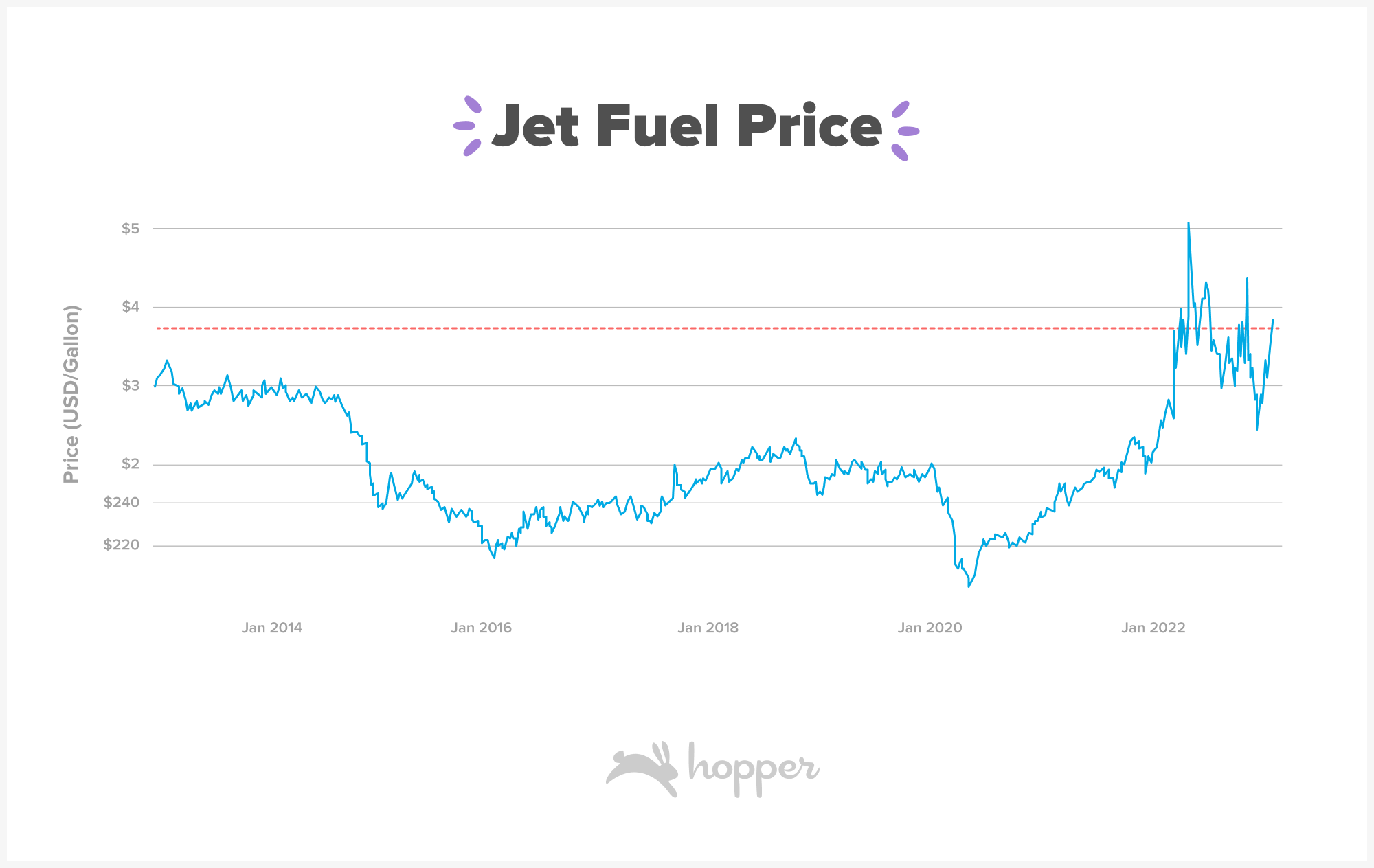
Airline stocks have declined in global financial markets as increasing concerns about rising fuel prices raise questions about the potential impact on future travel demand. Despite these worries, current travel demand remains robust, indicating that consumers are still willing to travel despite economic challenges.
Recently, fuel prices have seen a significant increase, prompting investors to reassess their investments in airlines. This situation has led to a notable drop in stock prices, particularly affecting major airlines. However, travel demand remains at its peak, as many people seek to resume their journeys after long periods of restrictions due to the COVID-19 pandemic.
Details of the Event
Reports indicate that airline stocks have fallen by between 2% and 5% in recent days, reflecting growing anxiety among investors. Some analysts have pointed out that rising fuel prices could lead to increased operating costs, which may negatively impact profit margins. Nevertheless, travel demand remains strong, with recent data showing that bookings are on the rise, suggesting that consumers still prefer to travel despite the challenges.
It is noteworthy that airlines have taken steps to adapt to these conditions, such as raising ticket prices or reducing the number of flights. However, these measures may affect the competitiveness of these companies in the market, raising questions about their future strategies.
Background & Context
The aviation industry has experienced significant fluctuations over the years, heavily influenced by economic crises and pandemics. In recent years, the COVID-19 pandemic has been the most impactful factor, leading to an almost complete halt in travel operations. As recovery begins, airlines have returned to operations but face new challenges related to rising fuel prices.
Historically, fuel prices have represented a large portion of operating costs for airlines. When these prices rise, companies often have to take stringent measures to adapt, which may affect their services and pricing. In past years, we have seen how rising oil prices have led to a significant decline in airline stocks, raising concerns among investors.
Impact & Consequences
If fuel prices continue to rise, we may witness negative effects on the aviation industry as a whole. Companies may be forced to raise ticket prices, which could lead to a decline in travel demand. Should this occur, it could result in decreased revenues, affecting companies' ability to invest in improving services and expanding their fleets.
Moreover, a decline in demand could lead to layoffs and service reductions, impacting the economy at large. At the same time, sustained strong demand for travel may help alleviate some pressures on companies, allowing them to adapt to changing conditions.
Regional Significance
The aviation industry in the Arab region is considered one of the fastest-growing industries in the world. With increasing travel demand, Arab airlines are competing vigorously in the global market. However, rising fuel prices may negatively impact these companies, potentially leading to higher ticket prices and a reduction in the number of flights.
If these trends continue, tourists and visitors choosing to travel to the region may be affected, which could impact the local economy. Therefore, it is crucial for airlines in the region to monitor these developments and be prepared to adapt to any market changes.
In conclusion, travel demand remains strong at present, but airlines must be ready to face future challenges. Rising fuel prices pose a potential threat, but the ability to adapt to changing conditions will be key to success in this industry.