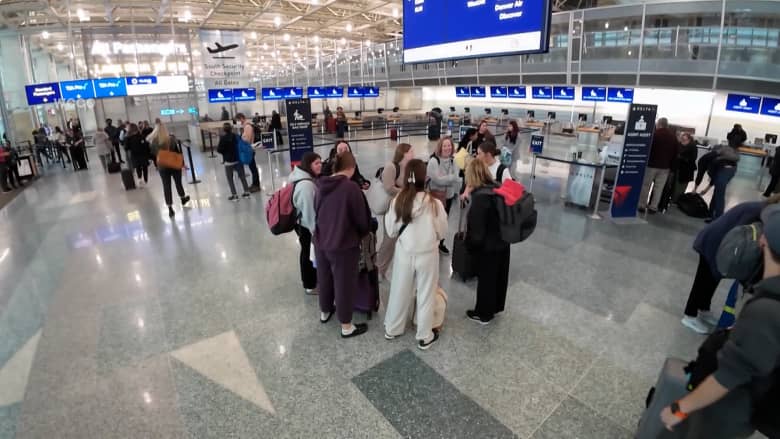
American airlines are struggling with a severe financial crisis caused by the substantial increase in fuel prices, having incurred losses estimated at $400 million since the beginning of the conflict in the Middle East. With inadequate financial systems to protect these companies from fuel price fluctuations, they are compelled to pass most of these costs onto travelers.
The challenges facing the American aviation sector are increasing, with ticket prices expected to rise significantly in the near future. This increase comes at a time when the American economy is under multiple pressures, which could negatively impact travel and tourism.
Details of the Situation
Since the onset of the conflict in the Middle East, fuel prices have seen an unprecedented rise, directly affecting the operating costs for airlines. According to reports, companies have been unable to secure themselves against these increases due to the lack of appropriate financial systems, forcing them to bear the entire burden.
Forecasts indicate that airlines will gradually increase ticket prices, which will affect travelers seeking economical travel options. This rise may also lead to a decrease in the number of flights, as some may choose to postpone their travel or seek alternative options.
Background & Context
Historically, the American aviation sector has experienced significant price fluctuations due to political and economic crises. In recent years, several crises have led to rising fuel prices, impacting ticket prices. With escalating tensions in the Middle East, the current situation appears to be the most severe.
In recent years, many companies have developed strategies to hedge against fuel price fluctuations, but it seems these strategies have not been sufficient to cope with the current crisis. Additionally, the war in the Middle East contributes to increased instability in energy markets, complicating the situation further.
Impact & Consequences
The repercussions of rising fuel prices extend beyond the aviation sector, potentially affecting the American economy as a whole. With increased travel costs, consumer spending in other sectors such as tourism, hotels, and restaurants may decline.
This crisis could also increase pressure on the U.S. government to intervene, either by providing support to airlines or by taking measures to curb rising prices. If this crisis continues, we may witness radical changes in how airlines manage their operations.
Regional Significance
The Arab region is one of the most affected areas by political and economic crises, where events in the Middle East directly impact oil and fuel prices. With rising fuel prices, the costs of goods and services in Arab countries may also be affected, increasing pressure on citizens.
Moreover, the increase in travel costs could impact tourism flows in Arab countries, as many of these nations rely on tourism as a primary source of revenue. Consequently, any rise in travel costs could lead to a decline in tourist numbers, negatively affecting the economy.
In conclusion, the current situation in the American aviation sector illustrates how political crises can impact the global economy. As tensions in the Middle East continue, the question remains: how will airlines and consumers cope with these challenges?