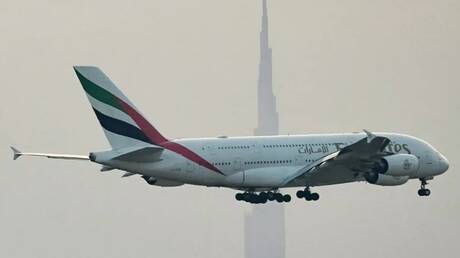
Three major airlines in the UAE announced on Wednesday a decision to prohibit Iranian citizens from entering or traveling through the country. This decision comes at a time when the region is witnessing heightened tensions and conflicts, raising questions about the political and security implications of this measure.
The airlines implementing this decision include Emirates Airlines, Etihad Airways, and Air Arabia. This decision has been justified by the need to maintain national security, given the current circumstances in the region, which are characterized by turmoil and instability.
Details of the Decision
This move follows a series of tense events in the Middle East, where fears are rising over the escalation of armed conflicts, particularly in light of the ongoing disputes in Syria and Yemen. Airline officials have indicated that the decision aims to protect both travelers and employees.
It has also been confirmed that this decision will be implemented immediately, meaning that Iranian citizens will not be able to book travel tickets to the UAE or transit through it. This decision has sparked mixed reactions among political and media circles, with some considering it a necessary step under the current circumstances, while others view it as discrimination against Iranians.
Background & Context
Historically, relations between the UAE and Iran have experienced numerous fluctuations, with periods of cooperation followed by periods of tension. Tensions have intensified in recent years due to regional disputes, including Iranian interference in the internal affairs of Gulf states. Additionally, the economic sanctions imposed on Iran by the United States have contributed to worsening conditions.
The UAE is considered one of the Gulf countries that adopts a strict policy towards Iran, seeking to enhance its national security through preventive measures. There have been increasing calls from some officials in the UAE to tighten border and airport controls, especially in light of rising security threats.
Impact & Consequences
This decision is expected to have significant effects on travel and trade between the UAE and Iran. The UAE has been a major destination for many Iranians, whether for tourism or business. Consequently, this decision may lead to a decrease in the number of Iranian visitors, impacting the local economy.
Furthermore, this decision could exacerbate the already tense relations between the two countries, potentially negatively affecting cooperation in other areas, such as trade and investment. There are also concerns that this decision may escalate tensions in the region, especially given the current circumstances.
Regional Significance
This decision represents part of a broader trend in the region, where fears of escalating conflicts and disputes are increasing. This step may provoke reactions from other countries in the region, potentially exacerbating security situations. Additionally, this decision may have implications for relations between Arab countries and Iran, as other nations may adopt similar policies.
In conclusion, the decision to ban Iranian citizens from entering the UAE reflects the increasing tensions in the region and indicates an urgent need to address security issues comprehensively. It remains to be seen how the situation will evolve in the future and whether this step will lead to further escalation or diplomatic efforts to resolve disputes.