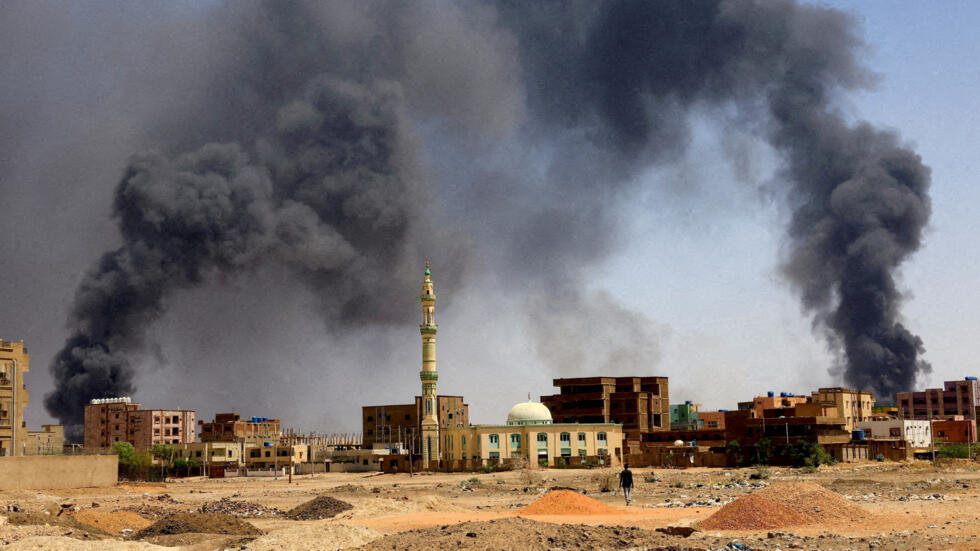
Several members of the Popular Mobilization Forces were injured in an airstrike targeting their positions in Al-Qaim, Anbar province, according to Iraqi sources. The attack occurred before midnight on Thursday, specifically targeting the 31st Brigade, which is considered part of the Popular Mobilization Forces, in the Al-Qaim area near the Iraqi border.
This incident comes at a sensitive time when the region is experiencing increasing tensions, as Al-Qaim is regarded as a strategic area that witnesses repeated military activities. The source of the airstrike has not yet been identified, reflecting the escalating tensions in the region and raising questions about the political and military implications of this attack.
Details of the Incident
According to reports, the airstrike targeted the Popular Mobilization Forces' positions late at night, resulting in injuries to several personnel. No group has claimed responsibility for the attack so far, but it is believed that these operations are part of the ongoing conflict between various armed factions in Iraq.
The Popular Mobilization Forces are considered part of the Iraqi armed forces and were formed to combat ISIS, but their role in Iraqi politics has become more complex in recent years. The attack on Al-Qaim indicates the presence of ongoing threats that may affect the stability of the region.
Background & Context
Historically, the Anbar region has witnessed numerous armed conflicts, being a major center for ISIS activity. After the defeat of the organization, the area has become a stage for new conflicts among various armed factions, including the Popular Mobilization Forces and government forces.
Al-Qaim is considered a strategic point due to its proximity to the Syrian border, making it susceptible to external interventions. This situation complicates the Iraqi government's efforts to achieve stability in the region and adds complexity to the security landscape.
Impact & Consequences
The airstrike on the Popular Mobilization Forces could escalate tensions among armed factions and may ignite a new conflict in the region. Additionally, this bombing could affect relations between Iraq and neighboring countries, especially if there are external interventions.
Concerns are rising that this attack could lead to retaliatory actions by the Popular Mobilization Forces, potentially increasing the cycle of violence in the area. This situation complicates the Iraqi government's efforts to regain control over the security situation.
Regional Significance
The situation in Iraq is part of the larger picture of regional security in the Middle East. The escalation of tensions in Iraq could affect the stability of neighboring countries and heighten fears of violence spilling over into other nations in the region.
Moreover, events in Iraq reflect broader geopolitical conflicts, where regional and international powers compete for influence in the area. This situation underscores the importance of monitoring developments in Iraq and their impact on regional security.
In conclusion, the airstrike on the Popular Mobilization Forces in Al-Qaim highlights the urgent need for comprehensive political and security solutions in Iraq to ensure regional stability and avoid further escalation.