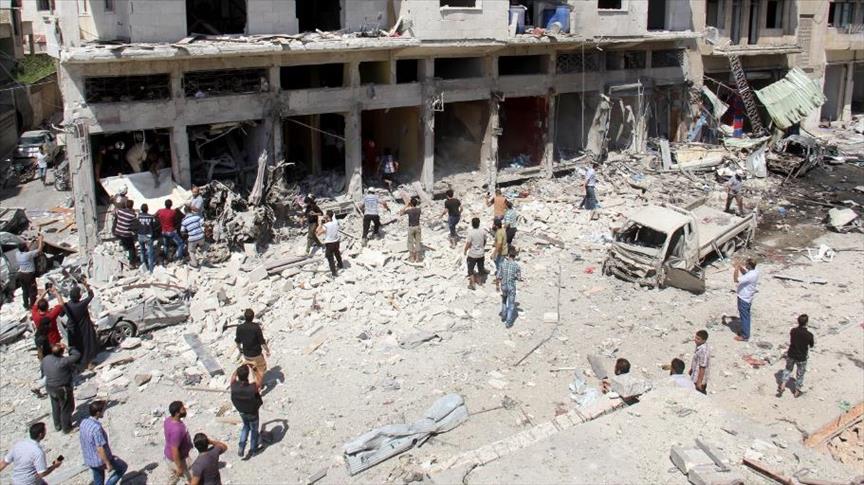
A tragic airstrike in Lagawa, South Sudan, resulted in the deaths of 15 individuals and left 23 others injured, according to official medical sources. The victims were transported to the city hospital, which received 15 bodies, including soldiers and members of the Rapid Support Forces, amid escalating armed conflict in the region.
Reports indicate that the attack targeted three different neighborhoods, exacerbating the deteriorating security situation in South Sudan, which has been suffering from ongoing internal conflicts for years. Sources at Lagawa Hospital confirmed that rescue operations were challenging due to continuous shelling, preventing access to some victims in other parts of the city.
Details of the Incident
Eyewitnesses reported that the shelling occurred in the early morning hours, causing panic among local residents. The reports indicated that the majority of the victims were civilians, identified through their personal documents and some local testimonies. Human rights organizations expressed concern over the rising rates of violence and its impact on the lives of people in these areas.
In a related context, the Rapid Support Forces, which control West Kordofan, stated that the attack was a response to increasing threats from rebel groups in the area, but no credible evidence was provided to support this claim.
Background & Context
South Sudan, which gained independence from Sudan in 2011, has witnessed a series of armed conflicts and clashes between various factions, turning civilian life into an unbearable hell. The struggle for resources, such as oil and water, is one of the main reasons for the ongoing tensions. In recent years, insecurity has led to the displacement of large numbers of people, increasing the need for humanitarian assistance.
Lagawa is among the cities that have seen a rise in military activities due to the ongoing conflict between government forces and rebel groups, making it a target for bombings and airstrikes. These events are part of the ongoing tensions in the region, which often affect the stability of neighboring countries.
Impact & Consequences
Initial reports suggest that the recent shelling will not only worsen the humanitarian situation in Lagawa but will also escalate armed confrontations throughout West Kordofan. This represents a significant warning to the international community about the urgent need to take action to stop the war machine that dominates the country.
The coming period is expected to see an increase in the flow of displaced persons to safer areas, further burdening humanitarian organizations operating in these regions. More importantly, peace efforts will be hampered, and thus, humanitarian conditions will continue to deteriorate unless the concerned parties take serious steps to find peaceful solutions.
Regional Significance
These developments pose numerous challenges for Arab countries, which are striving to enhance regional stability. The ongoing conflicts in South Sudan could spread tensions to neighboring countries, negatively affecting regional security. Additionally, the influx of refugees has become a burden on neighboring nations, such as Sudan and Egypt, which face their own specific challenges.
Moreover, the recent events highlight the urgent need for international efforts to address humanitarian crises in conflict-affected countries and to strengthen peace and reconciliation mechanisms.
In conclusion, cases like the one that occurred in Lagawa require swift action from the international community to ensure that the crisis does not worsen and to avoid further casualties.