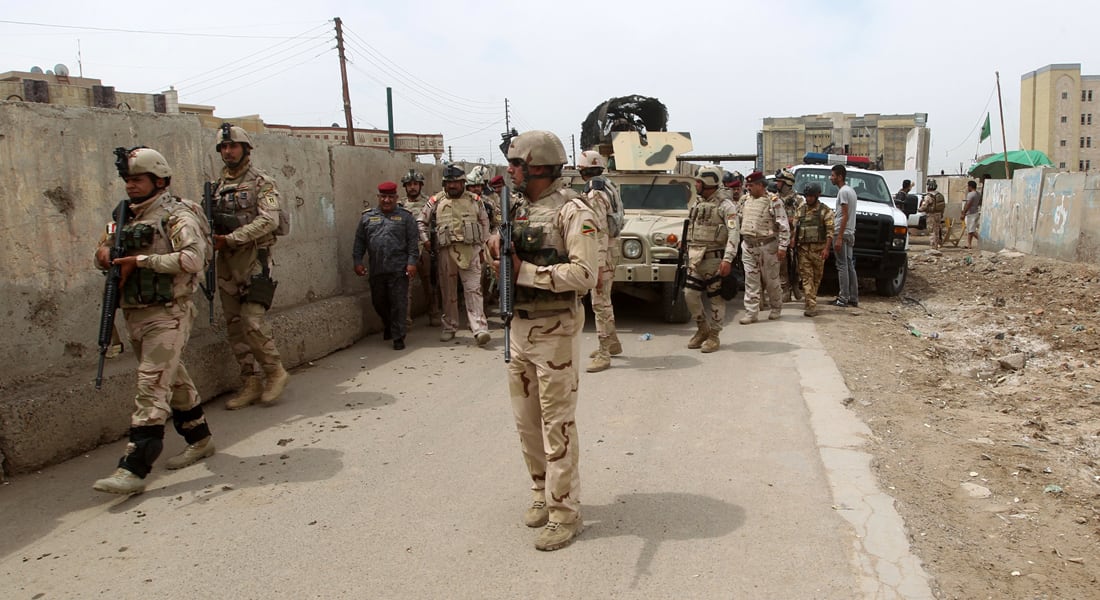
A joint military base housing forces from the Iraqi army and the Popular Mobilization Forces in the Al-Habaniya area of Anbar province was subjected to an airstrike, leading to the deaths of 7 soldiers and injuries to 13 others. The Iraqi Ministry of Defense described the attack as a 'criminal act' and a blatant violation of international laws and norms.
The incident occurred at a sensitive time, as tensions in the region are rising, raising concerns about security and stability in Iraq. The Iraqi government decided to summon the U.S. ambassador in Baghdad to express its condemnation of the attack, reflecting the depth of the diplomatic crisis that may arise from this incident.
Details of the Incident
The airstrike targeted the Al-Habaniya base, which is considered a strategic point for Iraqi forces in combating armed groups. Local sources reported that the identity of the aircraft involved in the attack remains unknown, adding to the ambiguity surrounding the party responsible for this aggression. The Ministry of Defense confirmed that the attack occurred at a time when the forces were preparing to face potential threats from ISIS.
This incident comes amid escalating military operations against ISIS in Iraq, as Iraqi forces strive to regain control over areas still under the organization's influence. The spokesperson for the Ministry of Defense indicated that the attack constitutes a clear breach of international laws and warrants strong reactions from the international community.
Background & Context
Historically, Iraq has witnessed numerous airstrikes targeting its armed forces, particularly in areas suffering from insecurity. Since the withdrawal of U.S. forces in 2011, the Iraqi government has faced significant challenges in maintaining stability, leading to the emergence of multiple armed groups. With the resurgence of ISIS activity, cooperation between the Iraqi army and the Popular Mobilization Forces has become an urgent necessity to confront these threats.
The Anbar region is particularly sensitive, having experienced fierce battles in recent years. Military operations have contributed to diminishing ISIS's influence, but attacks like this reaffirm that the threat remains. The Iraqi government needs to enhance its defensive capabilities and provide support to its armed forces to tackle these challenges.
Impact & Consequences
The recent attack could significantly affect Iraqi-U.S. relations, as the summoning of the ambassador reflects the Iraqi government's dissatisfaction with foreign interventions. This incident may lead to heightened tensions between Iraq and the United States, especially with the presence of U.S. military bases in the country.
Moreover, the attack could negatively impact military operations against ISIS, potentially delaying military plans and increasing the risks faced by Iraqi forces. It is crucial for the Iraqi government to take swift action to address this situation, ensuring the safety of its forces and the stability of the country.
Regional Significance
This incident is part of a series of events that reflect instability in the Arab region. Attacks on armed forces highlight the security challenges faced by Arab nations in combating terrorism. Additionally, rising tensions between Iraq and the United States could affect regional relations, necessitating clear positions from Arab countries regarding these developments.
In conclusion, the current situation in Iraq requires concerted international and local efforts to address security challenges. There must be greater support for Iraqi forces to ensure the country's stability and prevent the recurrence of such attacks.