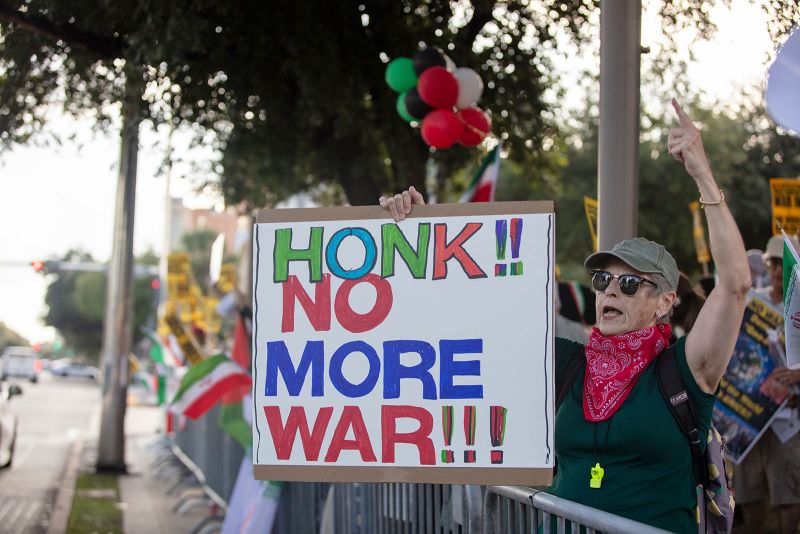
Airstrikes have led to the deaths of over 25 individuals in Iran, coinciding with the imminent expiration of the deadline set by President Donald Trump for reopening the Strait of Hormuz. These strikes occur against a backdrop of escalating tensions between the United States and Iran, raising fears of a larger military confrontation in the region.
The airstrikes targeted military sites belonging to the Iranian Revolutionary Guard, with reports indicating that the strikes were precise and focused on weapon storage facilities and command centers. This military escalation reflects Trump's hardline policy towards Iran, aimed at pressuring Tehran to comply with Washington's demands.
Details of the Incident
According to local sources, the airstrikes targeted several sites in Tehran and Isfahan, resulting in significant damage to military facilities. The Iranian Ministry of Defense confirmed the casualties, noting that the strikes occurred while Iranian forces were preparing for military exercises in the region.
Simultaneously, reports indicated that U.S. warplanes had launched from bases in the Persian Gulf, raising questions about Iran's ability to respond to these attacks. Iranian officials have warned that any escalation could lead to severe consequences for U.S. interests in the region.
Background & Context
These airstrikes come amid heightened tensions between the United States and Iran, which began following Washington's withdrawal from the Iranian nuclear deal in 2018. Since then, the U.S. has imposed stringent economic sanctions on Iran, significantly impacting its economy.
Recent events, including attacks on commercial vessels in the Strait of Hormuz, have further exacerbated tensions. The Strait of Hormuz is one of the world's most critical maritime corridors, through which approximately 20% of global oil passes. Therefore, any escalation in this strait could affect global oil prices.
Impact & Consequences
These airstrikes represent a serious escalation in the conflict between the United States and Iran and may provoke military responses from the Iranian side. If these attacks continue, we may witness a larger military escalation in the region, potentially impacting the stability of Gulf Arab states.
Moreover, these events could affect relations between the United States and its allies in the region, as some countries may find themselves forced to choose between supporting Washington or maintaining their ties with Iran.
Regional Significance
For Arab countries, the rising tensions in the region could lead to increased fears of new conflicts. Additionally, any military escalation could impact oil prices, which may reflect on the economies of oil-producing countries in the Gulf.
In conclusion, the situation in the region requires close monitoring, as any new developments could lead to radical changes in the regional landscape.